Talk to others about your stroke- It could be good for you! And many others in the Stroke Landscape!

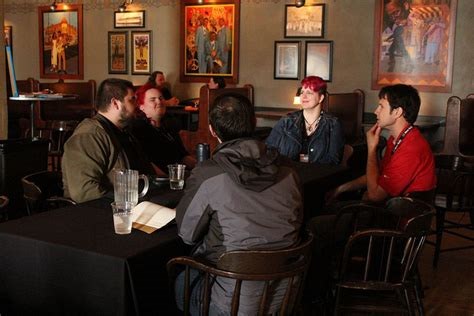
That’s right Thrill Seekers and Fellow Time Travellers, the simple act of talking about your stroke whether to friends, family, a Stroke Support Group or even in a focus group in a research project has its benefits.

This thought crossed my mind recently after talking about this subject with Leitsha Living, a fellow stroke survivor whose book “Finding Yourself After Stroke” which contains stories from other stroke survivors.
Letisha’s literary efforts motivated me to delve deeper into this activity, so I decided to create this epistle.
Why is talking about your stroke beneficial? Allow me to expand on my supposition.

Emotional Release and Healing.
Discussing a traumatic event like a stroke can be deeply therapeutic and provides an opportunity to express complex emotions such as fear, anger, grief, or relief.
Talking about feelings can aid in the emotional recovery process, helping stroke survivors cope with the psychological impact of a stroke, which can be as debilitating as the physical effects.

Support and Connection.
Sharing your stroke story can foster connections with others who have undergone similar experiences. This peer support can be invaluable, providing a sense of community and understanding that can't always be found elsewhere.
Support groups, both in-person and online, often revolve around these shared conversations, offering a space where survivors can feel less isolated in their recovery journey.

Educational Impact.
By talking about your stroke, you are able to educate others on what a stroke entails, from symptoms to recovery. This can raise awareness about the importance of recognizing stroke signs early (like using the FAST campaign - Face, Arms, Speech, Time) and the long-term effects that might not be immediately visible.
This education can lead to better outcomes for others by promoting quicker responses to stroke symptoms.

Advocacy and Awareness.
Personal narratives are powerful advocacy tools. They can highlight the need for better stroke care, rehabilitation services, and research funding.
When stroke survivors talk about their experiences, they contribute to public health campaigns, policy changes, and have a burgeoning role in the co-design of new rehabilitation strategies.

Empowerment.
Publicly or privately discussing your stroke can be an empowering act. It reclaims control over one's narrative, especially when facing the stigma or misconceptions about stroke survivors' capabilities.
It can redefine one's identity post-stroke, showcasing resilience, strength, and adaptability.
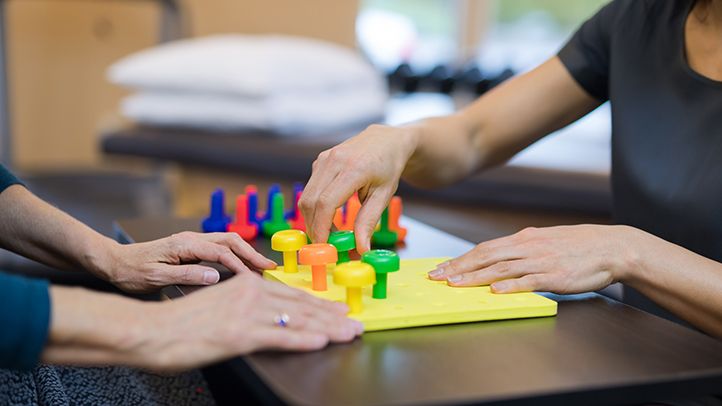
Cognitive and Language Rehabilitation.
For survivors who have stroke affected speech or cognitive functions, talking about the experience can be part of the rehabilitation process.
It encourages the use of language, helping to recover or adapt speech and communication skills and can stimulate brain recovery.
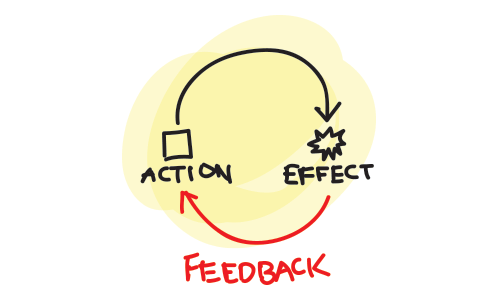
Feedback Loop for Care.
Conversations with healthcare providers, therapists, or family members can provide feedback on recovery progress, adjustments/modifications to rehab plans, or the introduction of new strategies for overcoming daily challenges.
This dialogue can lead to more personalized and effective rehabilitation strategies.
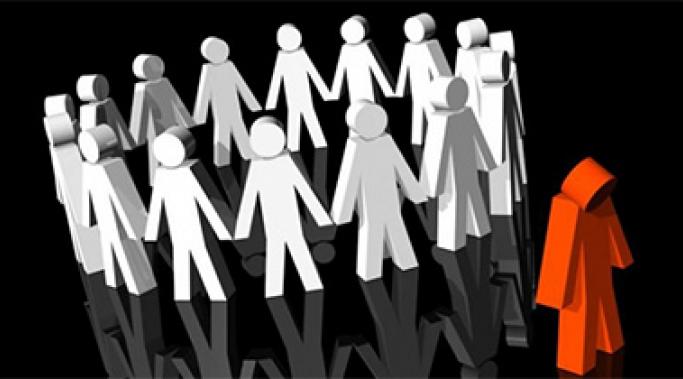
Reducing Stigma.
By openly discussing the realities of living a Post Stroke life survivors can challenge stereotypes and reduce the stigma associated with disability or chronic illness.
This can lead to a more inclusive society where everyone understands that life post-stroke can still be rich and fulfilling.

Inspiration and Hope.
Finally, talking about your stroke can inspire others. It offers hope to those newly affected by stroke or their families, showing that life can be rebuilt and enjoyed even after such a profound health event.

My Thought For These Times.
My Key Message.
In essence, talking about your stroke is not just about personal healing but also about educating, connecting, advocating, and inspiring.
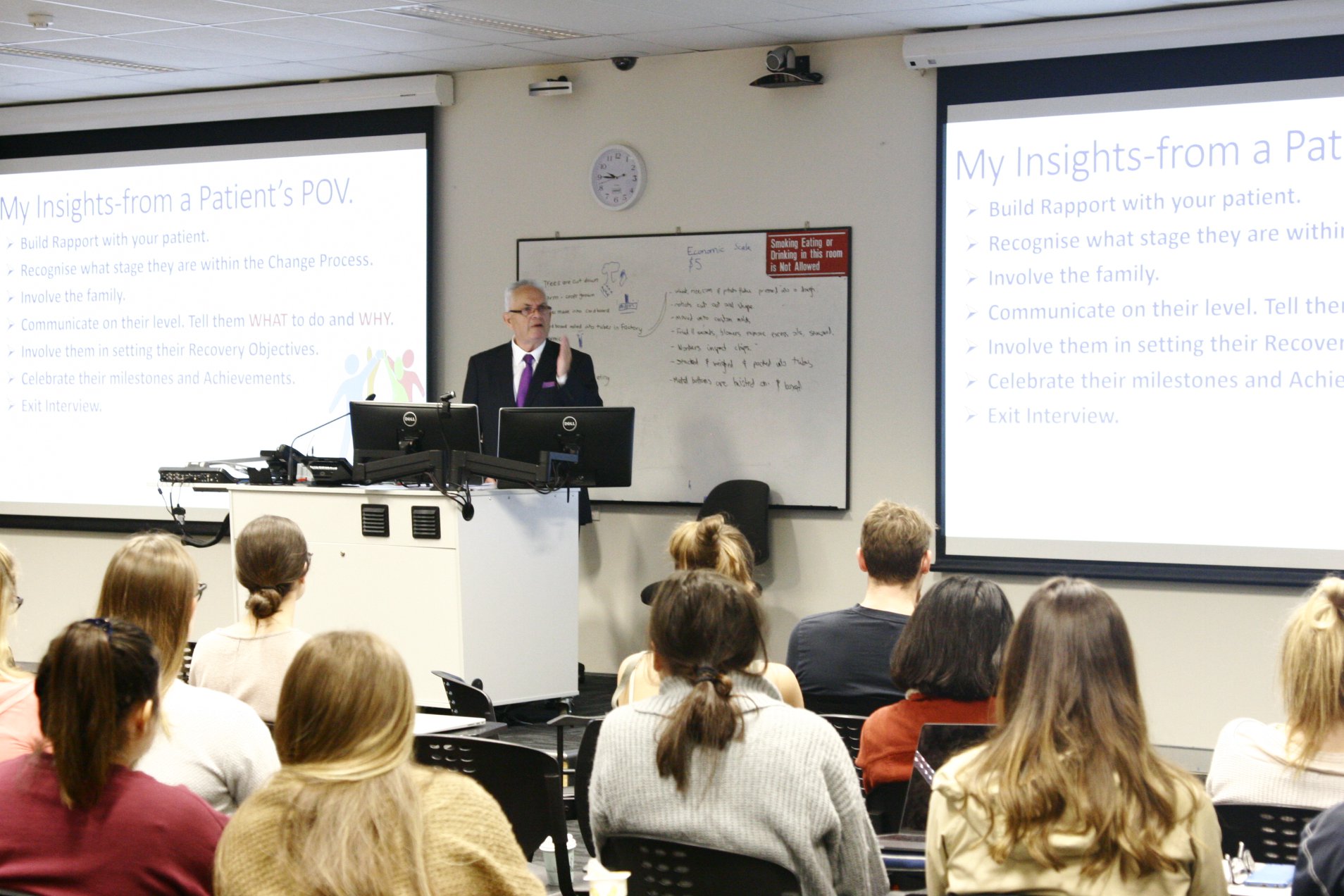
Brian A Beh, Stroke Survivor, Advocate, Investigator and Talker