The days that followed (part 2 of my stroke journey)

Post #2 from my stroke journey:
Some of you might be asking yourself “so how do you recover after a stroke?”. There’s no cure, there’s no magic pill. It’s a heck of a lot of hard work! Here’s a brief summary:
In the hospital:
I had a physiotherapist teach me to walk again using a rolling walking frame. My right leg dragged every step, but with perseverance I walked without a walking frame after about a week. I could only manage short distances, and I’ve never really regained my previous stamina.
I was assessed by a speech therapist and an occupational therapist and referred to outpatient treatment when I left. The OT also talked to my family about modifications that would need to be made at home. How many steps were there? How was the bathroom set up? It was agreed that I needed an over-toilet seat and a chair for the shower. The five steps at the front of the house were within acceptable limits.
What life was like once I got home:
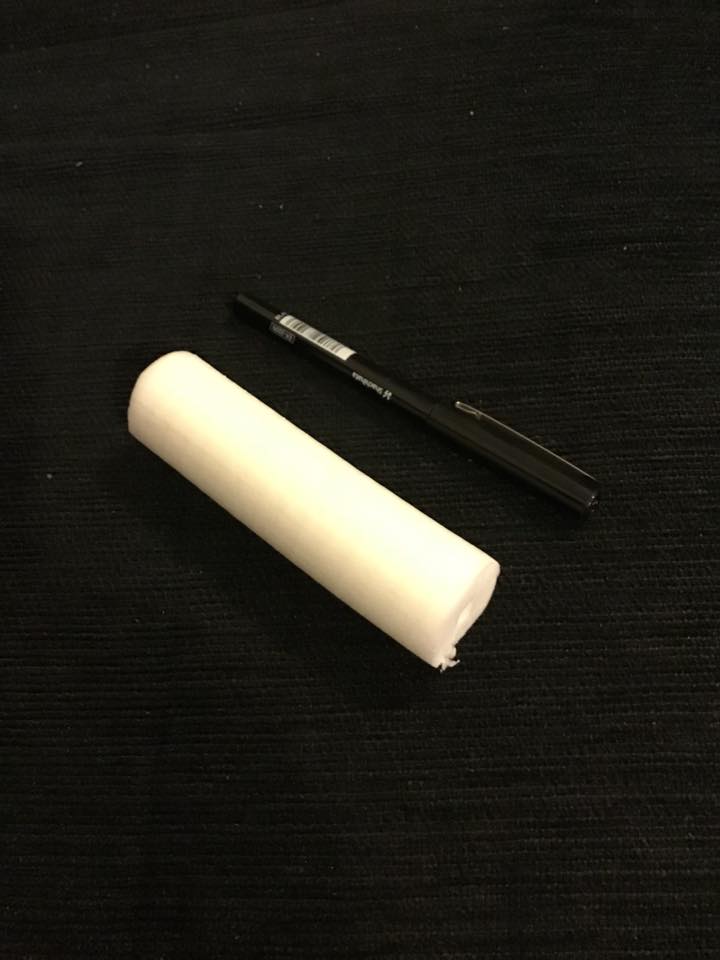
My husband leaves early for work. So my hero Dad would arrive at 5.15am so I wasn’t alone in the house. He made me tea, woke me up, cooked porridge and ate breakfast with me, my foam roller wrapped around the spoon so I could grip it. Another hero, Mum, arrived at 7.30am with Dad’s lunch and off to work he’d go.
The next chore was showering, sitting on a plastic chair Mum helped me wash my extremely long hair (sadly, I had to cut it all off two weeks after my stroke because I couldn’t do my own hair). Then it was commence therapy!
My Mum drove me to physio at Springwood hospital, OT at Nepean hospital, speech therapy at Katoomba hospital, hydro therapy in Penrith, heartmoves exercise program in Springwood. She sat with me and did speech exercises to develop my vocabulary again, did my physio exercises with me, helped and encouraged me with every aspect of my therapy. She fought to get me extra help, organised a psychologist, dealt with the business end of my stroke.
Mum also drove me to see doctors and specialists, sat in on the appointments so she could explain to the doctors and me what I couldn’t express or understand (like a translator) and to visit friends and family. She helped me make lunch, had dinner started so when my husband got home at 6 he could finish off and we could have dinner.
After months of intensive therapy, I was ‘almost’ okay. I learned to do most things unaided, I was walking better, speaking ok, forgetting less. My “24/7 Crew” could ease back and I was able to be left alone for some of the day.
Every day is still a challenge. So much time and energy is spent on tasks that come naturally to most people. (This post has already taken nearly an hour to write, for example). Words get lost between my brain and my mouth, and sometimes the wrong words get spoken (aphasia), brain fog rolls in and makes everything impossible, fatigue still stalks me most days. I get overwhelmed, stressed, anxious, upset and frustrated.
I’m one of the lucky ones though. You can’t see that I’ve had a stroke. Other people can’t walk again, can’t use their limbs, can’t speak. I can. And that’s why I #doitforstroke
(Still have my foam roll...)