Introducing the Stroke Research Trinity…Stroke Researchers + Stroke Survivors + Stroke Research - Lived experience.....Introducing the Stroke Research Trinity…

This blog began simply. I set out to write one piece — What Makes a Good Environment for Stroke Survivors Involved in Research — a survivor’s view of what makes research setting safe, respectful, and workable. A place where people like me can contribute without feeling exposed, diminished, or sidelined.
Then came the second piece, this time from the researcher’s side — How Researchers Can Assist in Creating the Right Environment for Collaborating With Stroke Survivors. What they must build. What they must protect. What they must understand if they want survivor involvement to be genuine rather than symbolic.
Once both were written, it became clear that these were not separate conversations. They are two halves of the same truth. I have therefore brought them together — one integrated piece that reflects the shared ground between survivors and researchers.
To complete the trilogy, I added a third element: the facilitator — The Benefits of a Good Facilitator in Running Focus Groups. The person who holds the room, shapes the tone, and ensures that the exchange between both groups remains honest, safe, and productive. Without that role done well, the entire process falters.
Together, these three perspectives form what I call the Stroke Research Trinity. Each depends on the others. Each shapes the quality, integrity, and usefulness of the research.
In my pre‑stroke life, I spent decades in consumer research — moderating, analysing, and project‑managing scores of focus groups, major attitudinal studies, and long‑term tracking programs. These three blogs draw directly from that professional expertise, combined with my lived experience as a stroke survivor.
I trust that this trilogy may be of value to you — whether you are a researcher, a clinician, or a survivor seeking to better understand the landscape
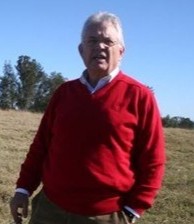
Brian A. Beh- A Stroke Survivor and Researcher.