Check out the long and short of Clive's Rehab Routines on Move Well on I-REBOUND

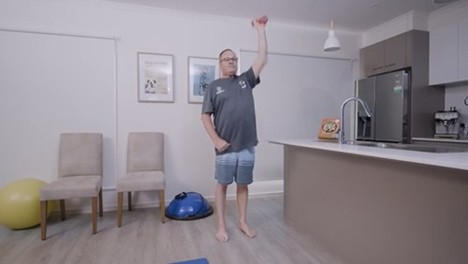
And see Paul’s work out, Brooke’s short exercise routine and Bev’s seated workout.
Thrill seekers and fellow time travelers, strokes unexpectedly enter our lives, linger briefly, and leave behind challenges that demand long-term, customized rehab routines.These routines can be straightforward, some needing space or equipment.
In my blog, you will see how these routines can be performed in the survivor's home, living room, backyard, or even a local park, instead of a rehab gym.
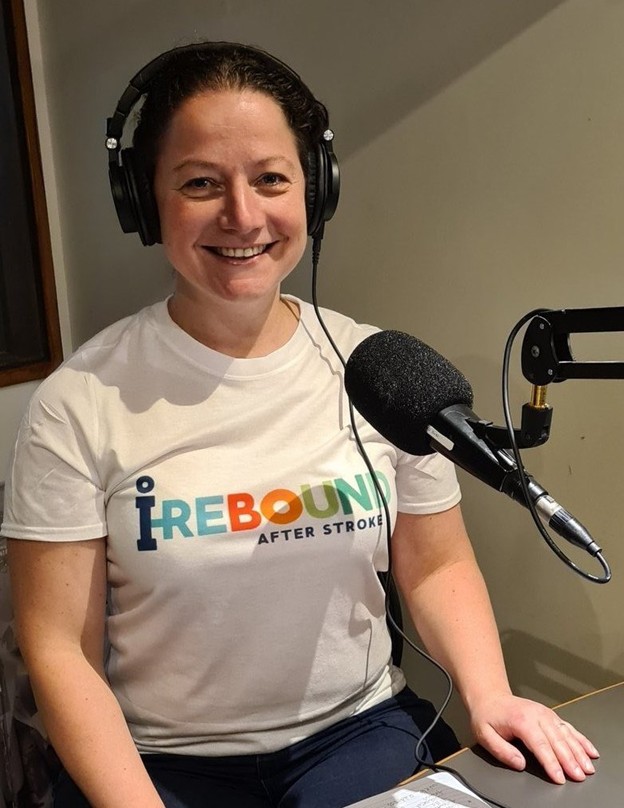
But firstly, please meet a key player in the creation and development of I-REBOUND.
Ms. Dina Pogrebnoy, PhD Candidate, School of Health Sciences, Uni of Newcastle.
A digital posey for Dina in appreciation of her exceptional stewardship in the I-REBOUND Project, especially for managing and organizing a group of "bolshy, opinionated, committed" stroke survivors who co-designed the initiative.
Stroke survivors are truly resourceful, and with the expertise, empathy, and support of Ms. Dina Pogrebnoy, PhD Candidate at the School of Health Sciences, this group of Stroke Survivors on I-REBOUND eagerly embraced these rehab challenges.
Before meeting them, let’s hear Professor Coralie English, University of Newcastle and Emily Ramage, Neurological Physiotherapist and Researcher. University of Newcastle as they outline the objectives of Move Well.
And Now, Thrill Seekers and Fellow Time Travellers...on with the show.........
Paul [our boxing star], the amazing Brooke, Clever Clive and the beautiful Bev have developed [in many cases with Dina’s help] a range of Rehab routines that are suitable for stroke survivors in these types of situations.
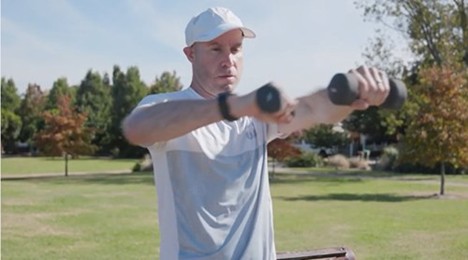
Paul's routine includes exercises in sitting and standing. And is suitable for people who can stand independently and have good balance when moving.
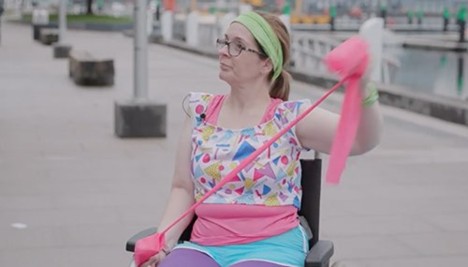
Short exercise routine with Brooke
Brooke's routine includes exercises in sitting and lying down and is suitable for people with good sitting balance and able to get on/off a bench or bed.
Clive's routine includes exercises in sitting and standing and is suitable for people with stroke affected arm or leg; for people who can stand and go up/down steps independently.
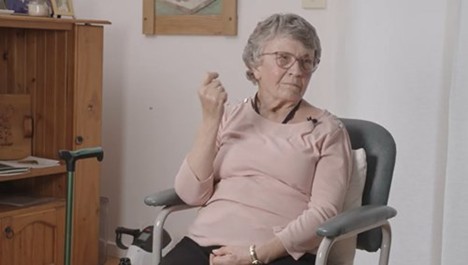
Bev's routine includes exercises in sitting and is suitable for people who cannot stand.
Always speak with your doctor before starting a new exercise program. Your doctor can give you advice and refer to a physiotherapist if needed.
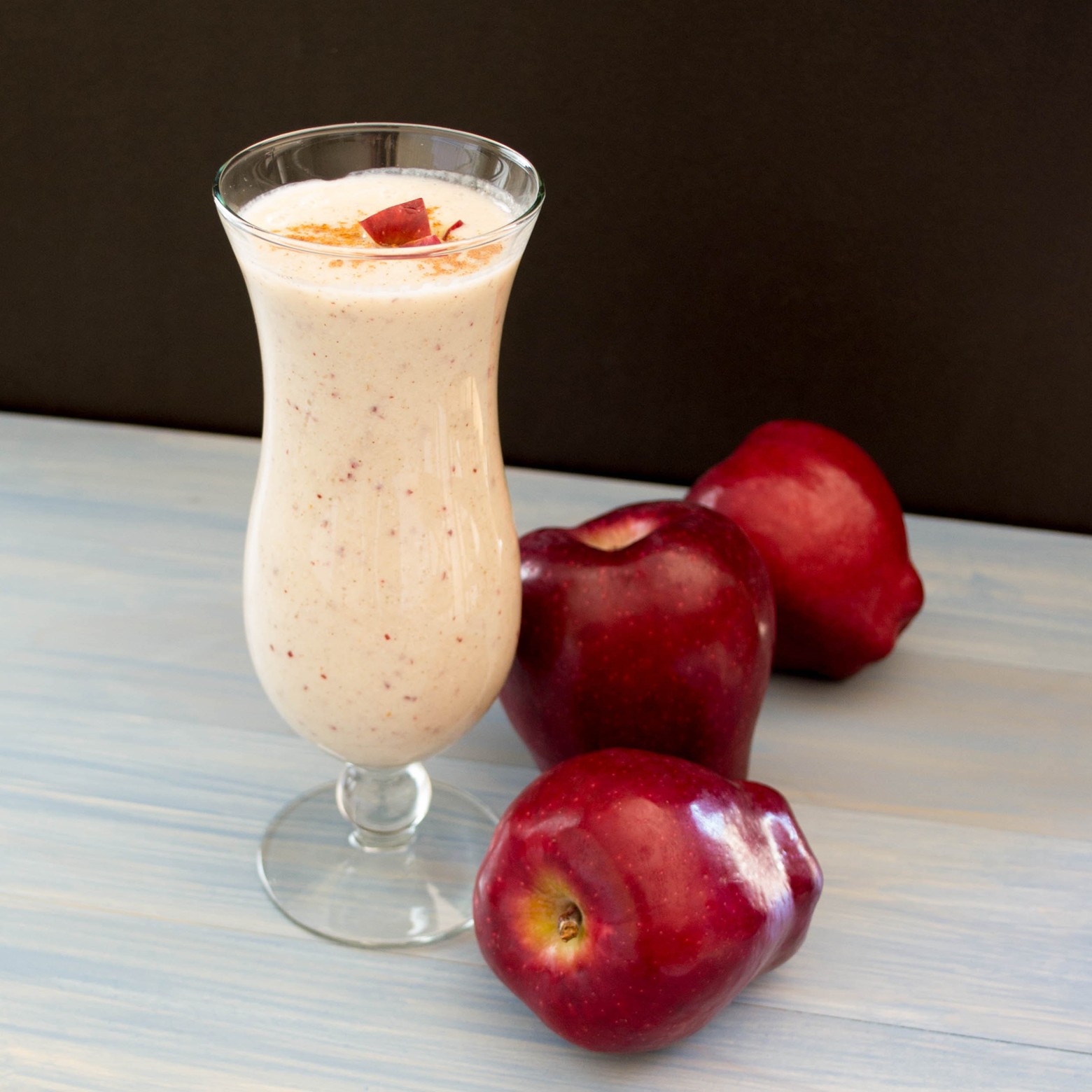
And after that exercise perhaps a Karly created Smoothie would hit the spot.
The i-REBOUND website has been developed by the Stroke Foundation and the University of Newcastle and co-designed with Stroke Survivors. It has been designed to reduce the risk of subsequent strokes by providing resources for eating well and moving more.
Professor Coralie English. University of Newcastle, who provided sage and strategic leadership to the I-REBOUND Project explains the objectives of this truly unique initiative.
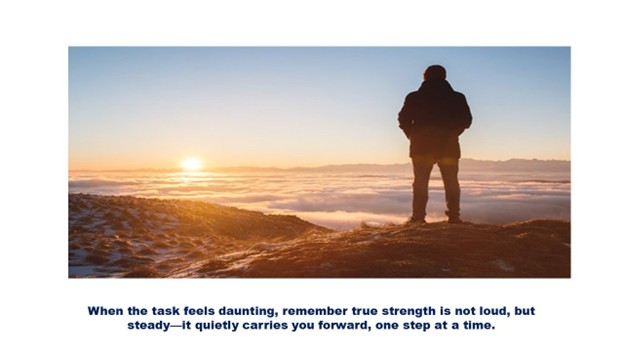
My Thought for Today.
My Key Messages.
Stroke Clinicians - These are further examples of how I-REBOUND can assist your Stroke Survivor when you are not present.
Stroke Survivors/Carers - Help is now at hand. You are not alone. These routines can help you in your daily life.
REMEMBER
Always speak with your doctor before starting a new exercise program. Your doctor can give you advice and refer to a physiotherapist if needed.
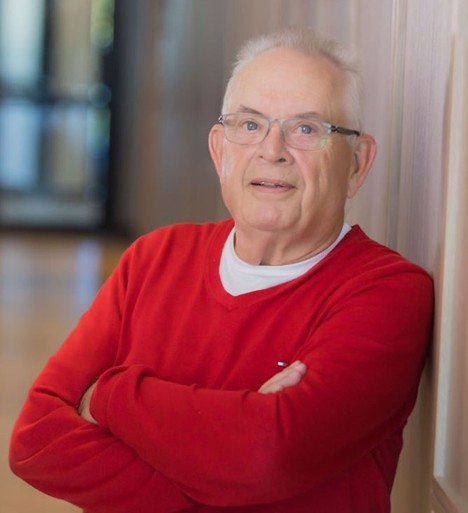
Brian A Beh - A Stroke Survivor.