The Perpetual Nature of Stroke Rehabilitation

Stroke rehabilitation is often described as a “journey,” but that word is too soft, too temporary, too easily wrapped up with a neat ending.
The truth — the one survivor discovers only after the hospital lights fade — is that rehabilitation is perpetual. It is not a phase. It is not a chapter. It is the architecture of life that follows.

My approach to Stroke Rehabilitation is simple and well documented: it never ends. I treat recovery as a daily discipline, not a phase. The routines I follow are not optional or inspirational — they are the structure that protects my independence. I show up every day because stopping means losing ground, and I refuse to surrender what I have fought to regain.
In my blog I share my beliefs and reasons I do what I do.

Rehabilitation Does not End; It Changes Shape.
In the early months post Stroke, rehab is obvious: therapists, gyms, routines, measurable gains. But when the inpatient program ends, the work does not. It simply shifts from structured sessions to the quiet discipline of daily life.
The world may expect closure. We Stroke Survivors know better.
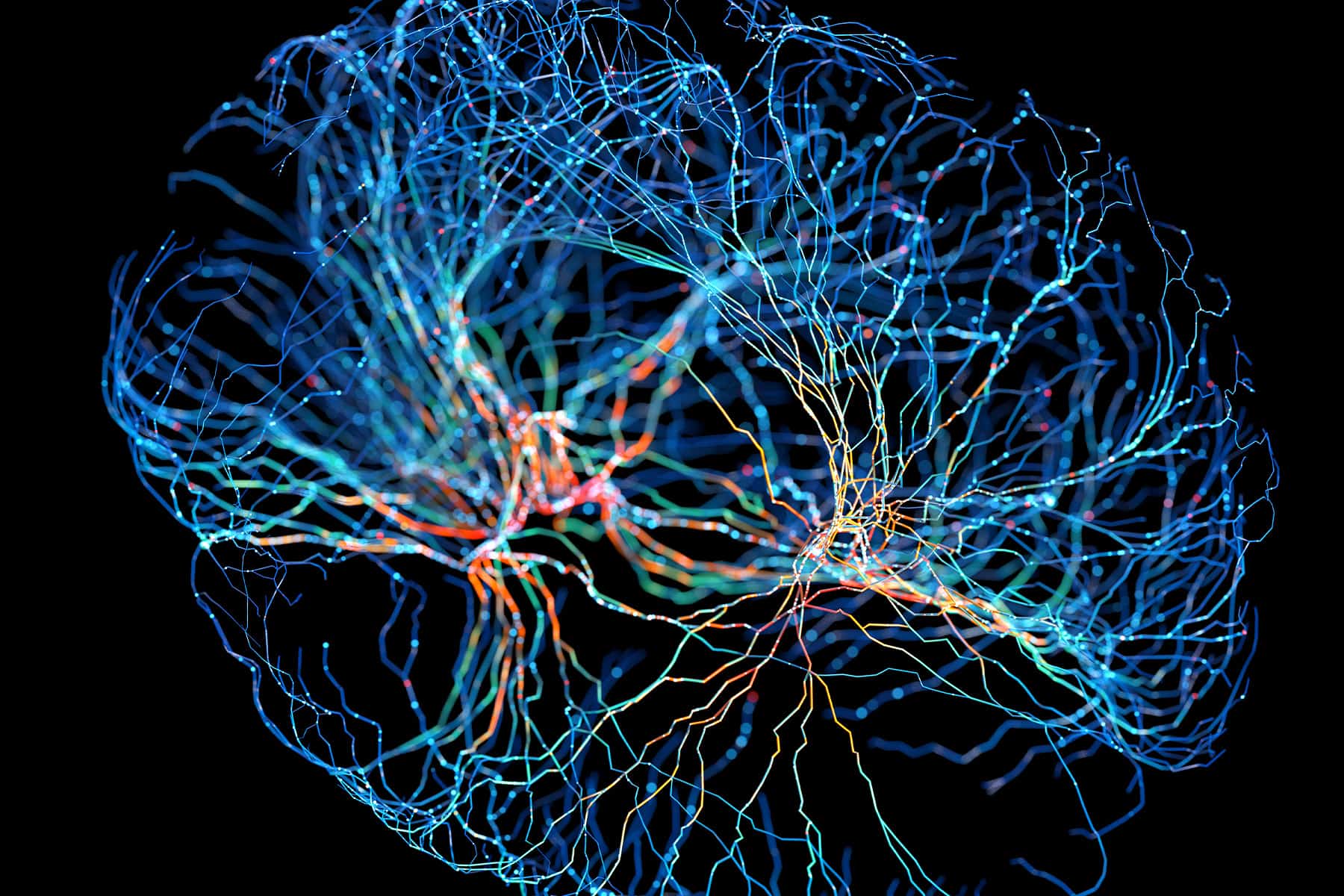
The brain continues to adapt, rewire, and respond for years — but only if invited. Neuroplasticity is not a miracle; it is a negotiation. It rewards persistence and punishes neglect.
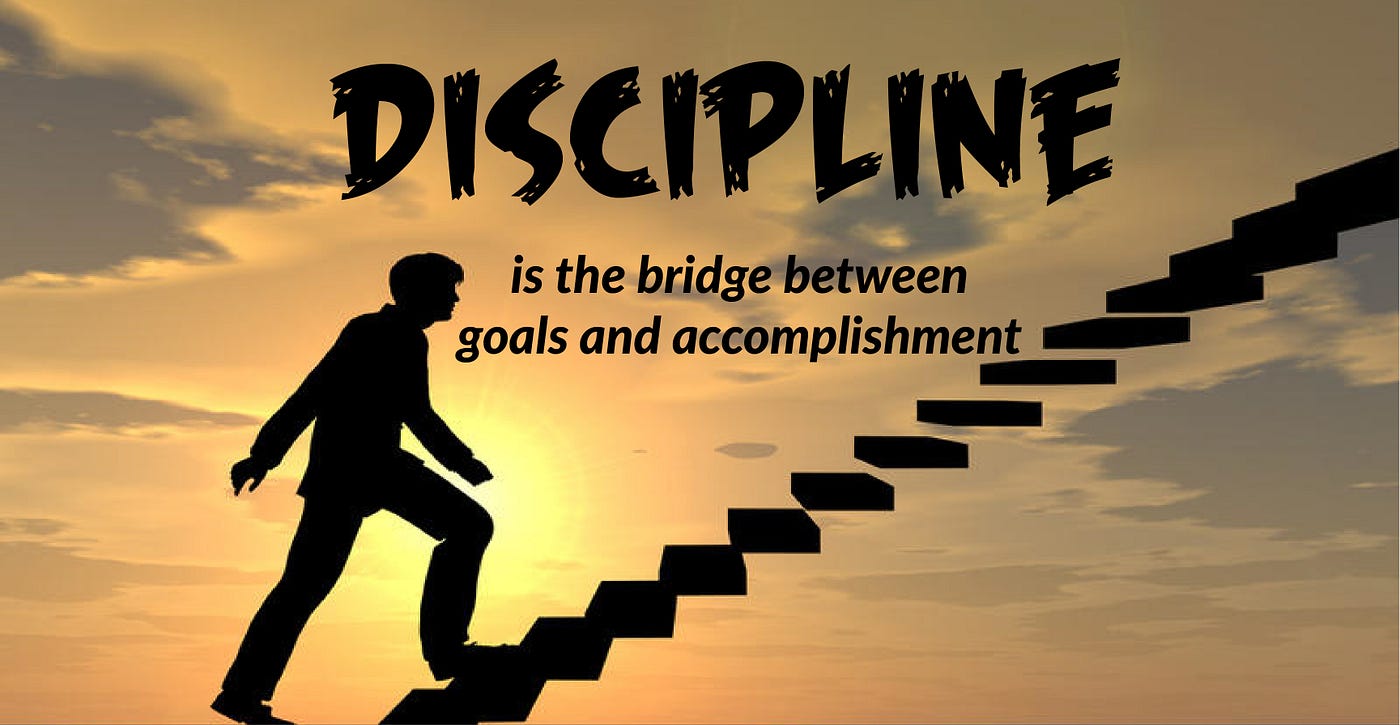
Discipline Outlives Motivation
Motivation is a spark. Discipline is the engine. Anyone can be motivated for a week.Only discipline sustains a decade.

Perpetual rehabilitation is built on repetition — the kind that becomes identity. Walking, stepping, stretching, balancing, reaching, bending. These are not tasks; they are the scaffolding that holds the survivor upright. They are the quiet rituals that keep decline at bay and possibility alive.
The idea of “plateauing” is a convenient fiction — useful for systems, not for We Stroke Survivors. I REFUSE to accept this term in the Stroke Lexicon.
Progress slows, yes. But it does not stop. The body continues to respond to what it is asked to do. The survivor who keeps moving keeps improving, inch by inch, year by year.
Perpetual rehab is not about chasing dramatic gains. It is about refusing to surrender the ground already won.
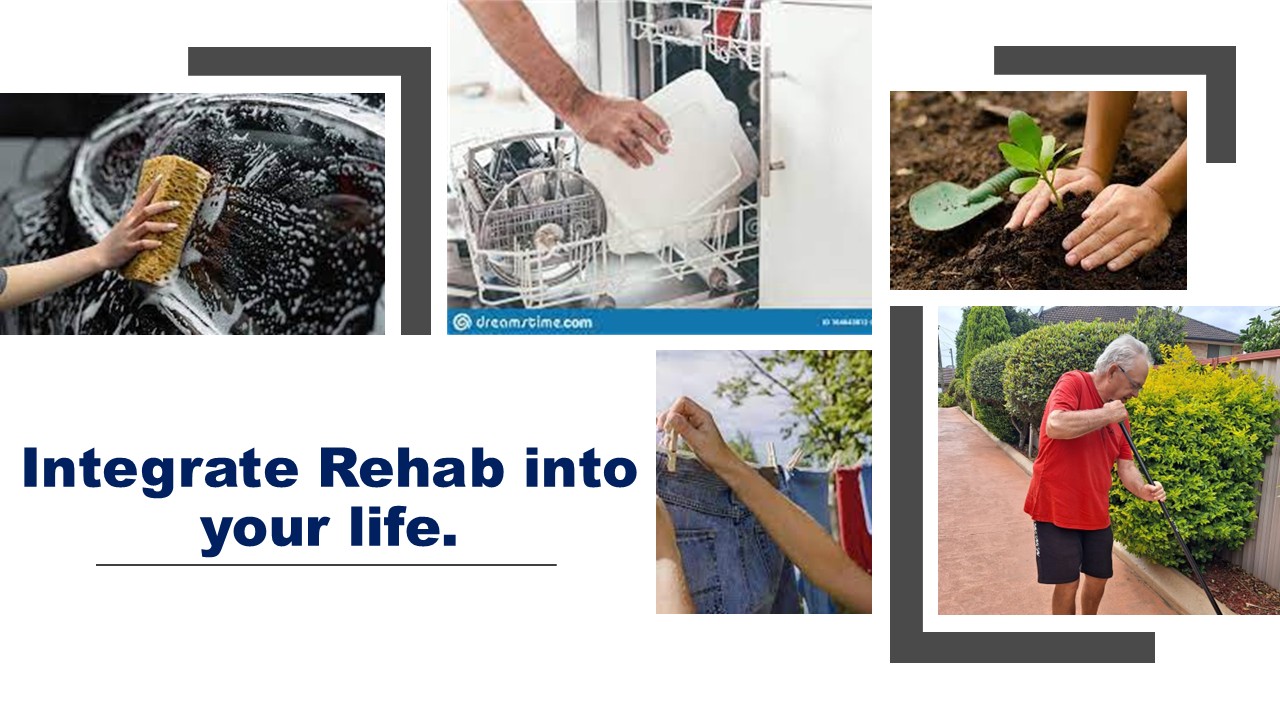
Everyday Life Becomes the Gym.
The perpetual nature of rehab is not heroic. It is practical.It lives in the ordinary -The long walk that steadies the gait; The steps that keep the legs honest; The household tasks that demand balance and reach; The routines that anchor the day and the self.These are not chores. They are training. They are the survivor’s contract with their own future.
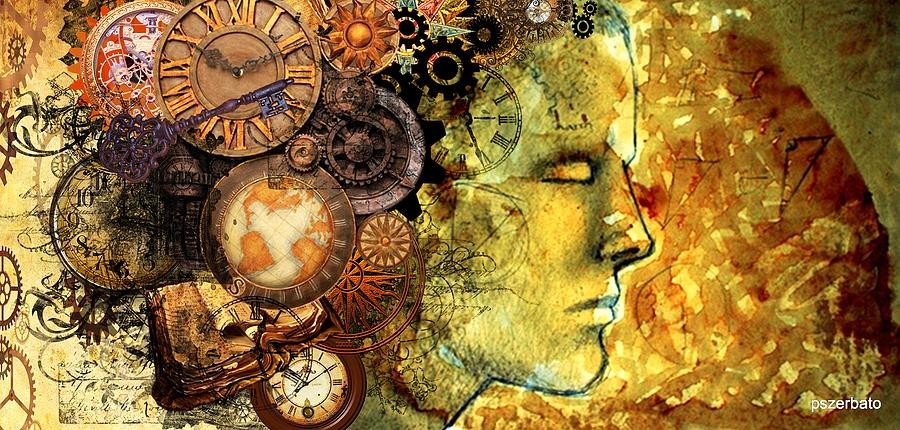
A Philosophy, not a Program
To live in perpetual rehabilitation is to accept that recovery is not something you finish. It is something you inhabit. It becomes a philosophy — a way of living that blends discipline with acceptance, effort with patience, ambition with realism.
It is not a punishment. It is a form of stewardship: of the body, the mind, and the life reclaimed.

The Quiet Triumph.
There is a quiet triumph in this perpetual work.Not the loud, cinematic kind, but the steady, enduring kind that accumulates over years. The triumph of showing up. The triumph of refusing to drift backwards.
The triumph of living with intention long after others have stopped paying attention.
Perpetual rehabilitation is not a sentence. It is a commitment — to strength, to dignity, to possibility.
It is the survivor’s way of saying - I am still here, and I am still moving.
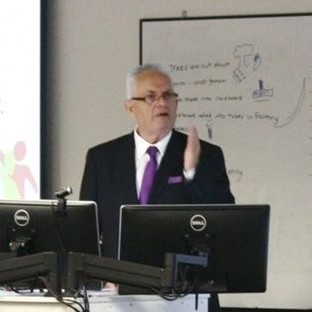
Brian A. Beh- Stroke Survivor and Philosopher.