How to Avoid Plateauing in Stroke Rehabilitation


My Strategies for Sustained Progress and Recovery.

As I recently celebrated the 9th anniversary of my inpatient discharge following my stroke, I have spent time reviewing my rehab journey and where I am today in terms of a post stroke Brian.
Stroke rehabilitation is often described as a journey, one that seldom follows a straight path \{My Long and Winding Road\}
Like many stroke survivors, I experienced significant progress early on, only to encounter a slowdown in my improvement after about a year.
This led me to becoming aware of the concept "plateauing", a term that materialized for me in the words,to a stroke survivor "That's about as good as it will get for you."
These were the exact words spoken to a fellow stroke survivor \{RIP Stewart \} who shared a hospital ward with me in 2016
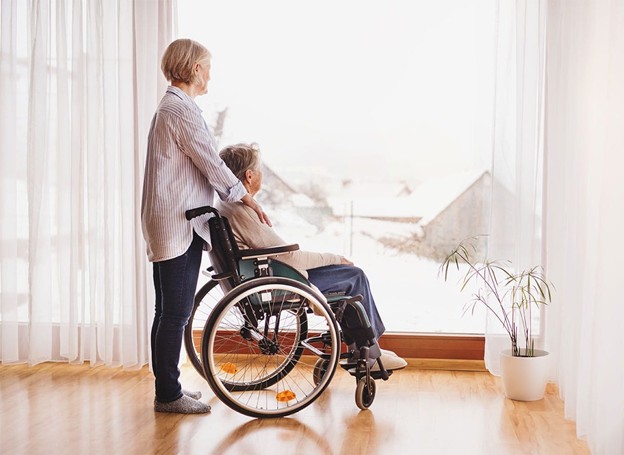
My blog “A Stroke Survivor’s Guide to Plateauing" details my thoughts and experience on this term.
While plateauing is a natural part of the rehab process, as confirmed by stroke clinicians, there are strategies and mindsets that can help avoid stagnation and continue moving towards meaningful goals in a survivor’s post-stroke life.
I am not a health professional but rather an engaged and informed stroke survivor with a background in human behaviour and change management. I offer my opinions and advice from this perspective.

Embrace Neuroplasticity
The adult brain is capable of remarkable change and adaptation—a phenomenon known as neuroplasticity. Rehabilitation is most effective when exercises are varied and challenging, promoting the rewiring of neural networks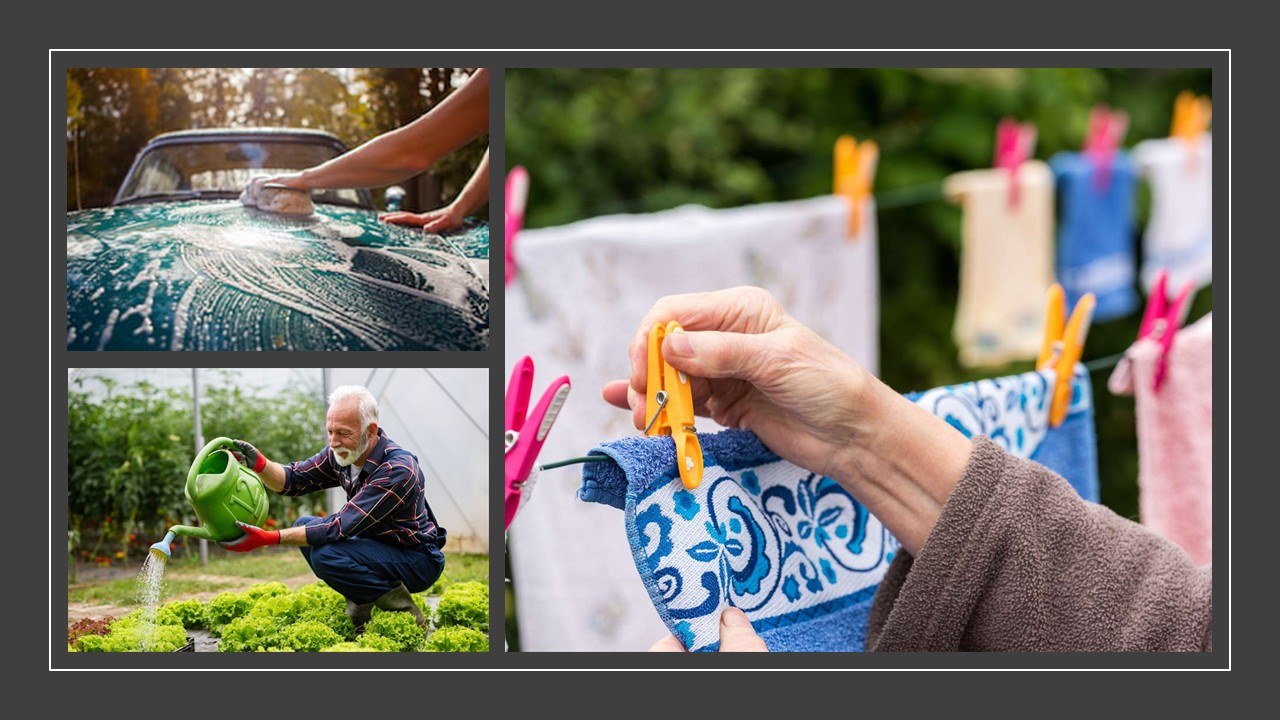
Try new exercises and activities that target the same skills in different ways; gradually increase the difficulty or complexity of tasks as skills improve; Incorporate everyday activities, such as cooking or gardening, to make therapy functional and motivating.
Understanding the Plateau Phenomenon.
A plateau in stroke rehabilitation refers to a period when noticeable improvement seems to slow down or stop altogether, despite ongoing therapy, but that plateauing does not mean recovery is complete or that further progress is impossible.
For me, it signalled the need for me to consider a change in rehab routine or expectations, which I outline in the following.
Stay motivated!
Studies show that high motivation is a predictor of good therapy results. Focus on small wins. Remember, it is normal for progress to fluctuate! Stay patient and celebrate how far you’ve come.
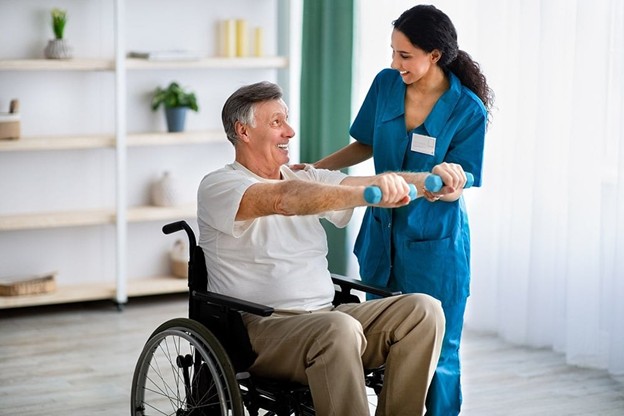
Make training a priority, or better yet, a habit!
You may have heard the quote “motivation is what gets you started; habit is what keeps you going.” To create a habit, we recommend.......
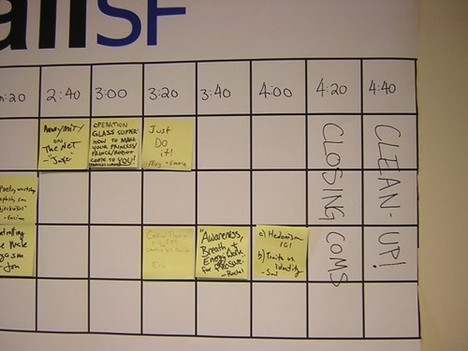
Stick to a regular schedule.
Consistency is key when establishing a habit. If possible, try training at the same time and place each day.

Enlist support of family or friends.
Loved ones can help keep you motivated and accountable for your goals. Spending time with people whose habits you admire can have a positive impact as well.

Set reasonable, realistic, and measurable goals.
Change doesn’t happen overnight, but progress is progress, no matter how small. Maybe you can walk a few more steps today than yesterday or walk across the room one second faster than last week. Even if the changes are small, they are worth noting and celebrating!

Consider participating in a clinical research trial.
Researchers and clinicians are constantly working to improve the rehabilitation process after a stroke. Participation in these trials may give you access to ground-breaking technologies or improved rehabilitation techniques.
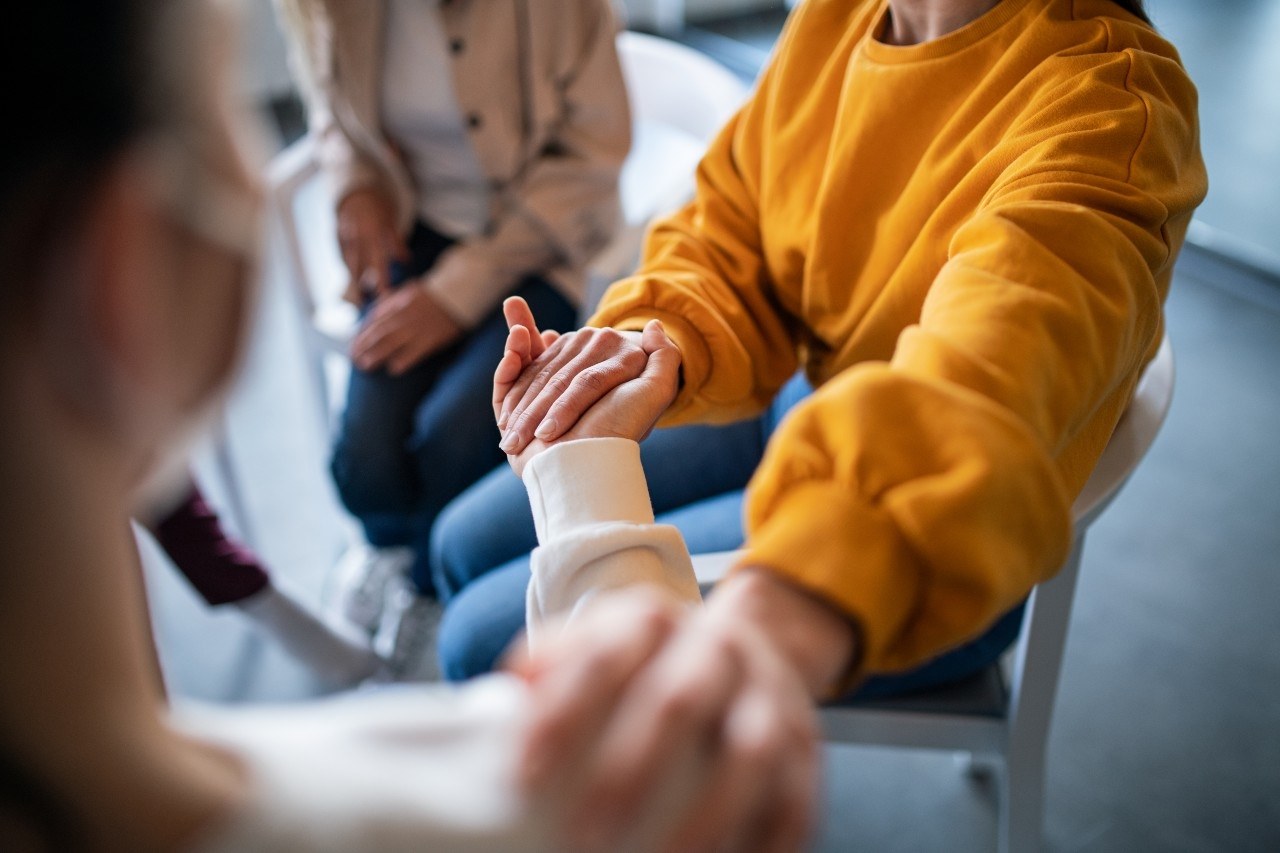
Join a Stroke Support group.
Navigating life after suffering a stroke can be difficult, for both stroke survivors and their loved ones. Support groups can enable survivors to share stories and tips, encourage each other, and build friendships
There is a list of Stroke Support Groups on The Stroke Foundation's Website.
Try something new – remember, a plateau can be an opportunity!
Changing up your rehabilitation program. If some of your treatments no longer challenge you, it may be time to modify them. Consult with your therapist for assistance with this, if needed
Identify the everyday tasks in your daily life which incorporate your rehab routine- this slide indicates the household jobs that I utilise.
My Messages to Stroke Survivors..
Stroke rehab is an ongoing \{often perpetual\} process, marked by periods of rapid progress and inevitable slowdowns.
Plateaus are natural but not permanent; with the right strategies, support systems, and outlook, it is possible to overcome these challenging phases.
Remember, every small step forward is a victory worth celebrating. Stay hopeful, stay curious, and keep moving—the journey of rehabilitation continues.

Brian A.Beh - \{on the country estate-circa 2005\}