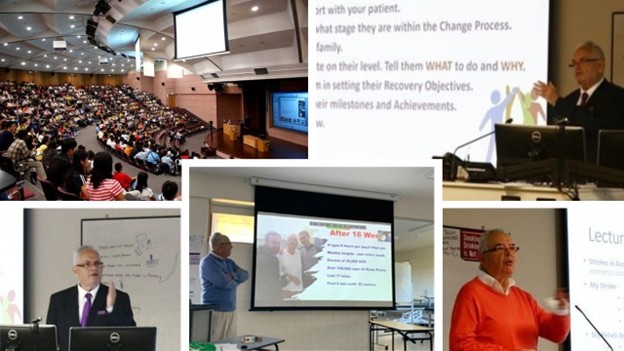
Understand and Recognize the Impact of Inclusion for Stroke Survivors.

Stroke Survivors will feel valued, understood, and supported as a result of their inclusion in the stroke landscape.

This involvement can range from their own rehab planning, consumer involvement in research and clinical trials,and advocacy. Here are some key aspects of how Inclusion can positively impact stroke survivors.

Empowerment and Confidence.
Inclusion in social, professional, and community activities can enhance survivors' self-esteem and confidence.Knowing they are valued and accepted fosters a sense of belonging and self-worth.

Active Participation.
Being included in decision-making processes, whether in healthcare, family, or community settings, empowers survivors to take control of their recovery and life choices.
Holistic Rehabilitation.
Being included in decision-making processes, whether in healthcare, family, or community settings, empowers survivors to take control of their recovery and life choices. This holistic approach can lead to better overall recovery outcomes.

Motivation and Engagement.
When survivors feel included and supported, they are more likely to stay motivated and engaged in their rehabilitation efforts, leading to more effective progress.

Social Connectivity
Inclusion reduces feelings of isolation and loneliness, which are common among stroke survivors.
Social interaction and support from peers, friends, and family can significantly improve mental health and well-being.

Support Networks.
Being part of inclusive communities and support groups provides survivors with a network of people who understand their experiences, offering practical and emotional support.
Find a Stroke Support Group on The Stroke Foundation's Website-just click on the links.
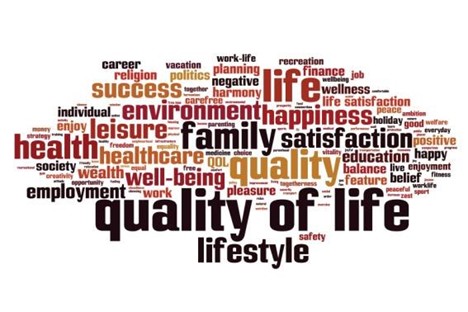
Enhanced Quality of Life.
Inclusion allows survivors to participate in meaningful activities and pursue hobbies, interests, and passions, contributing to a richer, more fulfilling life.

Independence and Autonomy.
Inclusive environments promote independence by providing necessary accommodations and support.
This will enable stroke survivors to perform daily activities and make decisions on their own.

Advocacy and Awareness
Inclusion ensures that the voices of stroke survivors are heard in policymaking, research, and advocacy efforts. Their firsthand experiences can shape better healthcare practices and public awareness.
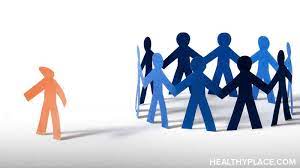
Breaking Stigmas.
Inclusive practices help break down stigmas and misconceptions about stroke survivors, fostering a more accepting and understanding society.
Emotional and Psychological Benefits
Being part of an inclusive community creates a strong sense of belonging and acceptance, which is crucial for emotional well-being. Inclusion helps build resilience by providing survivors with the support and resources they need to navigate challenges and setbacks.
My Key Message on Inclusion.
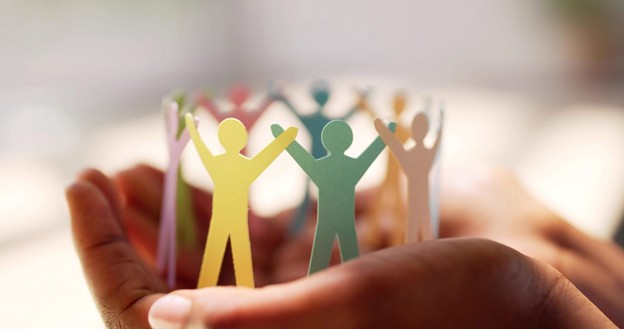
Inclusion is not just about being present - it's about actively participating and being valued for one's unique experiences and contributions.
By fostering inclusive environments, we can help stroke survivors thrive and lead meaningful, empowered lives.