Reinventing Emma Gee: the inspirational story of a young stroke survivor

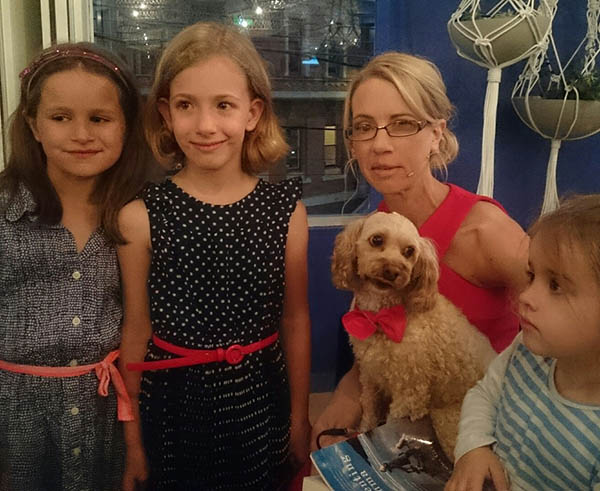
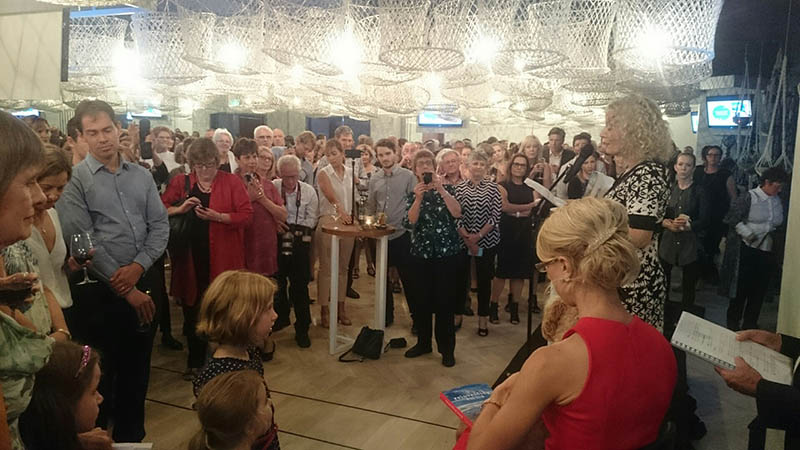
On Thursday evening we attending the launch of young survivor and past Stroke Foundation staffer Emma Gee’s book – Reinventing Emma. Em managed StrokeConnect Online recovery portal for many years before it became enableme. Connect with Em here.
From Emma
I had a haemorrhage stroke at the age of 24 years. For me it was a very sudden, unexpected event that changed my life & those around me forever. As a full-time therapist, the transition to life as a patient was terrifying. For a long time I was so reliant on the medical profession Id worked in. I realized firsthand how disempowering life was on the other side/. As I was significantly physically impacted I spent years rebuilding myself and gradually was able to communicate the terror I felt with the outside world.
My memoir Reinventing Emma stems from my journal writings and draws on snippets of writing which is all I could manage at first as a stroke survivor. This also provided me with am outlet to unleash was so trapped. After ‘reiventing’ myself and returning to a totally different life, ten years later I have been able to relive this grueling path. In doing so, I hope to empower others who have or are enduring their own personal nightmare. Having a stroke is so debilitating, not just for the survivor but for those around them too. I hope in highlighting my own experiences, I can educate many and also encourage & inspire many. To make sure that they know that they’re not alone.
In my own recovery I read many stories of hope that definitely helped me, but also really intimidating me. This book is not about how far I’ve come, it’s just me saying that just ‘being’ is enough. That you don’t need to climb a mountain to be successful in life. It also highlights the need for ongoing support in one’s stroke recovery.
An extract:
“My mission is to show others like me that being themselves is enough, to get them to say proudly I am still a person, I am just a person with a disability, to show them that despite our ailments we can still live and love life; to encourage them to step out of their comfort zones and identify with the able-bodied people around them. Rather than focusing on what differentiates them and being resentful, I want them to look for likenesses with able- bodied people. The grief of losing ‘who we were’ is an ongoing process, but immersing ourselves in it only isolates us more. “