Dancing For Joy From Stroke To Salsa

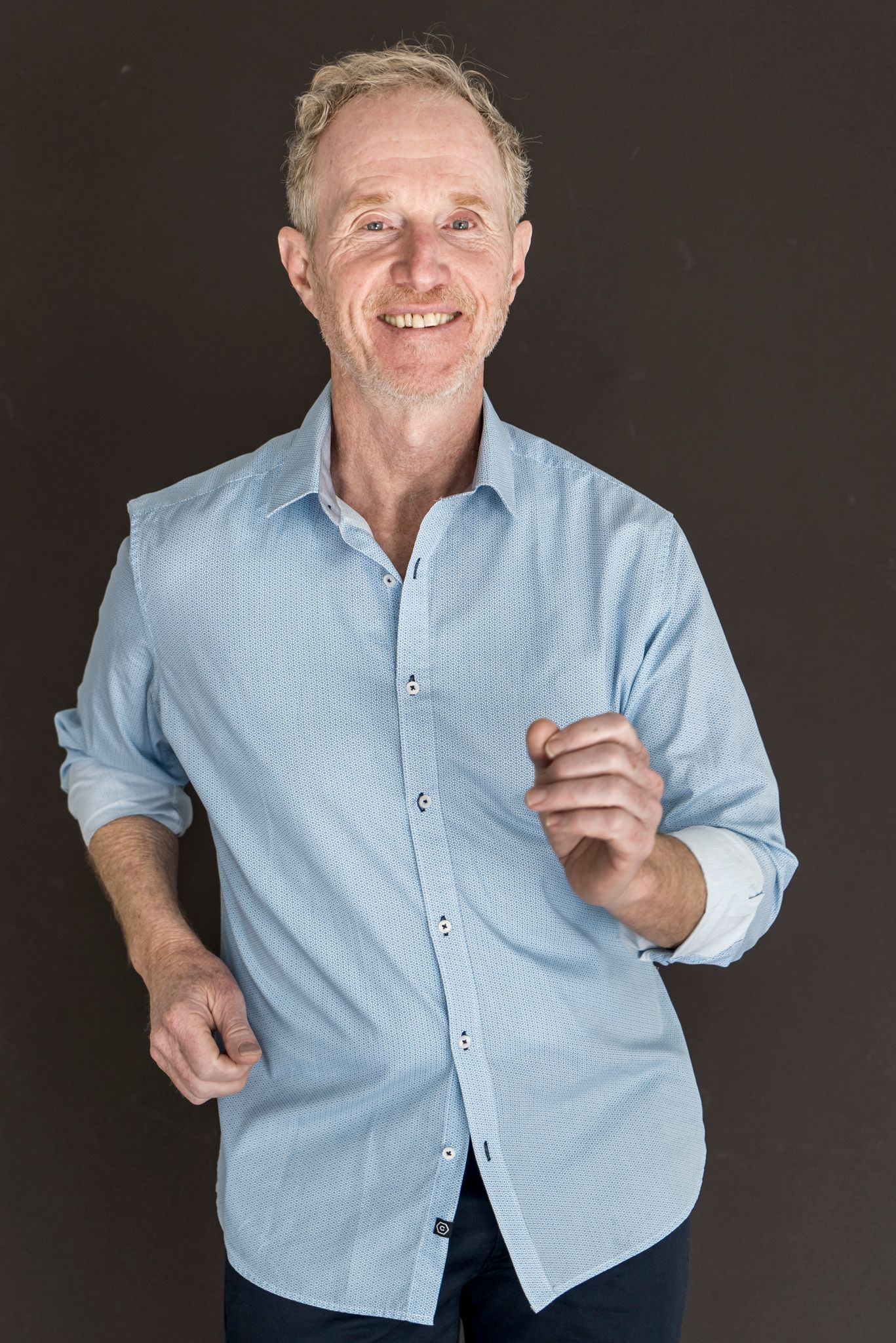
I started by taking 5-rhythms https://www.5rhythms.com/ classes. 5-rhythms is a form of expressive dance in which you are encouraged to move to five different rhythms: Flowing, Staccato, Chaos, Lyrical and Stillness. The idea is to let the music move you from the feet up and to take your head out of the decision making.
I was very self-conscious when I went to my first class, but I knew from past experiences in my stroke recovery that I had to step out and try new things, otherwise, my recovery would go nowhere. The school hall where the weekly class was held seemed to be full of more than 50 people who all appeared to be comfortable with what was to happen. The dance teacher stood behind a desk holding a microphone choosing tunes from her laptop. She spoke suggestions like “feel your feet, let them tell you what to do.”
As I followed her instructions to let my body move me, I discovered something totally unexpected. I felt energy starting from my feet up corkscrewing out of my body through my arms and head; it was visceral but after the class,I wasn’t sure if I had been imagining it. I came the next week, and the next, becoming more comfortable with letting myself go and with each session, I experienced the same sense of energy release spiralling out of me.
It felt like the grief, trauma and despair I had experienced since I first became unwell with posttraumatic stress disorder and then a brain injury was unravelling out of me. It was my body talking; trauma had lodged itself in the cells of my body. When I let my body take charge of responding to the music, I was healing a new way; not only that, but feelings of joy began to emerge. For three months I went to weekly classes until two things changed. It felt that the stored trauma had exhausted itself and I was freed of it. Rather than dancing alone, I wanted touch again, non-sexual touch with a woman, so I turned my thoughts to partner dancing.
Whenever I hear the Latin rhythm I can’t keep still, it’s always been like that. So, when a friend suggested I attend salsa classes, I was ready. She told me of two local teachers, Rob and Leyla, who held weekly salsa classes. For the first year I attended after each class I couldn’t remember any of the steps I had learned, until the following week when Rob would demonstrate again. I was still experiencing amnesia for new learning that had been an outcome from my stroke. By then, five years post-stroke, I was physically fit again, and I felt enormous mental fatigue each class rather than physical fatigue. It was like this for the first year; forgetting and fatigue.
During the second year, I started to remember basic dance patterns after class and remembering them for the following week’s class. Traditionally, in salsa, the male dancer initiates the moves so there is a lot of visual and bodily memory required. By the third year, I could remember a handful of patterns and take them onto the social dance floor where there was no instructor to tell me what to do. That’s when the joy of movement to music and connection with a partner really took off. More and more, it became joy that I danced for although my brain and aerobic health were benefiting too.
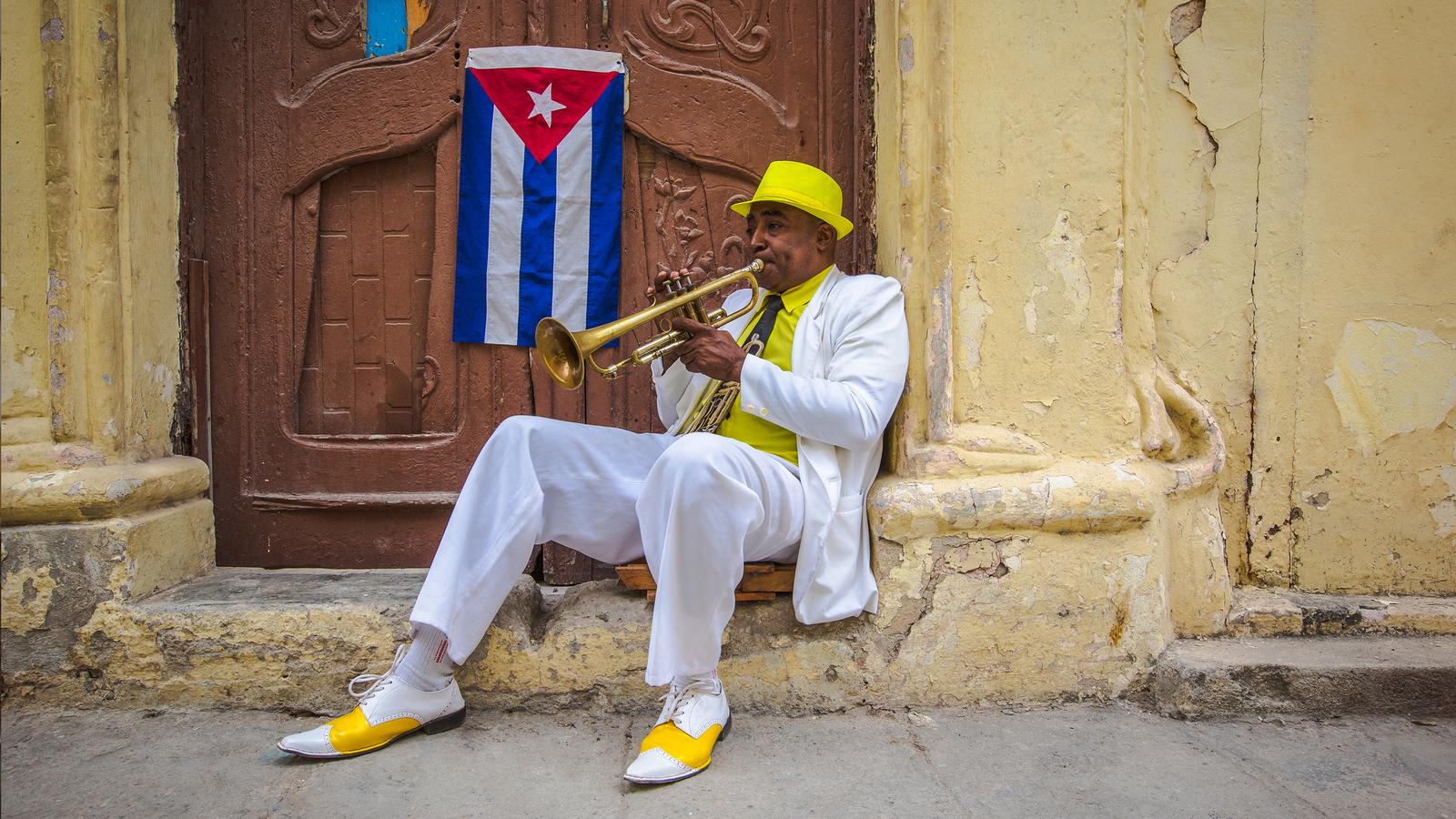
In August 2019, before COVID, I went on a dance tour to Cuba organised by my dance teacher. I knew I would be hugely challenged by the long-distance travel for the first time since my stroke (10 years prior) and with the sensory and cognitive overload I expected to be exposed to in Cuba. Cuba is a noisy country (in a good way) they love their music and they love to talk (loudly), everywhere. I wanted to test my limits for noise, novelty and learning.
Our dance schedule included three different dance schools in Havana, Trinidad and Santiago. Every morning we took a two-hour dance class, and, in the evenings, we went out to dance clubs where things don't really kick off until 10.30 pm. You can imagine the cumulative mental fatigue this created, and I couldn't keep up with this schedule all the time. I opted out of the night-time events, often, to get some recovery. But I was studious with the morning classes because I was learning from some of the best dance teachers in Cuba, and whose knows whether I would ever have this opportunity again. One of the ways I have grown from my stroke experience is to seize opportunities when they present and to not put things off, for everything may change by tomorrow.
My dance highlight was in arranging to dance a sequence we learnt in Santiago, where we spent the last week of the tour, learning a Cuban dance form called Son. Son is a Cuban dance that developed before salsa and it is slower and more elegant than salsa. It is also danced on the second beat of the bar, not the first beat as we are used to in western music. So, it was a real brain challenge. However, I just managed to get the dance sequence down and with my incredibly patient dance teacher we recreated the dance in two different romantic locations in Santiago.
I had wanted to recreate before leaving for the trip, the type of dance video I often saw coming out of Cuba on Facebook and YouTube. So, I organised a local videographer to film in Santiago and another in Havana at the beginning of our trip. Once back home with the help of my book publisher who interviewed me on film about my experience, we created a short documentary. In this film, I tell my story of how I chose dancing for brain health and found joy.
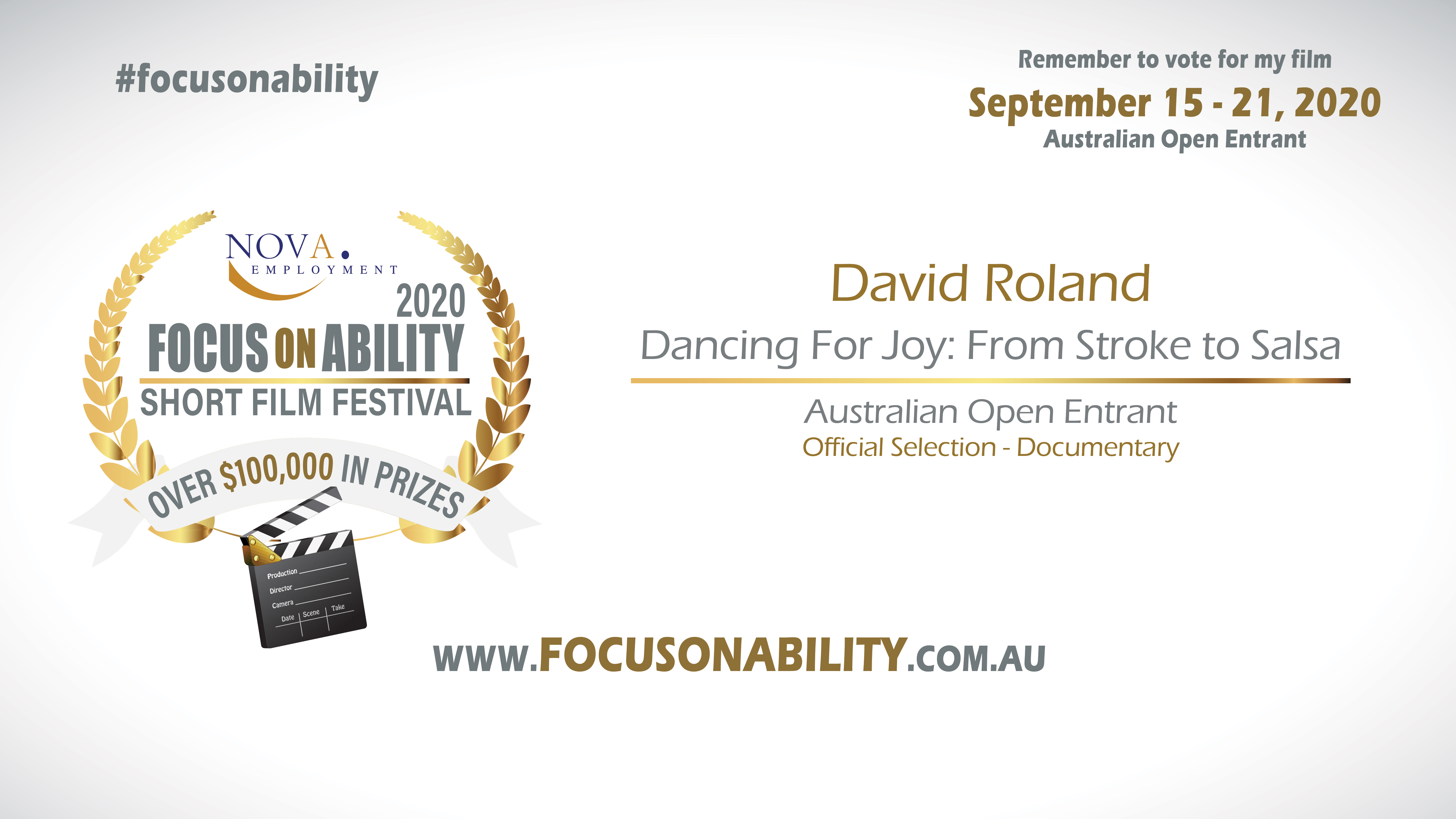
This film “Dancing For Joy From Stroke to Salsa” has been chosen as a finalist in the Focus of Ability Film Festival. https://www.focusonability.com.au/
The concept of this festival is wonderful. Here is what the festival director says:
“The aim of this film festival is to challenge people's fixed beliefs and perceptions about the lives and abilities of people with disability around the world.
In 2019, 244 films were entered from 26 countries and 12 films were screened across Australia's free to air television station SBS and 100 films aired on Foxtel through Aurora TV, and the festival held additional screenings in Sydney, Los Angeles, New York, Melbourne, Brisbane, Adelaide, Fremantle, Auckland, and Malawi.
The audience capacity is well over 1,000,000 people and continuing to grow, providing unmatched exposure for up and coming filmmakers and for people with disability to bring their message to the world. Films are judged by a professional judging panel and subject to an online voting process, with separate prizes for each category.”
My film, together with the other films in the Open Documentary category will be online from 15 September. Please go online and check them out and vote for your favourite film.
I reflected on some of the lessons I’ve gained from my dance journey and here is what I’ve come up with.
- Our bodies hold memories and finding expressive ways of moving is one way of releasing the negative impact of these memories.
- After a brain injury learning a new activity like partner dancing is not easy, it’s not easy for brain-abled people either, so we need to keep at it. Many times, I was overwhelmed but kept returning to it, as I was ready to. I was motivated because I really wanted my brain to work again as well as it could. I knew that challenging it was the best way for this to happen.
- Open to new possibilities when old ways of doing things are no longer possible. When something like a stroke happens at some point, we need to accept that this is how it is now if we are to move forward. Once we’ve found this acceptance for what has happened, we can find new ways of being. New ways can bring surprising fulfilment and joy. I’m not only a stroke survivor now but also a dancer.
David