The Important Role of Synergy plays in Stroke Rehabilitation.


How Collaborative Efforts Enhance Recovery Outcomes
Stroke rehabilitation is a complex and multifaceted process that aims to assist stroke survivors regain independence and improve their quality of life.
One of the most critical, yet often underappreciated factors contributing to successful rehabilitation is synergy. This refers to the effective collaboration and coordination among various stakeholders, including healthcare professionals, stroke survivors, and their families.
In my corporate world, the concept of synergy was a buzzword that I ensured was ingrained into the processes impacting my projects.The nature of many of my corporate projects had company-wide implications, and I quickly realized the importance of a synergistic management style.
It got to the stage where the term Synergy was included in every speech, conference presentation, and alas, I was guilty of overusing it.
Despite this perceived overuse, the term denotes a very real and necessary property of stroke rehabilitation.
Effective synergy in stroke rehabilitation means that all parties involved are working together seamlessly towards the common goal of recovery.
Healthcare professionals must communicate and coordinate their efforts, stroke survivors need to be actively engaged in their rehabilitation process, and families must provide support and encouragement.

When these elements align, the rehabilitation process becomes much more effective, leading to better outcomes for stroke survivors.
Understanding Synergy in Stroke Rehab.
In the context of stroke rehabilitation, it means that when doctors, physiotherapists, occupational therapists, speech pathologists, nurses, Stroke Survivors, and families work together cohesively, the outcomes for the Stroke Survivor are significantly improved compared to isolated efforts
Multidisciplinary Team Approach
Stroke rehabilitation is most effective when delivered by a multidisciplinary team. Each professional brings their unique expertise:
Physiotherapists focus on mobility, strength, and balance.
Occupational therapists assist with daily living activities and adapting environments.
Speech pathologists address communication and swallowing difficulties.
Nurses provide ongoing care and monitor overall health.
Doctors oversee medical management and coordinate care plans.
When these professionals share information, set common rehab goals, and adjust interventions collaboratively, Stroke Survivors benefit from a more comprehensive and streamlined recovery process.
Patient and Family Involvement
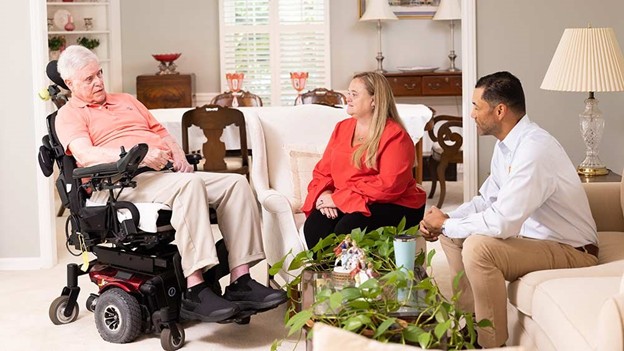
Synergy in Stroke rehab is not limited to healthcare providers. Stroke Survivors and their families/networks can and do play a crucial role.
Educating families about stroke, involving them in goal setting, and encouraging participation in therapy sessions can foster motivation and reinforce therapy outside clinical settings.
This holistic involvement leads to better adherence to rehabilitation plans and improved functional outcomes.
Benefits of Synergy in Stroke Rehabilitation
Faster Recovery: Coordinated care helps reduce duplication of efforts, identify barriers early, and streamline interventions, leading to quicker progress.
Improved Outcomes: Integrated approaches address the physical, emotional, and social aspects of rehabilitation, resulting in better overall recovery.
Reduced Stress: Clear communication among team members and with the patient reduces confusion, anxiety, and the risk of errors.
Personalised Care: Synergy enables the team to tailor interventions to the individual's unique needs and circumstances.
Faster Recovery: Coordinated care helps reduce duplication of efforts, identify barriers early, and streamline interventions, leading to quicker progress.
Improved Outcomes: Integrated approaches address the physical, emotional, and social aspects of rehabilitation, resulting in better overall recovery.
Reduced Stress: Clear communication among team members and with the patient reduces confusion, anxiety, and the risk of errors.
Personalised Care: Synergy enables the team to tailor interventions to the individual's unique needs and circumstances.

Challenges and Strategies to Enhance Synergy
While synergy is vital, it can be challenging to achieve due to factors such as differing professional perspectives, communication barriers, and time constraints.
Strategies to enhance synergy include - Regular team meetings and case conferences; Clear documentation and information sharing systems; Joint goal setting with Stroke Survivors and their families.
My Key Messages
Synergy is a cornerstone of effective stroke rehabilitation. By fostering collaboration among multidisciplinary teams, patients, and families, rehabilitation programs can maximise recovery potential and support individuals in reclaiming their independence.
Emphasising synergy ensures that every aspect of a patient’s journey is addressed, paving the way for optimal outcomes and a better quality of life after stroke.
Brian A Beh - A Stroke Aurvivor.