Eating well and maintaining a healthy weight after stroke

Eating a healthy diet is no easy feat… so challenging in fact that 63% of the Australian adult population is overweight or obese and the majority fails to meet the Australian Dietary Guidelines.
After a stroke you’re at an even higher risk of poor nutrition and weight gain. You may struggle to access the supermarket and prepare healthy meals, you may have financial limitations, changes in appetite and taste, or you may have difficulty chewing and swallowing food… all of these factors can lead to weight gain, or in some cases weight loss or nutritional deficiencies.
So how do you keep things in balance? How do you eat a healthy diet, maintain a healthy weight and manage your stroke risk factors (cholesterol, blood pressure, weight, diabetes) all at the same time?
As we say with all aspects of stroke recovery and lifestyle change, it’s a journey! The following tips and tricks will hopefully get you started or at least get you thinking about what a healthy diet might look like.
- Things are different after a stroke.
Your nutritional needs following a stroke may be quite different to what they used to be. Your muscle mass has likely reduced, you may be less active, and you’ve probably discovered you’ve got stroke risk factors like high cholesterol and high blood pressure that need to be managed. That’s why an Accredited Practising Dietitian should be your first port of call. They’re experts in all things weight, nutrition and stroke risk factor management. Talk to your GP about making a referral.
- Focus on the foods that you should eat.
We’re constantly being bombarded with messages of what we shouldn’t eat; no white bread, no bacon, no cakes, no soft drink etc. All this negativity can make it feel like you’re destined to fail.
Why no focus on what you can eat? Delicious fruit and vegetables, wholegrain breads and cereals, lean protein, calcium rich dairy and satisfying healthy fats like nuts, avocadoes and olive oil. Eating healthy is not only good for you, it’s delicious!
- It’s not all about quality, quantity matters too.
Too much of any food isn’t good for you. You want to aim for a varied diet with appropriate portion sizes. Check out the Australian Dietary Guidelines for portion size and serving number recommendations specific to you age and gender.
The other thing to think about is the size of your dinner place. Did you know that the average Australian plate has increased in size from 25cm to 30cm in diameter over the past 30years? That’s a surface area increase of 44%. A bigger plate encourages you to serve more food, eat more food and gain weight. Consider switching your plate.
- Make a healthy diet and a healthy weight your priority.
If you knew that you could lose weight, have more energy, feel better in yourself, and reduce your risk of having another stroke, would you do whatever it takes? Would you set yourself a goal and stick to it? Surround yourself with healthy foods, and seek support from friends, family and health professionals?
Just like taking your medication, exercising and seeing your GP regularly, following a healthy diet will not only keep you on this earth for longer but improve the quality of your life. Sounds great doesn’t it?
Talk to your GP, see a Dietitian, get your friends and family on board and call us on Strokeline, we’re here to help. This could be one of the most important steps you take in your recovery journey.
Alana Saunders
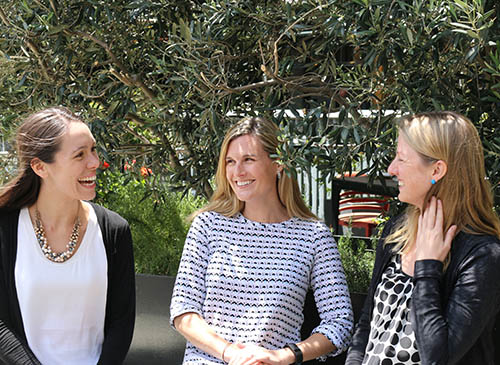
Speech Pathologist and Nutritionist for Strokeline (that is me on the left)