Recently I had the pleasure of sharing my Lived Experience and Expertise with Final Year Physiotherapy students at Newcastle University.

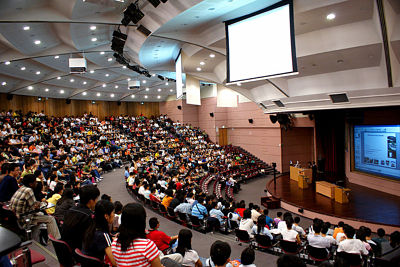
This opportunity was graciously extended by Ms. Kate Newton, Physiotherapy Industry Clinical Educator at the College of Health, Medicine, and Wellbeing School of Health Science, and Dr. Dawn Simpson, Senior Lecturer in Physiotherapy at the University of Newcastle.
The subsequent Q&A session, as always, sparked numerous thoughtful questions, reflecting the students' keen interest and curiosity.
I was impressed with the quality of the questions that I decided to share them together with my responses.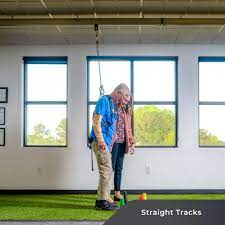
That is an interesting question-I did not consider any part of my rehab program onerous during my inpatient stay, but there was one routine that caused a degree of personal angst, and that was stepping, especially as I was starting my rehab.
At the beginning I could not lift my foot off the ground, not even step over a pencil! As I improved, and the height of the steps grew, I was continually stubbing my toes - which was rather painful.
The only other thing that irked me was that the rehab gym was closed on weekends, and I could not find the bloody key!!
How beneficial was it for you to work with other stroke survivors?
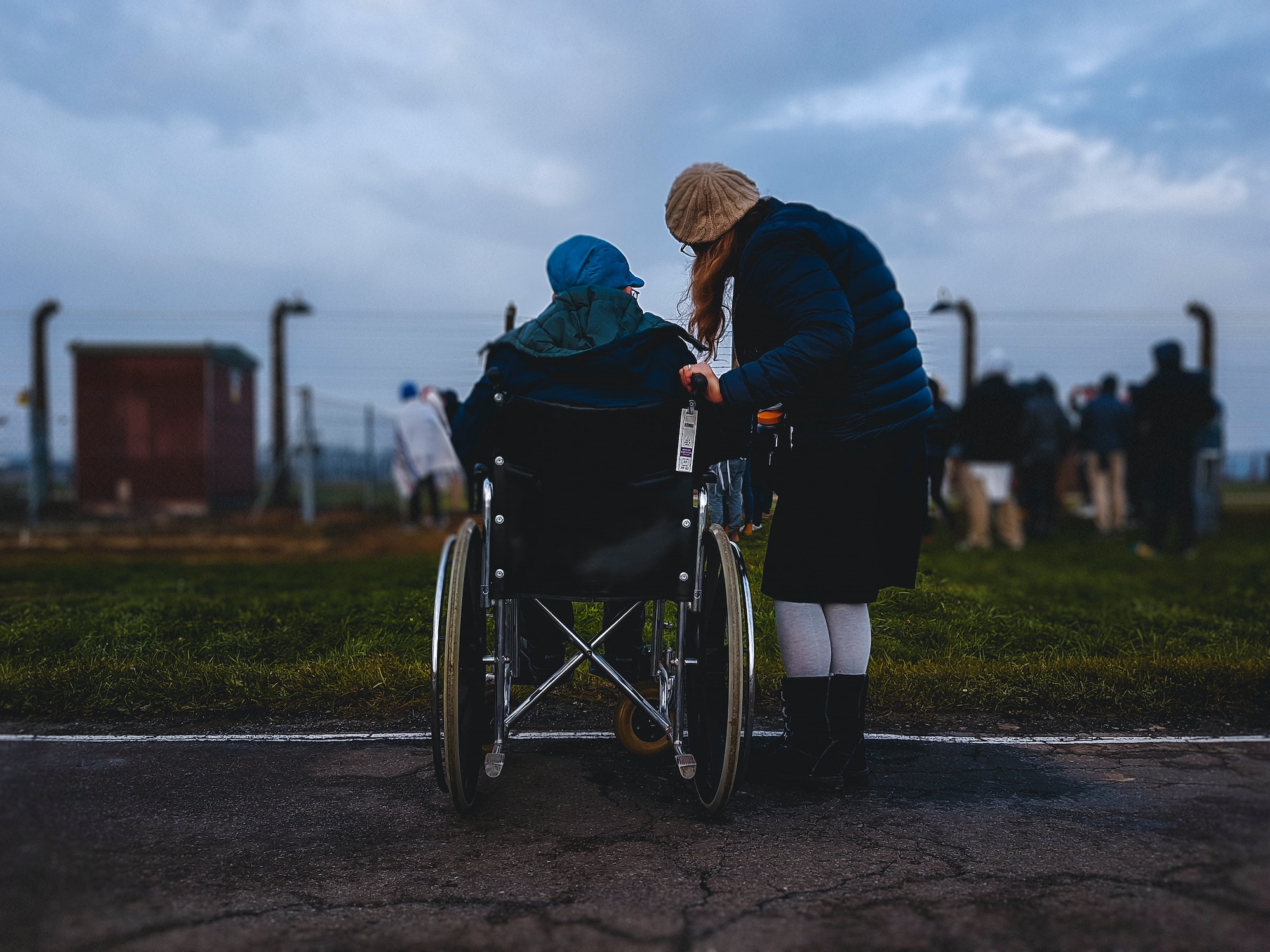
During my inpatient stay, I primarily conducted my rehabilitation routines alone. However, on several occasions, I worked with other stroke survivors, which proved to be a beneficial and enlightening experience both individually and collectively.
We were all imbued with a desire to heal, albeit at varying personal levels, and our interactions were characterized by a good degree of sharing and honesty.
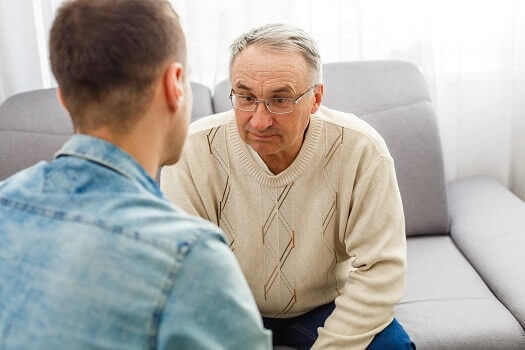
On several occasions, I was asked to sit and talk with stroke survivors who were struggling to accept the changes resulting from their stroke. This is where my change management experience from the corporate world proved invaluable.
It provided them with an opportunity to vent and openly discuss their frustrations. I am happy to say that once they expressed their feelings, they seemed to accept what had happened to them.
I must admit that interacting with other stroke survivors in the rehab gym taught me about the collective strength and commitment to healing that we shared when we came together
Were any goals that you had to accept you might not be able to achieve, or have you kept these goals for future,and are continuing to work on these goals?
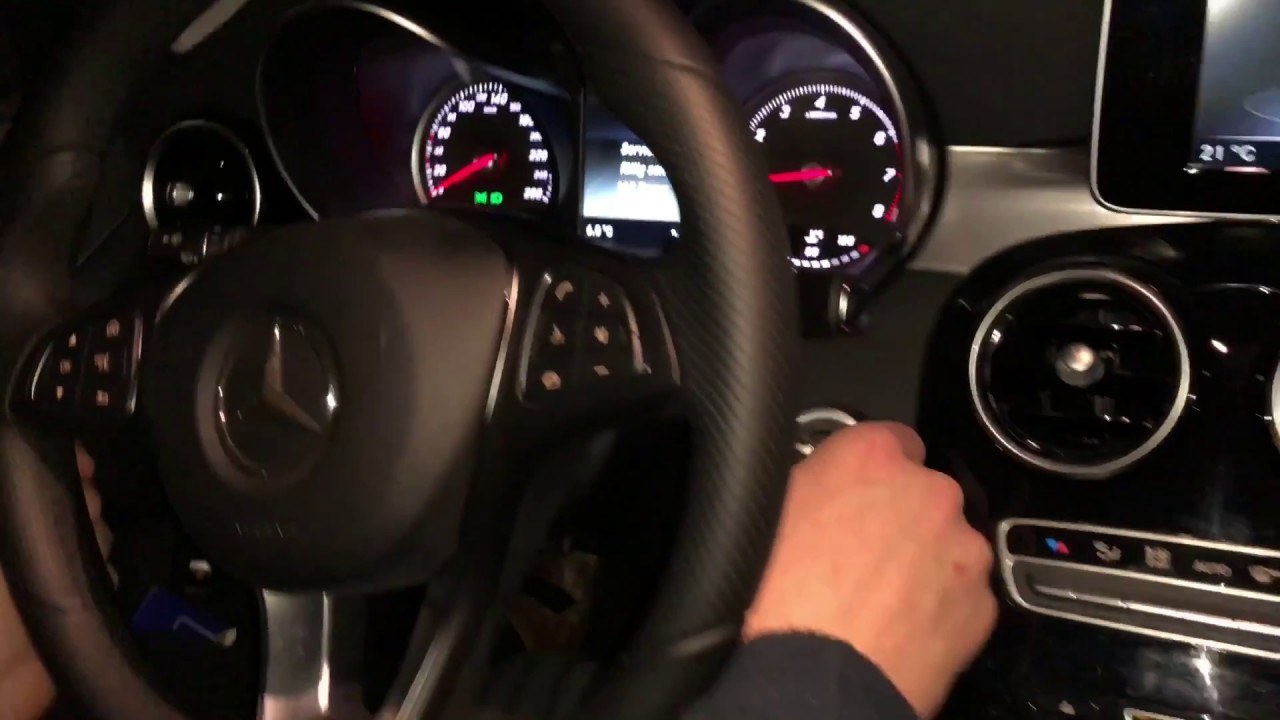
Reflecting on my rehabilitation journey, other than learning to walk again, one other goal stood out -regaining the ability to drive my car after my stroke.This was especially important to me as I had purchased prior to my stroke a brand-new Mercedes Benz fully equipped with all the latest whistles and bells.
Unfortunately, this goal proved unattainable due to several issues. My reflexes in my right leg and arm were significantly slower, making it obvious that I would not pass an assessment by the RTA's Examiner
Additionally, navigating Sydney's traffic requires a high level of confidence and assertiveness, both of which were diminished as a result of my stroke. Consequently, I made the decision not to pursue my driving license. Another factor was the cost of converting my car to accommodate my condition, which would have been approximately $10,000.
I subsequently sold my Benz, three years later with 5,000 kms on the clock!
Considering these challenges and not wanting to pose a risk to other drivers or my family, I decided to rely on Uber, public transport, and taxis
What was your experience of online rehab and trials you have participated in?
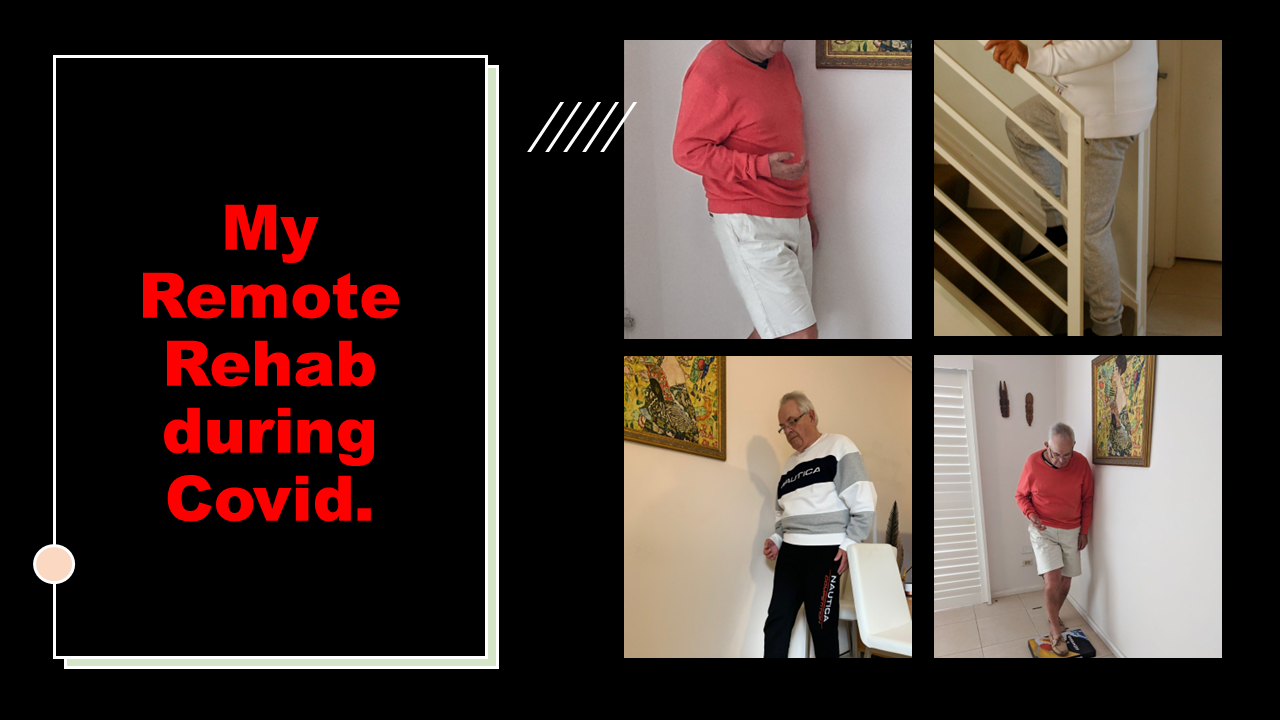
During COVID I participated In an online and remote rehab programme with Associate Professor Simone Dorsch, where a programme of stepping exercises was developed and executed in the safety of my dining room.
We established specific targets and specific routines involving stepping and also climbing stairs. We met once a week via ZOOM, reviewed my progress, and I achieved my rehab targets.
A prime consideration was that these routines be conducted in a SAFE environment- if you are considering undertaking a program of this nature, you must ensure the Survivor is in a safe situation.
We have seen varying levels of function of stroke survivors throughout their rehab process. For you, how much of it came down to your motivation to get better? And how did that affect where you are today?
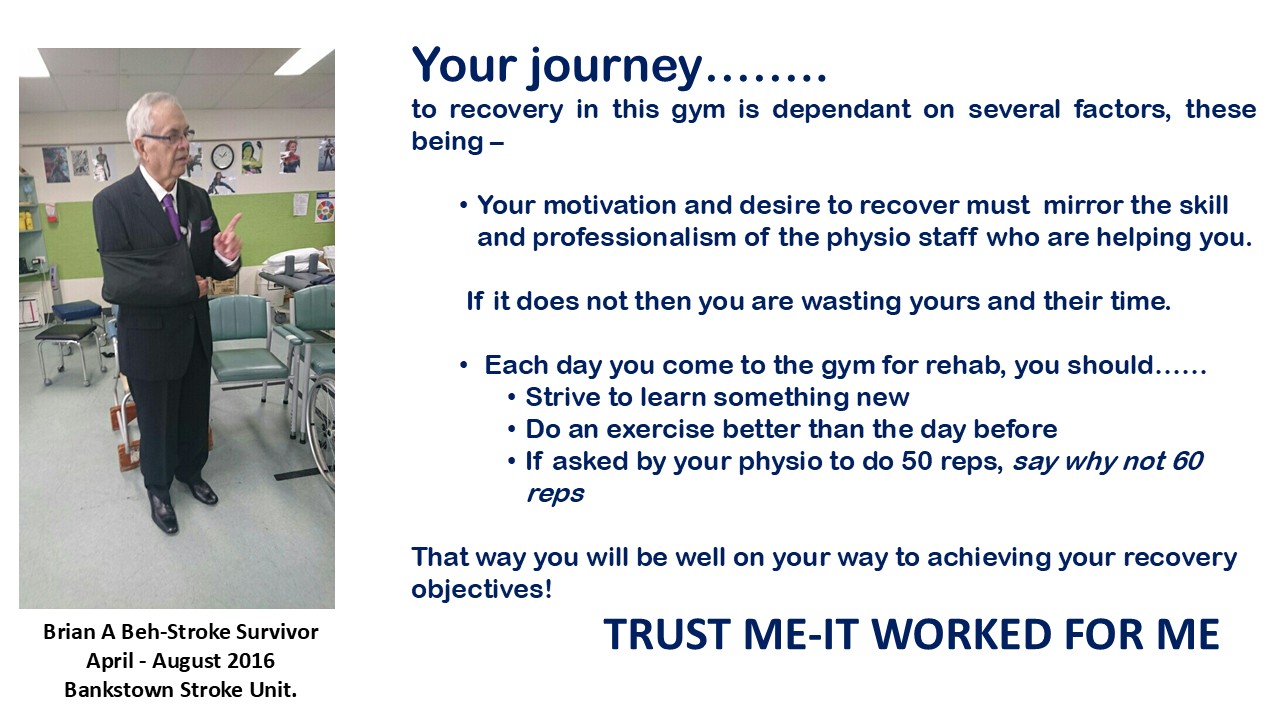
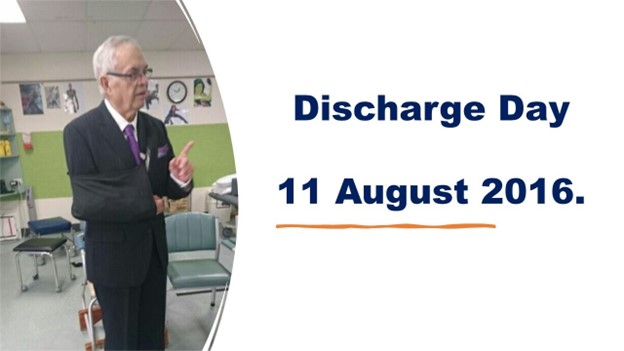
On my second night in the ICU at Bankstown, I made a quiet commitment to myself - to fully utilize the skills of the clinicians involved in my rehabilitation and ultimately walk out of the hospital unassisted. This became my primary, silent objective throughout my entire rehab program.
Sixteen weeks later, thrill seekers and fellow time travelers, I walked out of Bankstown Hospital. This inner drive, which has been with me for most of my life, carried over into my stroke rehabilitation.This poster \{see above\} outlines my rehab philosophy and is still on display in the Rehab Gym at Bankstown.
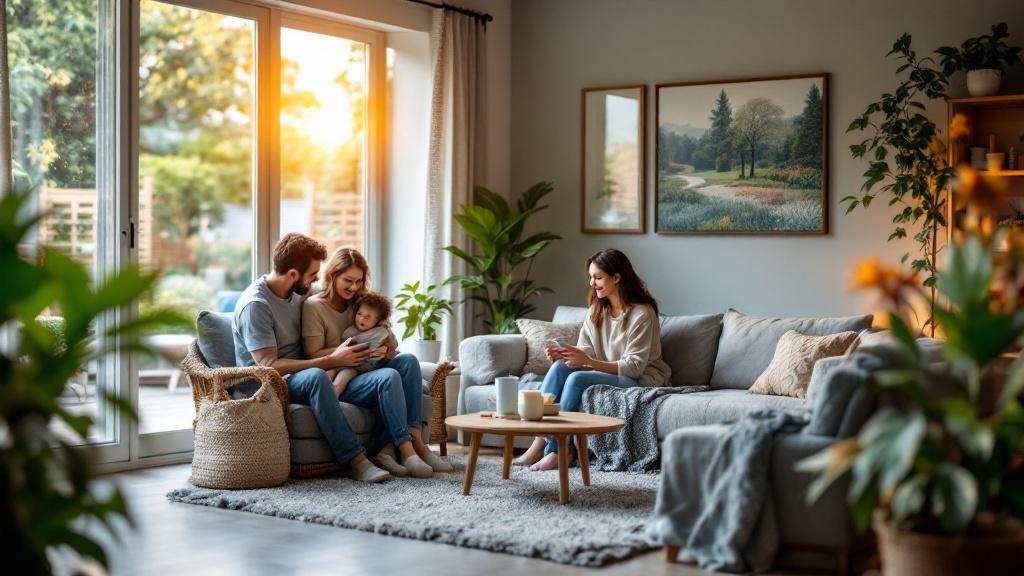
I thought the physios were tough in the rehab gym – then along came my wife and daughter who became my defacto supervisors at home and ensured I did your stepping practice!
They were actively involved in my rehab exercise program, ensured that I adhered to my stroke friendly diet.My blog "The important Role That Family Can Play in Stroke Rehabilitation "outlines the important role played by families.
My Thanks to Kate, Dawn and Ms.Coralie, for allowing me to undertake this activity-A perk of being a Stroke Survivor.
if you wish to read my blog "Recently I had the pleasure of sharing my Lived Experience and Expertise with Final Year Physiotherapy students at Newcastle University." Click on the link
Brian A.Beh - A Stroke Survivor.