Seven things You Should Not Say to a Stroke Survivor....


Respectful Communication Following Stroke: What to Avoid
Recovering from a stroke is a unique and often tough journey. Survivors may deal with physical, emotional, and mental challenges, and the support and words from friends, family, and caregivers can make a big difference.
To foster positive interactions and avoid causing distress, it’s important to be mindful of what you say. Below are some comments and questions that should be avoided when speaking with someone who has survived a stroke.
The idea for my blog today came during a meeting with three other stroke survivors I’m working with, when the topic of what not to say came up. We ended up spending about an hour discussing some of the comments they had received or heard directed at other stroke survivors. I hope you find this list interesting.

You don’t look sick.”
Stroke effects aren’t always visible. Many survivors struggle with fatigue, memory issues, or pain that’s not apparent to others. This comment can invalidate their experience.
While intended to be comforting, this can minimise the survivor’s challenges and recovery process. Every stroke is serious and can have lasting effects.
Survivors are often grateful, but this phrase can feel dismissive of the difficulties they continue to face.

When will you be back to normal?”
Recovery is unique for every survivor and may not result in a return to their previous abilities. This can create pressure and unrealistic expectations.
"My father-in-law had a stroke and was fine after a few weeks.”
Every stroke and every person is different. Comparing recoveries can be discouraging

"You’re becoming a bit of a burden.”
Never say anything that makes someone feel guilty for needing help. Stroke survivors may already struggle with feelings of dependence.

"You seem fine to me.”
Many effects of stroke are invisible. This phrase can make survivors feel their challenges aren’t understood or believed.

My personal favourite of what NOT to say to a stroke survivor is ”I understand what you've experienced.”
To me, this is one of the most demeaning and condescending things you can say to a stroke survivor. The truth is, if you haven’t experienced a stroke yourself, you have no real understanding of the feelings and emotions that a survivor goes through.
These words are Pure Equine Faecal Material!!
My Key Message
Supporting a stroke survivor means listening, showing patience, and being sensitive with your words. Avoiding the comments above and choosing supportive language encourages recovery and helps survivors feel valued and understood.
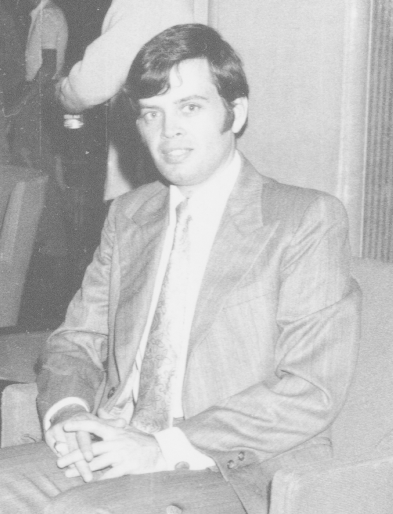
Brian A.Beh - A Stroke Survivor[circa 1972\}