Pet therapy after stroke

Human and animal interaction in a hospital or rehab setting can have powerful effects on a person’s recovery after stroke.
Animal-assisted therapy teams can work with many different types of after effects of stroke, including aphasia, spasticity, hemiparesis and depression.
A pet can offer acceptance, love and motivation through the most difficult parts of rehabilitation and recovery after a stroke. Pets are very good companions and help people feel less lonely.
Pets and pet therapy can enhance: physical health, emotional health, psychosocial health, and cognitive function and communication skills.
Some ways that a pet can help with recovery in rehab and beyond
The responsibility one takes for a pet can enhance cognitive functioning in ways that are more subtle and enjoyable than traditional therapies, and fun activities can fire up people with low motivation.
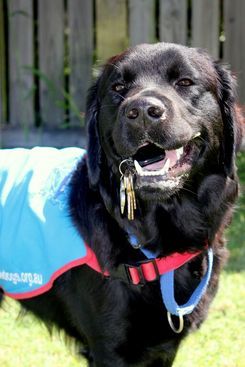
A therapy dog can help encourage language in a person with aphasia. Animals especially dogs make a person more inclined to want to talk because they’re realise that the dog is able to understand them. They can not only motivate a person to talk but can provide a feeling of unconditional acceptance.
Dogs can provide opportunities for someone with mobility deficits the motivation to move and can provide a unique opportunity to relearn everyday skills often without realising the full extent of the effort being exerted.
Simple tasks such as throwing a ball to a dog or brushing his coat can help strengthen weak muscles, building arm strength and balance. Positioning an animal on the side of the body where there is a visual deficit can motivate a person to work on this neglected side.
Working with a pet in therapy or at home:
Reduce stress hormones (cortisol)
Increase good hormones (serotonin, oxytocin)
Reduce anxiety and high blood pressure
Enhance mood
Increase motivation and confidence
Plus they make you smile.
For more about assistance dogs see Assistance Dogs Australia.