Strategies for Enhancing Non-Verbal Communication in Stroke Rehab

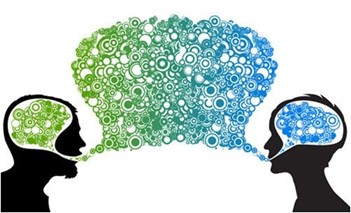
Promoting effective non-verbal communication is, I believe, a shared responsibility among stroke survivors, therapists, caregivers, and family members.
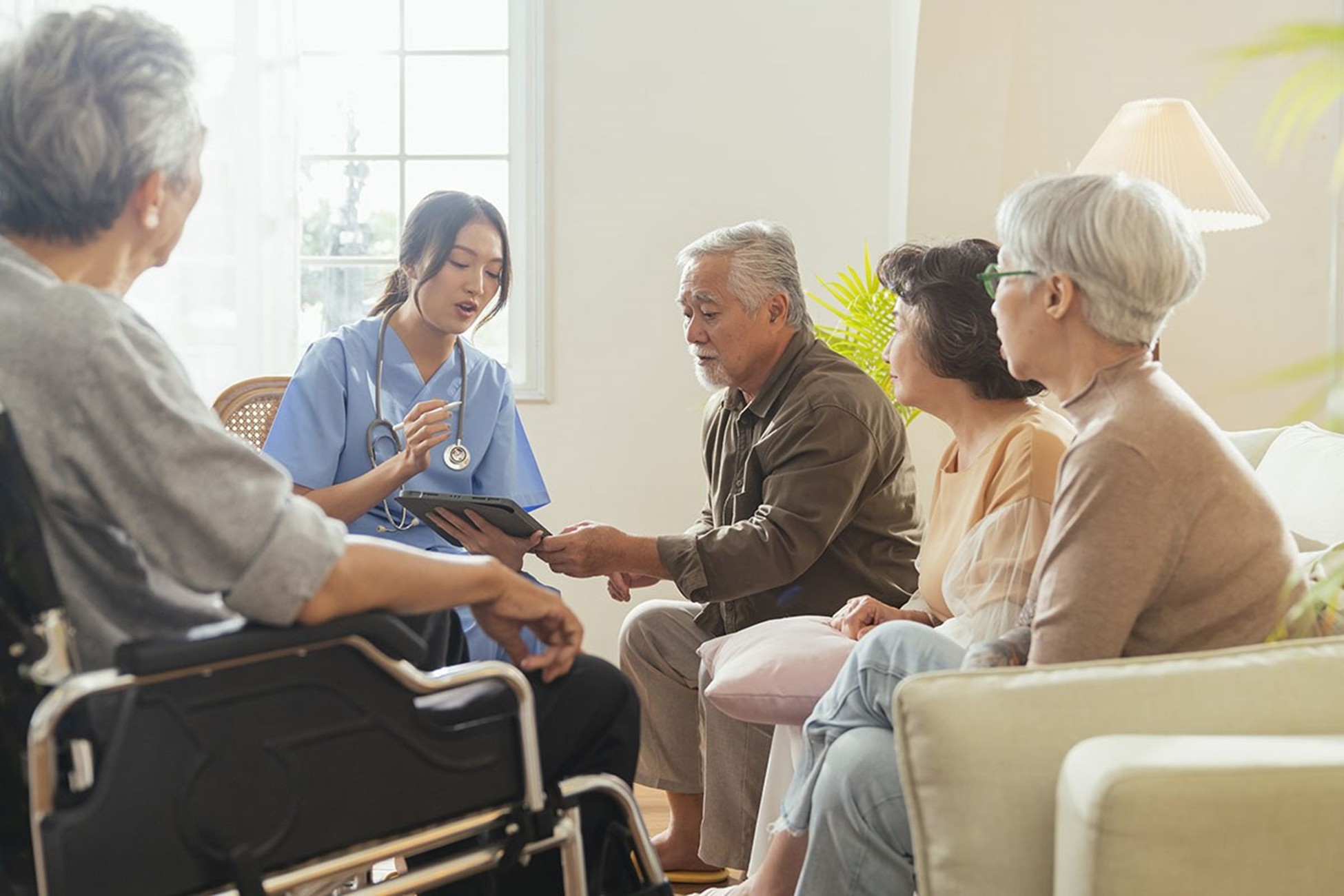
Some strategies which can enhance the value of non-verbal communications include........
Caregivers should closely observe the survivor’s facial expressions, gestures, and body language, allowing time for responses and not rushing the process.
Using clear gestures, maintaining consistent routines, and reinforcing communication with visual aids make messages easier to understand.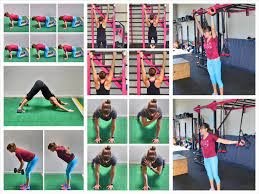
Tools such as picture boards, gesture systems, or electronic devices can supplement or replace speech, empowering survivors to express themselves.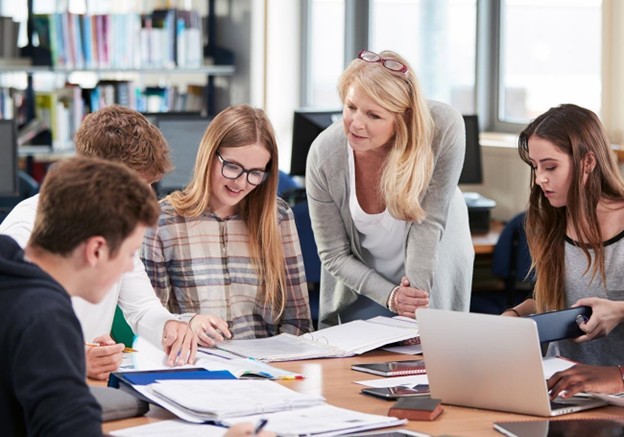
Healthcare teams can teach survivors and their families about the importance of non-verbal cues and how to use them effectively in daily life.
Encouraging efforts at communication, no matter the mode, builds confidence and motivation.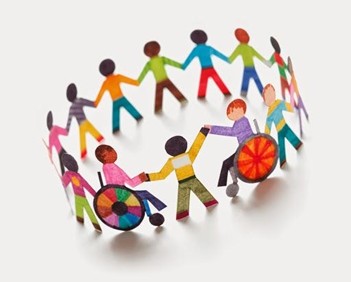
Reducing background noise, ensuring good lighting, and facing the survivor during interactions make it easier to pick up on and transmit non-verbal cues.
While non-verbal communication is invaluable, it is not without challenges. Survivors may also experience impairments in movement, facial control, or cognition that limit their ability to express themselves non-verbally.
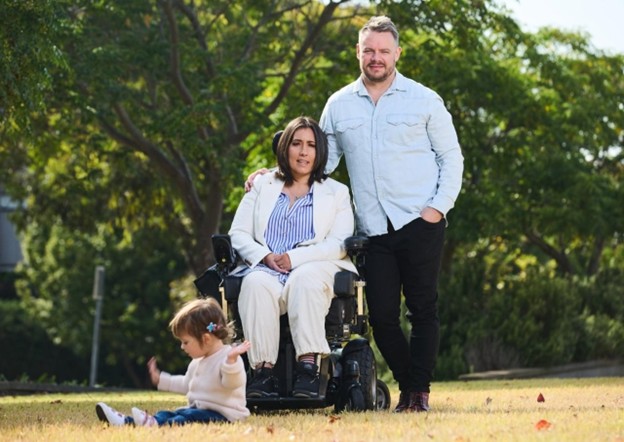
Family members play a pivotal role in supporting non-verbal communication. Their familiarity with the stroke survivor’s typical behaviors, likes, and dislikes can help them interpret subtle cues.
Caregivers can foster a nurturing atmosphere by validating all attempts at communication, responding with empathy, and encouraging participation in family life.
Advancements in technology are continually enhancing the ways stroke survivors can communicate. Speech-generating devices, apps, and wearable sensors are opening new avenues for expression.
However, the human element—the shared glance, the comforting touch, the attentive posture—remains irreplaceable.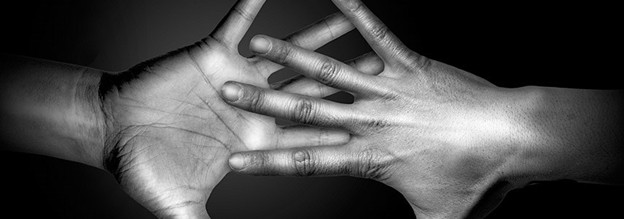
For many Stroke Survivors, communication \{including non-verbal\} bridges the gap between mind and world, allowing needs to be met, relationships to be nurtured, and progress to be made.
For caregivers and professionals, these forms offers a pathway to further understanding, empathy, and more effective support of stroke survivors.
Then we can transform stroke recovery into a journey not just of healing, but of meaningful connection.
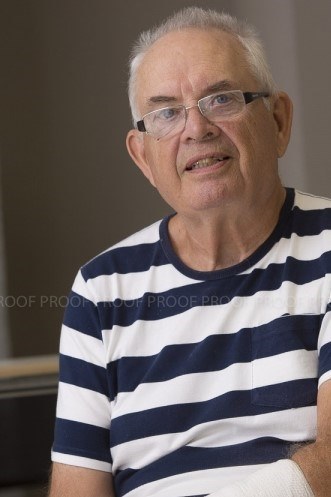
Brian A Beh-A Stroke Survivor