Tips from a carer and wife

Julie Collins became a full-time carer after her husband Ross suffered a stroke in 2012.
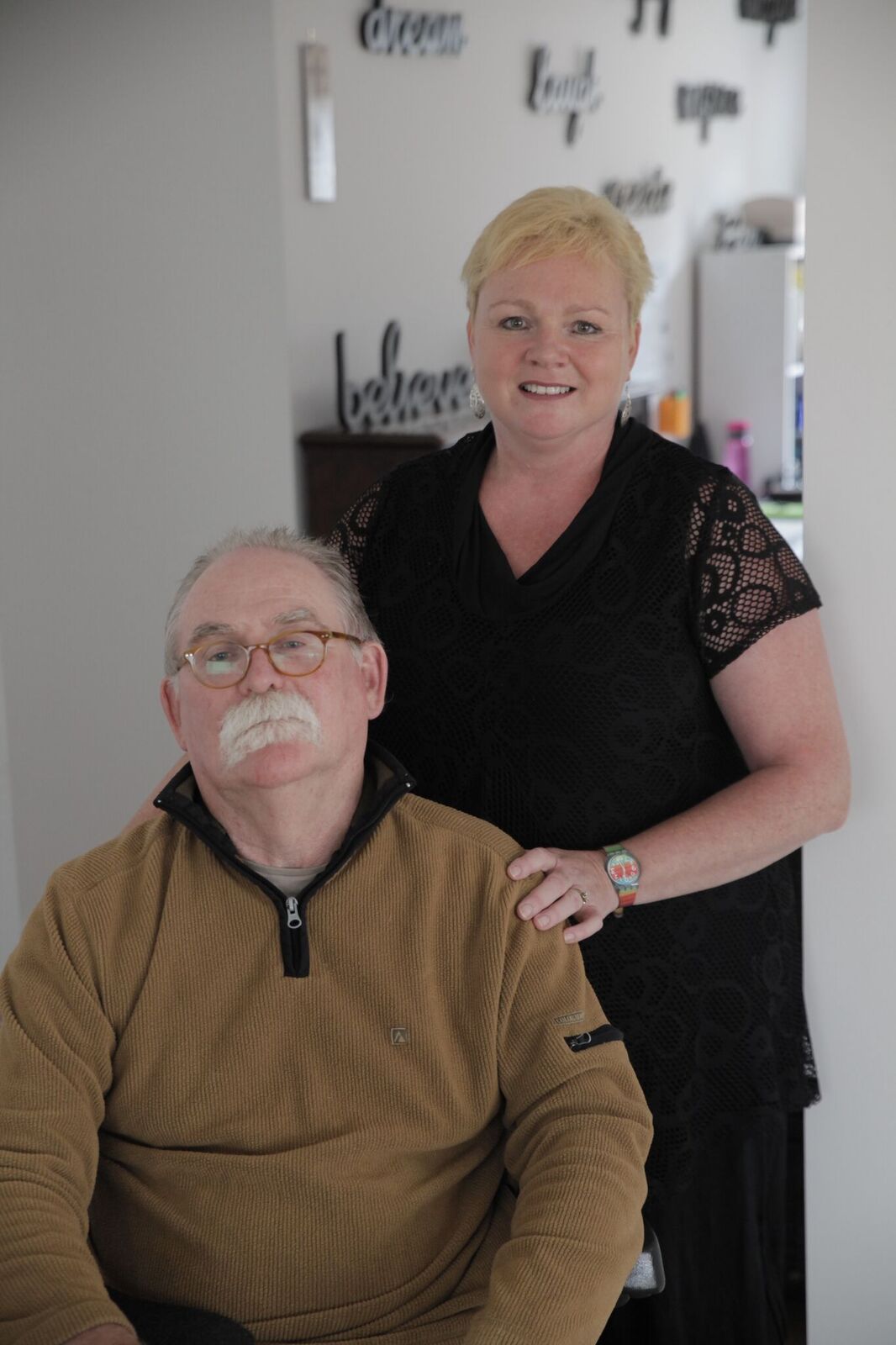
Ross’s stroke left him wheelchair bound. He has difficulty communicating and eating, and depends on Julie and his family for most daily activities. Since then, Julie has learnt a lot about things which make a difference to life as a couple after stroke.
Document it all
Because so much was happening when Ross first had his stroke, ‘the book’ became my lifeline. I wrote down everything that happened, along with everyone’s name and their role. The book helped me answer everyone’s questions and keep track of it all. I still write everything down in my diary.
Have a plan
I developed laminated cards that go everywhere with Ross, with an emergency care plan, his medical history, medications and emergency contacts.
The cards also have information about Ross’s difficulties with language and communication, with tips on how to communicate. The speech pathologist helped with this, and the occupational therapist helped with information about using Ross’s wheelchair safely.
Share with friends
I emailed the information to all our friends, so if people are out with Ross without me, they are prepared with all the information they need.
I sent it out before the first time our group of friends got together again after Ross came home. It helped people be prepared for how things are now, and it helped them include Ross. It can be very confronting for people who haven’t had anything to do with people with disabilities. You’re trying to get across to people that Ross hasn’t changed, he’s still got the same wicked personality. It was important to be proactive about helping our friends to be comfortable too.