No postcode untouched

Regional and rural communities are bearing the brunt of Australia’s stroke burden, according to an updated Stroke Foundation report released today.
“No Postcode Untouched: Stroke in Australia 2017”, found 12 of the country’s top 20 hotspots for stroke incidence were located in regional Australia and people living in country areas were 19 percent more likely to suffer a stroke than those living in metropolitan areas. Stroke Foundation Chief Executive Officer Sharon McGowan said due to limited access to best practice treatment, regional Australians were also more likely to die or be left with a significant disability as a result a stroke.
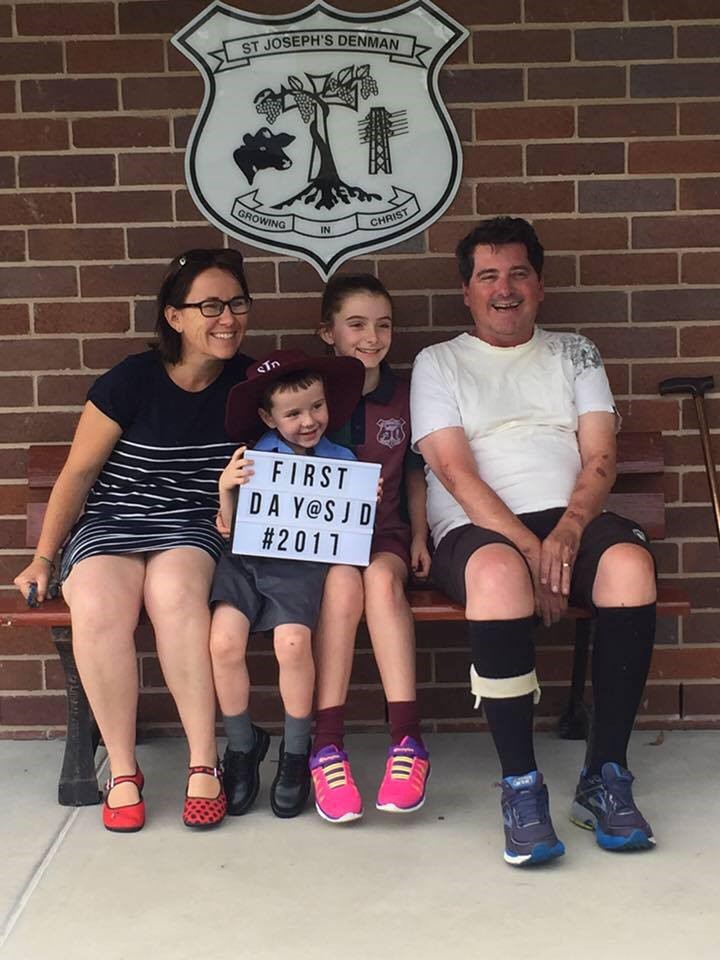
Tracy and Stephen' story illustrates just what regional people are up against. Tracy says "“My husband Stephen was 48 when he had a stroke - I found him on the floor - eyes open, unable to speak. I immediately suspected stroke and dialled 000. The paramedics thought he was too young to have a stroke and took him to the local hospital, which doesn’t have a stroke unit.
After stroke was confirmed, the Westpac Rescue helicopter was organised to take Stephen to a large regional hospital with specialised stroke services, however by the time he arrived he had completely missed the window for thrombolysis.
In the days after the stroke he suffered multiple life threatening complications, spending 4 weeks in intensive care, 6 weeks on the stroke ward and another 6 months in rehab.
The one thing I always remember is the doctor in charge in ICU saying it took us too long to get to the stroke unit. I remember asking how rural patients were supposed to get to hospital in time.”