A farmers close call with stroke

Neil, a fourth-generation farmer says he’s lucky to be alive after a stroke at the beginning of December 2023.
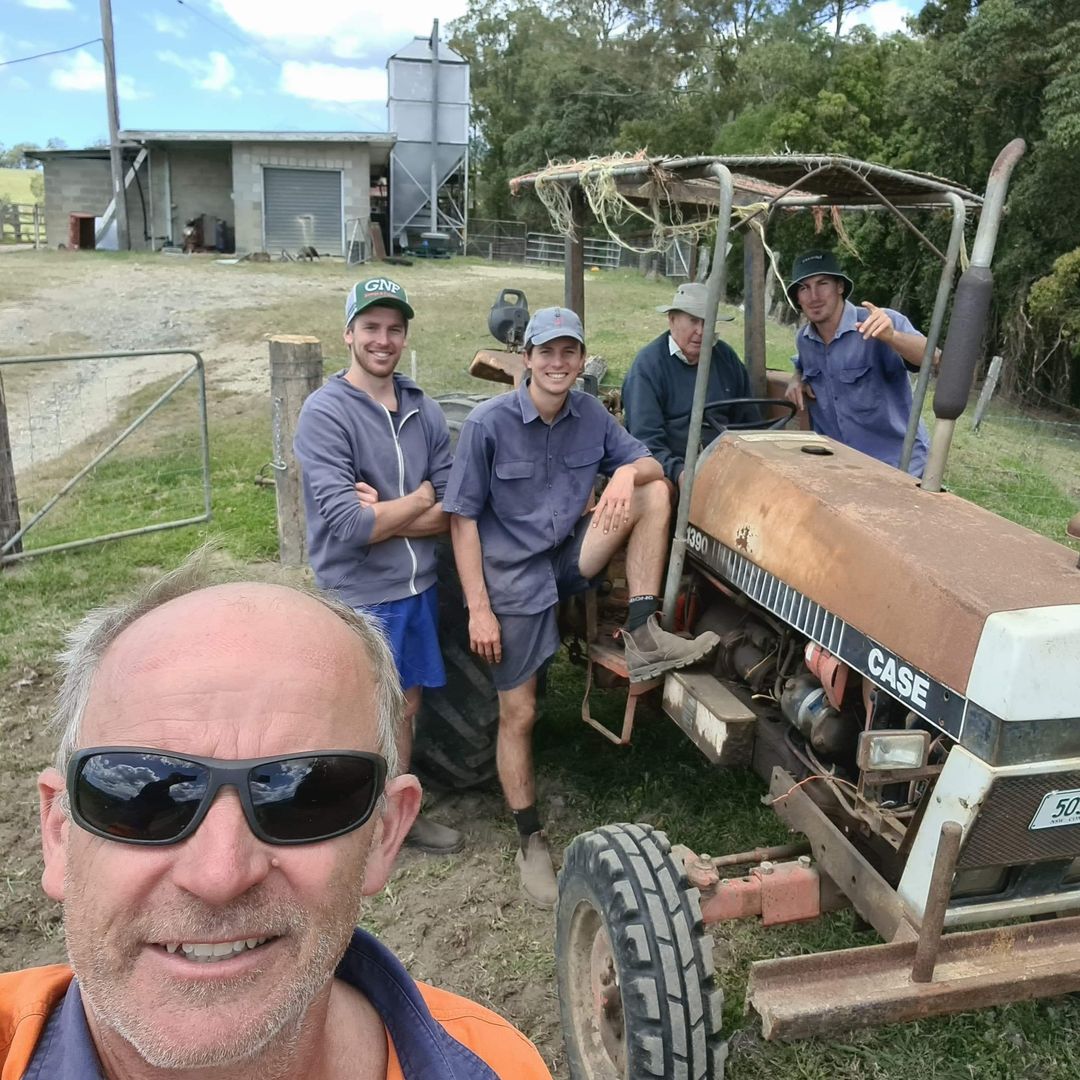
Neil was preparing for another day on the land his family has worked on for more than a century when he began to feel unwell.
“I went to get out of the truck, but I couldn’t stand up properly, I called my wife to say I think I’m having a stroke, but all my words were slurred. It took me about four or five attempts to dial her number,” Neil said.
“It all went downhill within the hour, I started to feel really confused, I couldn’t move my right side and my face started to droop.”
The 59-year-old was taken to Tweed Hospital (NSW) where he received state of the art clot-busting medication via a Telehealth consultation with a Sydney-based doctor.
“The next morning, I woke up and everything was back to normal. It was remarkable. I had all my function back in my righthand side and was completely back to myself,” he said.
“My message to others is to seek help if you think you might be having a stroke. Us blokes sometimes think we’re invincible, no one ever thinks it’s going to happen to them.
“This experience has taught me that time is of the essence when it comes to stroke. You might think you’re fit and healthy, but stroke can happen to anyone.”
When a person has a stroke, brain cells die at a rate of 1.9 million a minute and this is why rapid treatment is so crucial.
Telestroke connects hospitals that do not have stroke specialists onsite 24/7 to remote specialists who can access brain imaging scans, diagnose the patient and recommend the best treatment path.
This ensures treatment to break up a blood clot can begin immediately when appropriate, providing the patient with the best chance of a good outcome.
It’s wonderful to see the NSW Telestroke Service in action. Launch in March 2020, and saving lives across the state. NSW Agency for Clinical Innovation #fightstroke