The Important Role Played by Family in Stroke Rehabilitation.

During the Festive Season, as we spend time enjoying Christmas family reunions and gatherings, a thought crossed my mind about the crucial role that families play in stroke rehabilitation.
It has often struck me that the contributions of families in this context are often significantly undervalued by other stakeholders. That view is erroneous, as to me,my family was/are an essential component of my rehab journey..

Reflecting on my own experiences, I was motivated to delve deeper into this subject. I decided to sit down and articulate my insights in a blog, exploring the various ways in which families can support stroke survivors during their rehabilitation journey.
Stroke, as we are only too well aware is a life-altering event that not only affects the individual but also has a profound impact on their family. Recovery from a stroke is often a long and complex process, requiring medical, emotional, and practical support.

Families play a vital role in stroke rehabilitation, providing encouragement, care, and a sense of normalcy that is crucial for optimal recovery. I hope you find my blog both thought-provoking and informative, and that you resonate with some of the concepts I put forth.

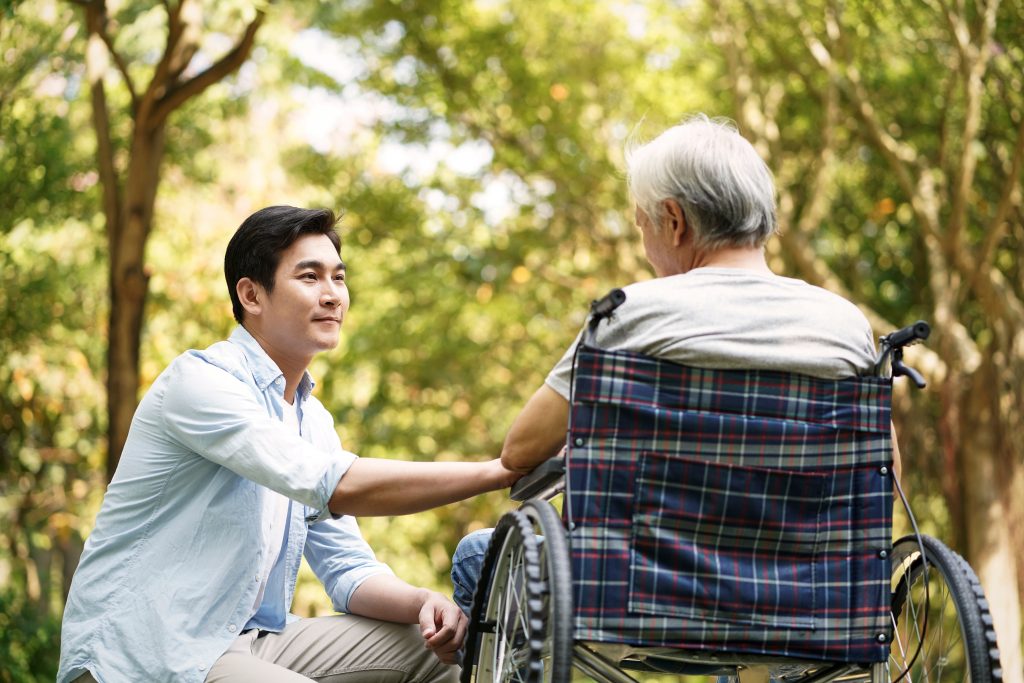
Emotional Support
One of the most significant contributions families make is emotional support. Stroke survivors frequently experience feelings of frustration, anxiety, and depression as they cope with sudden changes in their abilities.Family members offer reassurance, patience, and motivation, helping their loved one to remain positive and engaged throughout the rehabilitation process.
This emotional backing can be a powerful factor in enhancing mental wellbeing and fostering hope during challenging times.
Practical Assistance
Families often provide hands-on assistance with daily activities, such as bathing, dressing, meal preparation, and mobility. This practical support is especially important in the early stages of recovery, when the survivor may struggle with basic tasks.By helping with these activities, family members enable the stroke survivor to focus on therapy and regaining independence, while also ensuring safety and preventing further complications.
Advocacy and Communication
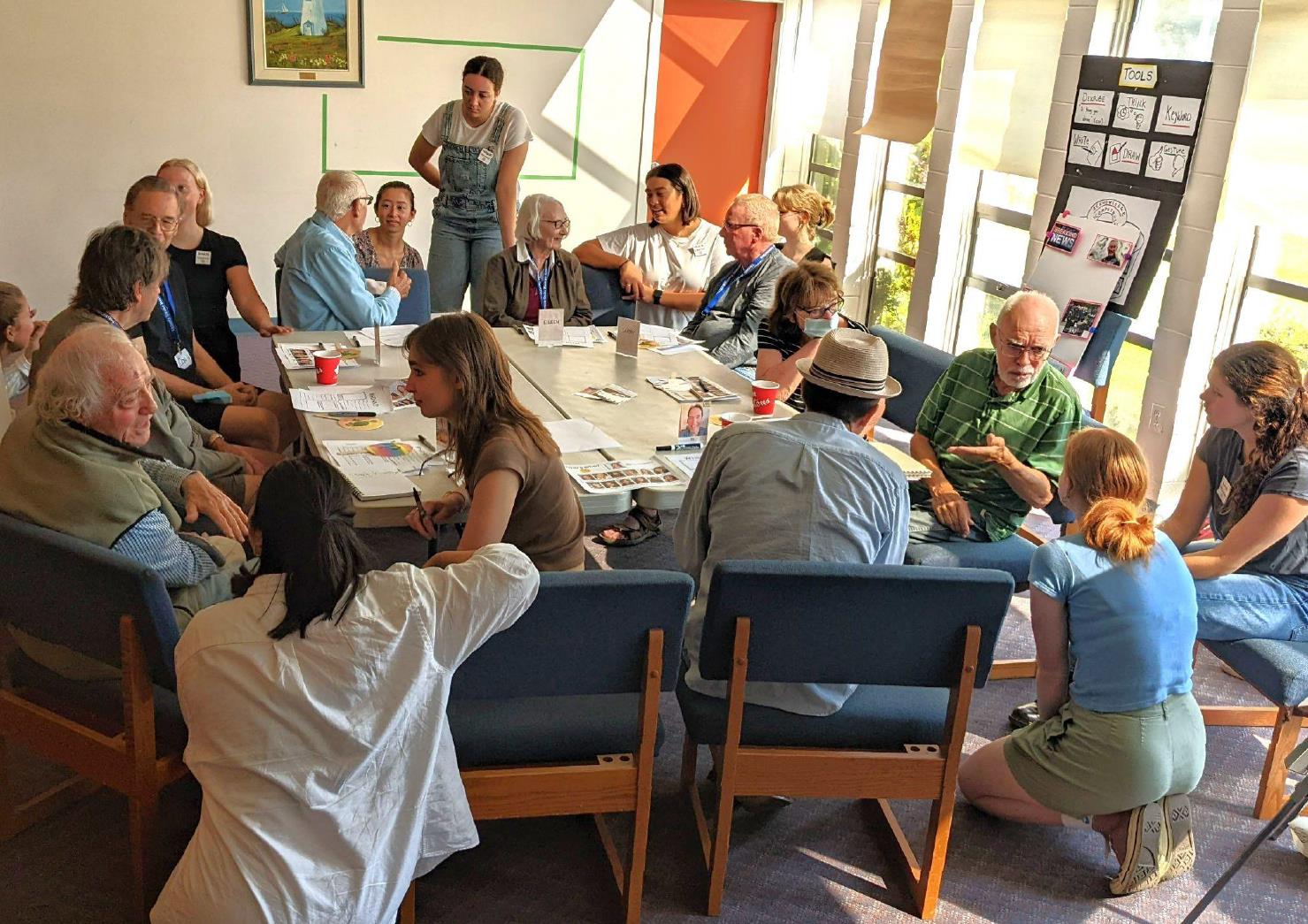
Effective rehabilitation often requires coordination between the survivor, healthcare professionals, and support services. Family members act as advocates, ensuring their loved one's needs and preferences are understood and addressed.
They help communicate with doctors, therapists, and social workers, clarify treatment plans, and monitor progress. This advocacy is crucial for accessing resources and services that can make a significant difference in recovery outcomes.
Encouraging Participation in Rehabilitation
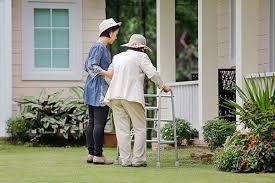
Adherence to rehabilitation exercises and therapy sessions is essential for regaining lost skills and improving quality of life.Families play a key role in encouraging participation, reminding the survivor of appointments, and providing motivation to persist with challenging exercises.
Their involvement helps maintain consistency and enthusiasm, increasing the likelihood of a successful recovery.
Providing a Safe and Supportive Environment
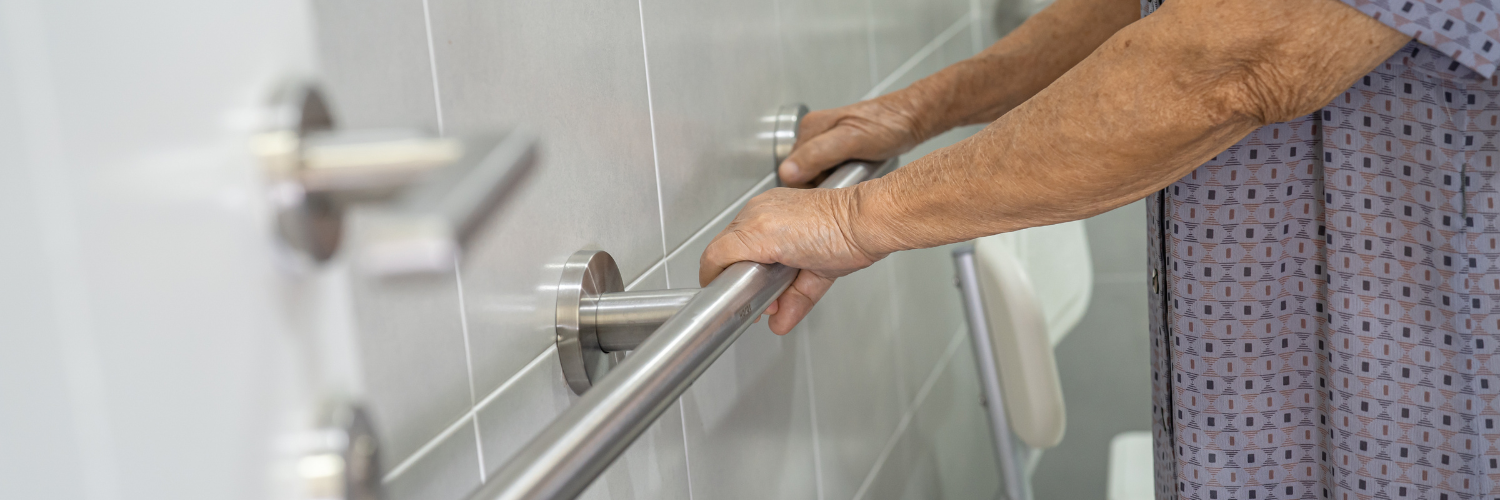
After a stroke, the home environment may need to be adapted to accommodate new needs, such as installing handrails or removing trip hazards. Family members are often responsible for making these modifications and ensuring the living space is safe and accessible. A supportive home environment reduces the risk of accidents and promotes confidence and independence.
A supportive home environment reduces the risk of accidents and promotes confidence and independence.
Assisting with Social Reintegration
Social isolation is a common issue for stroke survivors. Families help their loved one reconnect with friends, participate in community activities, and return to hobbies or interests.
This social reintegration is important for mental health, self-esteem, and overall wellbeing. By fostering social connections, families help the survivor rebuild a fulfilling and meaningful life post-stroke.
Education and Continuous Learning
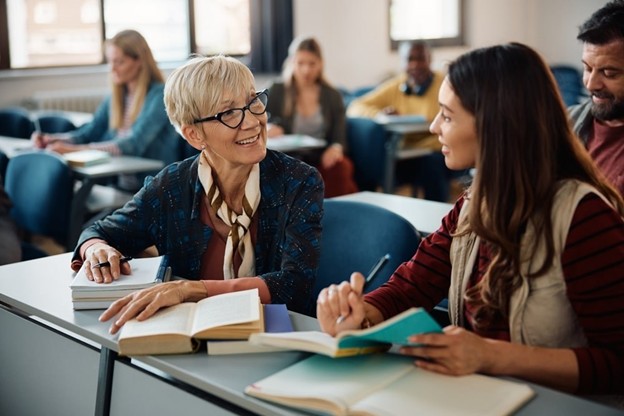
Families often take the initiative to educate themselves about stroke, its effects, and the rehabilitation process. This knowledge empowers them to provide better care, understand potential challenges, and recognise signs of complications or setbacks.

My Thought for Today.
The involvement of family in stroke rehabilitation is invaluable. Their support encompasses emotional encouragement, practical help, advocacy, and education, all of which contribute to a more effective and holistic recovery.
Clinicians – Recognize the strength and influence of survivors' families and use those qualities to support and enhance your clinical efforts. They were \{and still are\} a bulwark in my rehabilitation.
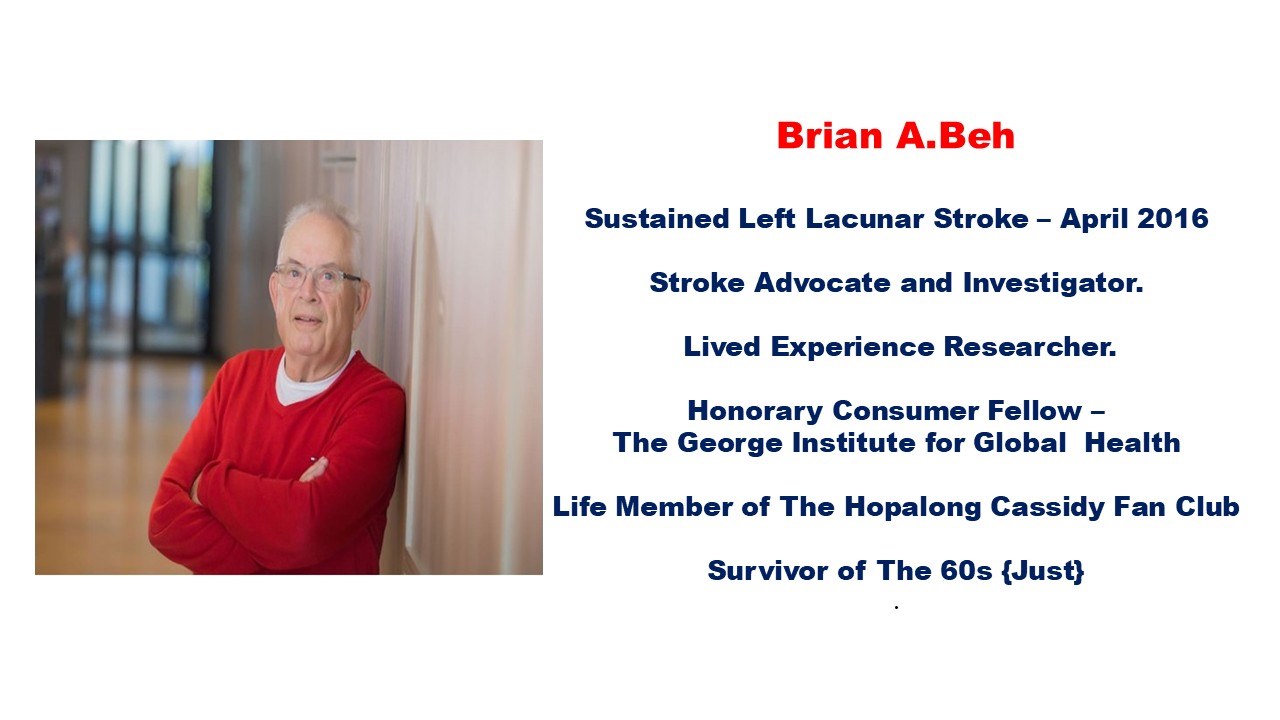
Brian A. Beh.