Highlights of My 2023.

As I approach the final curtain call for 2023, I tend to become somewhat reflective about the activities that I have participated in over the previous 12 months.
It has been a busy year for me, very busy with my stroke and other related activities, including in part webinars, focus groups, clinical trials [as an investigator and consumer- both here and the UK].
What has also been immensely pleased is that my involvement in this field has now broadened into other aspects of medical research – my blog "The Downstream Effect of my Stroke “outlines this growth in participation.
Lecturing to Student Clinicans
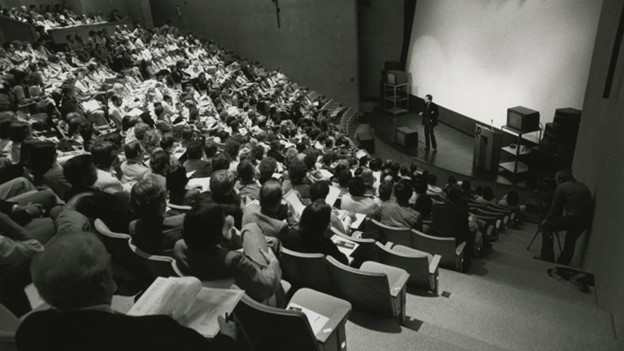
.One activity that stands out to me in 2023 is an activity that gives me a great deal of satisfaction - addressing student stroke clinicians about my Lived Experience- my stroke story, the highs, and lows, plus it gives me a great opportunity to integrate my insights and learnings, based on my corporate background into my lecture.
Enough background, Gang- what I recall about these lectures at several Australian universities is the questions that I was asked, which demonstrated to me a high level of thinking and intelligence on the part of future stroke clinicians.
Doctor Simone Dorsch.

I have spent the past seven years talking to approximately 1,000 student clinicians. This activity commenced in 2016 when I was invited by Dr. Simone Dorsch to address her physio students at the Australian Catholic University, North Sydney about my Stroke Story. I now speak at 3 other universities in Australia.
In 2024 I have been invited to address students (via ZOOM, unfortunately) at the University of East Anglia, Norfolk UK, where I am an investigator in a clinical trial.
For my lectures I utilize a PowerPoint presentation for approximately 45 minutes followed by 15 to 20 minutes for questions- such is the reaction we always go over time.
So as an end of year blog I would like to detail the questions [and my response] that made me stop and say to myself “What a great question”!
Here goes, Thrill Seekers and Fellow Time Travellers..

Question "You have mentioned that as a result of your stroke you changed in some ways, however did you find that your family and friends changed towards you?"
A good question that requires an honest answer!
Yes, In relation to my family most definitely - I, at the time of my stroke had been married for 45 years, so I was a bit like “grandmother’s chest - of-drawers”, solid, reliable, always there in the corner\{figuratively speaking] and my family to be told on the night of my stroke by the doctors ’ he may not be going home” certainly changed their attitude towards me!
Don’t misunderstand me, I was a happy camper in my then current life, we had a happy household
The initial result when I arrived home (after 4 months) was to go to the other extreme- to try and wrap me in cotton wool, baby me- which was something I didn’t want- a perfectly natural result on their part. After a period of negotiation, we developed a happy medium
What was the most difficult challenge you faced in rehab?
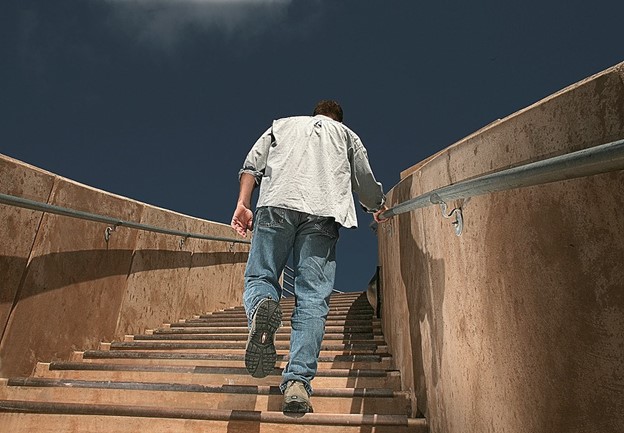
Without a doubt. It is learning to walk again.
I had that task as the primary objective of my rehab plan. We take walking for granted, it is something we learn in childhood when the brain is functioning normally- but as a stroke survivor, when you are forcing the brain to find a new pathway to your right side it is a monumental challenge.
It was clearly the hardest challenge I have faced in my life. But I overcame it – with a plan and some amazing physios in Bankstown Rehab gym.
Was it hard having to learn to walk again?
Learning to walk again was one of the hardest tasks that I have had to undertake during my rehab, in fact in my life. And yet it would appear to the uneducated eye so simple- it to me demonstrated the complexity of human experience.
As clinicians [students] you are aware, that (to me anyway) the process began by breaking down what was formerly an instinctive act into a series of interrelated steps/stages., the focusing on those steps
After some 6 weeks of doing those routines (sit to stands, thousands of repetitions on the knee extender, building up my strength in my damaged right leg, stepping) I was ready to take my first steps.
Picture the scene of me with a physio with my wheelchair behind me, one beside me and one in front in case I tumbled. And I managed to shuffle about ten metres.
After that momentous day, there was no stopping me-I had made an objective to walk out of the gym on my discharge day, and with the skill of some amazing clinicians,
And I DID.
Because you are so driven did you ever have to scale back your rehab or were you ever told you were being unrealistic in your rehab plan?
No, never.
Yet on several occasions I was confronted with a degree of skepticism by the doctors about my rehab objectives, for example I was told by a doctor that, in his words “It is highly unlikely you will ever walk again”
When I announced in my first week in rehab I would walk out on discharge day, that was met with a degree of derision. Yet I proved them wrong. I refused to allow their attitudes to temper my motivation to overcome my deficiencies.
Were you worried about whether you would survive your stroke?

That is a good question and requires an honest answer!
No, I was not worried at any stage of my treatment/rehab- in the ambulance; in the ED or when I was transferred to the Stroke Ward. I was in no pain, the treating doctors in the ED were calm, professional.
Nothing seemed to make sense-Armageddon was happening in my skull, yet I was unconcerned as I lay on the bed with a crowd around me. I knew I was having/had a stroke, but it did not mean anything at that time.
I hope that makes sense, I said to the student.
You are involved in a lot of research activity surrounding stroke. Is this satisfying for you?

Good question, yes, it is very satisfying for me, it is part of my Giving Back strategy whereby I attempt to repay those clinicians who helped put me back together again after my stroke.
Currently I'm involved in nine research projects, clinical trials both here and in the UK.
And a pleasing aspect is that I'm now being invited to be involved in clinical activities outside the scope of Stroke where I can put my corporate experience to even greater use. I talk about this in my recent blog 'The Downstream Effect of My Stroke”
Your blogs are very interesting, and do you have a Favorite? How long have you been writing- you seem to have a talent
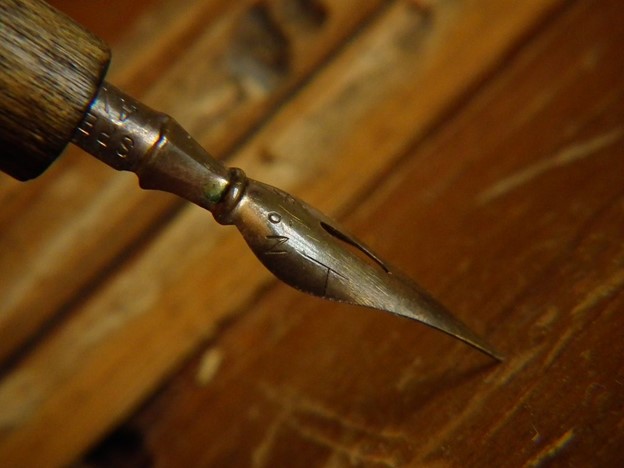
Thank you, I am glad you enjoy them- most of them are stroke related and detail my journey, my learnings, and insights, so that stroke survivors and clinicians can learn something from my Lived Experience - that sounds a bit presumptuous on my part. but it’s not meant to be!
In terms of a Favorite, that difficult, because at the time of writing the one I am creating was my Favorite, but after some thought, I would have to say the one titled "My Desire for Solitude is special for personal reasons. Followed closely by “A Long and Winding Road’ and the poem” Friends of My Morn”
I started writing poetry when I was about sixteen, the odd essay and have had several published eons ago. Since I retired and my stroke it has become a significant and relaxing pastime.
Music is also important in your life - Am I correct?
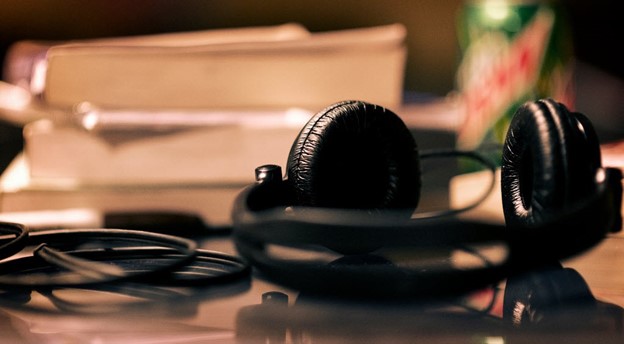
Spot on! Music is particularly important; it gives me the opportunity to drift away for a while, helps me relax whilst I write. I have an eclectic taste- from the British Invasion of the sixties, opera and at this very moment I am listening to some amazing Russian Choral Music.
My Favorite contemporary is Robert Zimmermann, (AKA Bob Dylan), my Favorite classical piece is Beethoven’s Pastorale Symphony.
Has the stroke changed you and if so in what way?

The stroke has definitely changed me.
Firstly, my lifestyle -I have discarded/eliminated what I would term high risk behaviors smoking, I was a heavy smoker, 20-30 cigarettes per day; I no longer drink sugar-based drinks [previously 3 - 5 cans of coke per day, I now consume approximately three litres of water per day.
I now have one coffee when I wake, as opposed to several during the day pre stroke, which were described as having the ability to euthanize a rather large farm animal.
I have spoken about my walking routine- 12 to 15 kms every day and having integrated my rehab routines in my everyday life.
I am fitter and healthier than I have been for years!
As a person, I like to think I am more patient, less arrogant, driven and demanding. I am now aware of the consequences of having a sharp, sometimes sarcastic demeanor on my workmates and fellow acquaintances. A lapsed workaholic is one description a mate whom I respect described the Post Stroke Brian.
So, in short yes, I have changed and for the better
You mentioned that you have changed spiritually as a result of your stroke? Please explain.

That is an exceptionally good question and as I promised to answer all the questions I shall explain. I grew up in a traditional Anglican home and like many of my generation rejected during my teenage years the teachings of this church
Since my stroke I have become aware of the fragile link between this life and whatever lies beyond it and as a result of my medical episode I've become more curious about the answers.
As a result, I'm looking towards the Eastern faiths and Judaism as a means of obtaining the answers to my questions.
Readers of my blogs will often see me say ‘To keep moving towards Enlightenment because that's where the answers do bide” I believe that.
Thank you for that question. I really appreciated the opportunity to talk about it as it was a definite residue of my stroke.
You mentioned in your talk today that you were a child of the sixties. What does that mean and how did it impact you?
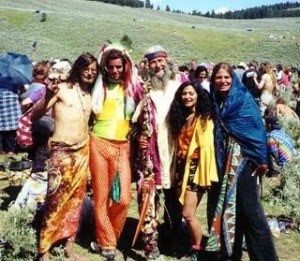
The sixties. [from 62 to 69] was a time of profound change for teenagers, but it's not only music, fashions social attitudes, the growth and realization that young people were a force to be reckoned with in this world
You must recall that much of society was very conservative and strait laced. I must admit thrill seekers and fellow time travelers for a young lad growing up on a dairy farm in the Hunter Valley, I embraced it totally.
I'm not afraid to admit I smoked those funny cigarettes and unlike many politicians who claim otherwise I inhaled and as a result experienced some amazing sunsets on Newcastle beach after a day's surfing in the mid to late sixties
Looking back, I would not have swapped it for any other generation or the experiences of that. These days made me the person I am today -slightly irreverent and tilting at the odd windmill
Thank you for the question.
How do you still stay motivated seven years after your stroke?
That is a question that I have been asked several times previously. Once I realized [early on], that the rehab process would be quite long, I adopted a ‘marathon’ mindset - what that means is that I set myself some long term, realistic, relevant, and measurable rehab objectives. Then I settled in for the long run. And it seemed to have worked.
My blog ‘My long and winding road’ outlines the time frames involved. As you can see Thrill Seekers and Fellow Time Travellers, I am quite a ‘numbers nerd’
Remember nothing is more motivating than PROGRESS - To see you are getting stronger, fitter, able to do those tasks that were rudely stolen by the stroke. That's what has kept me motivated
Do you ever worry about having a second stroke?
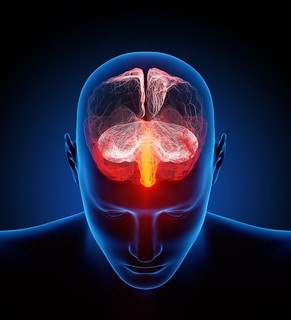
I now exercise and enjoy a Stroke friendly diet and importantly I have a stroke friendly mental attitude I have realized that I you cannot eliminate the chance of a second stroke, but I have reduced the chances of it occurring.
Do you often think what your life would have been like if you hadn't had the stroke?

My daughter asked me this question some weeks ago and my answer was now I have accepted my post stroke life and look forward to the rest of my days. I have accepted the fact that I cannot drive so I use public transport.
So rather than looking back I look forward to the future- much healthier! The past is past; you cannot change it; but you can learn from it.
Can you tell me about your “special place” that you often go to?
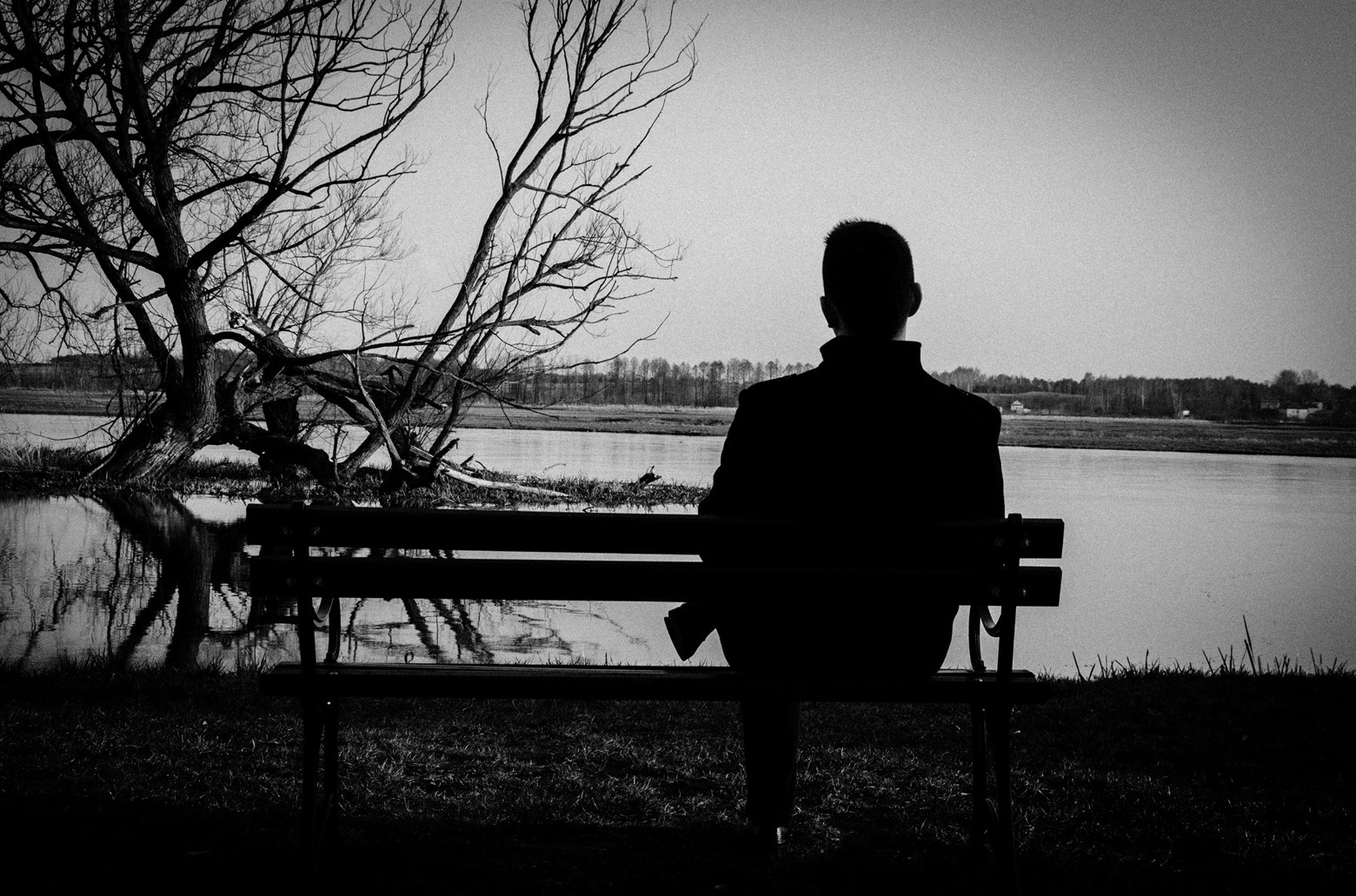
This question came from a reader of my blog, in which he told me about his special place, where he practiced Pilates.
My special place is a bench in a park on Lambert Ave, Panania. On my afternoon walk I will go and sit by myself on this bench for about 45 minutes.
It's where I isolate myself to a certain extent from the business of the day; the noise of suburbia and just focus, on what's going on in my head.
Be it a task or some of the many strokes’ projects/a blog or poem that are swirling around in that creative morass I sometimes call my brain.
Sometimes I will play a mental game called “What If” on various events- near and far.
It is that little break that we take where we can be with ourselves. I highly recommend it is very therapeutic and then at the end of it I get up I go back into my reality.
What makes a Good Stroke Clinician?
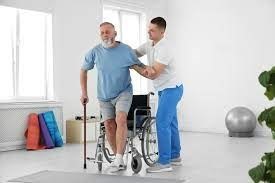
I was lucky - the interaction with stroke clinicians in Bankstown hospital was exceptionally good. What made them good? Well for a start they were always there on time ready with my rehab every morning with a smile and a” Good Morning”.
We spent 5 minutes gossiping about football or some other topic which was all good and helped build the rapport.
Then when we got into the rehab schedule itself, they were professional, they adhered to the plan that we had agreed on.
They ensured that I did all my exercises, stroke repetitions in accordance with my rehab plan; they continually gave me feedback and encouragement; and the end of the day both parties went our separate ways knowing that we were achieved that day’s targets
You talk a lot about Lived Experience-Why is it so important to you.?
Again, another question following my blog on Lived Experience the perfect trifecta. Anyone who has attended my lectures or read my blogs should be aware of the role that Lived Experience plays in stroke research
Any stroke research undertaken with an absence of Lived Experience runs the risk of being a theoretical talkfest.
I may be naïve with this statement but the longer I work with clinicians and researchers the stronger my passion for the involvement of Lived Experience.
For me there are no better examples of this philosophy in action than Doctor Simone Dorsch from the Australian Catholic University, North Sydney, a Director of StrokeEd, a clinical collaboration and Professor Coralie English, University of Newcastle [Australia\}, a leading stroke researcher.
I have had the pleasure of working with these outstanding people- in fact it was a chance invitation from Simone in Bankstown hospital to address her physio students at the ACU in 2016 which was my introduction into Lived Experience- the rest as the adage goes is history!
Yes, Lived Experience is important always was and always will b
When you were being taken in the ambulance to the hospital were you scared or worried? Did you feel any pain?
No, I did not have any pain at all. I just had no strength in my entire right side, I could not talk
it was like an out of body experience.
During my trip in the ambulance the paramedic told me that “when you get to the hospital you are going to be famous” meaning that there would be a lot of people around me in the Emergency Department however he said “Don't worry there all they are all going to help you get through this ”“You’re lucky you're going to Bankstown hospital- It is one of the best in the business for the treatment of stroke”
When I arrived, it was like he described, I was floating in and out of consciousness and to me it was the perfect example of organized chaos
I remember certain parts of it - going for the scan, being injected with the Clot Buster and then I woke up in Intensive Care, where I spent 3 days.
Incidentally, my BP peaked at 228/182 – a record which I would rather not have!
Has the Stroke changed your attitude to your mortality?
This question was asked by a close friend whom I had not heard from for several decades but had recontacted me after they had heard of my health episode
I must admit that it did set me back on my backside because it was not something that I would have been expecting to be asked. In truth I did think about it privately, so I will share with you the exact answer that I gave the person involved
In terms of close shaves, I've had three of them in my life.
The first was when I was eight years of age, I had a serious accident on a tractor on the farm I fell under the rear wheel of the tractor and the tread scraped my skull to the point that I have tyre tracks indented in my skull and a distinctive scar on my left hand.
The second time was in 1988 when I was working at about 150%, I had an episode with my heart and the third time was a stroke in 2016.
The first one I was too early to appreciate what happened; the second time I was too busy to understand the ramifications and ignored it.
But the third time was different.
It made me realize how tenuous our hold on life is hence I guess the reason I have become so committed [ some people say addicted] to my rehab is I've run out of chances, so I don't want to chance my luck the next time
Until Next Time
And finally, as in previous years, the people that I have met along my journey are a true highlight.
This year I composed a blog: The Achievers of Stroke" as a tribute to Stroke Week 2023. It is my tribute to the amazing people I have met, come to know and respect on my Stroke Odessey. Their support and interaction was a true highlight of my year.
Brian A Beh - A Stroke Survivor.
.