The Power of Collaboration in Co-Design for Stroke Rehabilitation. A Stroke Survivor’s POV.

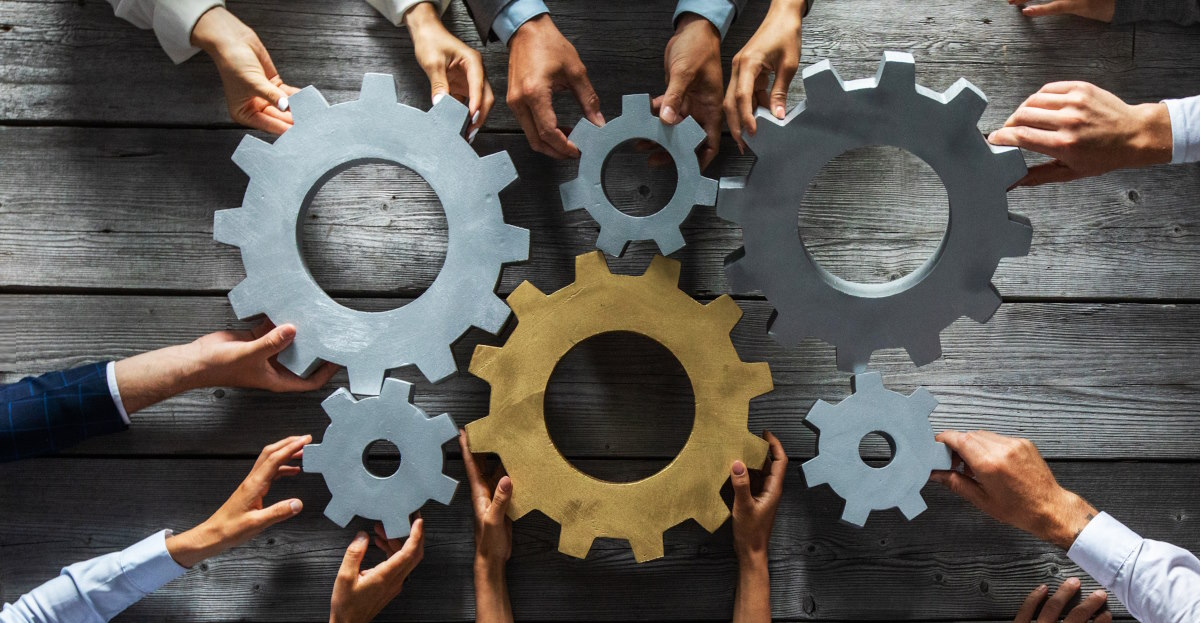
Thrill Seekers and Fellow Time Travellers, Stroke rehabilitation is a complex and multifaceted journey, requiring a tailored approach that meets the unique needs of each individual.
No two strokes are the same.
Co-design, when clinicians, Stroke Survivors, Carers, and Researchers collaborate to develop solutions plays a crucial role in ensuring effective and patient-centric rehabilitation strategies.
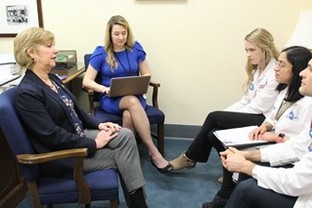
Enhancing Patient-Centric Care Through Collaboration.
Traditional rehabilitation programs often follow a standardized approach, but as we are aware stroke recovery varies significantly from person to person.
By involving Stroke Survivors and their families in the design of rehabilitation plans, healthcare teams can create more tailored and relevant rehabilitation plans.
This collaborative approach empowers stroke survivors, giving them “buy in” into their rehabilitation thereby ensuring that the strategies fulfil their Post Stroke lifestyle and goal.

Driving Innovation in Therapy and Assistive Technologies.
Stroke rehabilitation benefits immensely from interdisciplinary collaboration, particularly when designing new therapies or assistive technologies.
When physical therapists, neurologists, engineers, and patients work together, the resulting solutions—whether robotic rehabilitation devices, adaptive tools, or tailored exercises—are more likely to be both effective and user-friendly.

For example, co-designing AI-assisted rehabilitation software with input from Stroke survivors can enhance usability and improve engagement in rehab sessions.
Currently I am involved in several projects in this space and Gang what is on the drawing board is exciting.
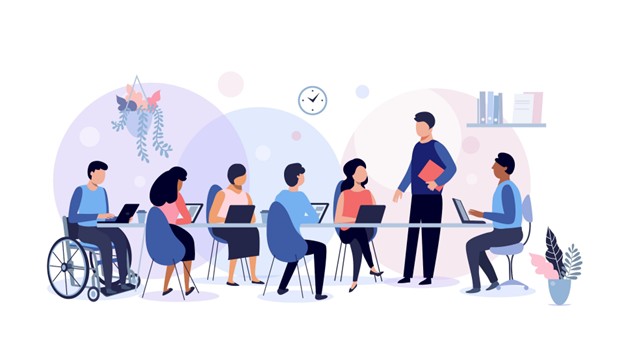
Improving Accessibility and Engagement.
A major challenge in stroke rehabilitation is ensuring Stroke Survivors remain engaged and motivated throughout their rehabilitation program.
Collaborative design helps address this by incorporating feedback on what makes their rehab plans more engaging, accessible, and comfortable.
Stroke survivors and carers are able to provide valuable insights into factors such as ease of use, fatigue management, and emotional support, ensuring rehabilitation programs are sustainable and realistic.
Stroke rehabilitation isn't just about the physical processes—it also involves psychological and emotional healing. Co-design fosters strong connections between survivors, carers, clinicians, and community support groups.
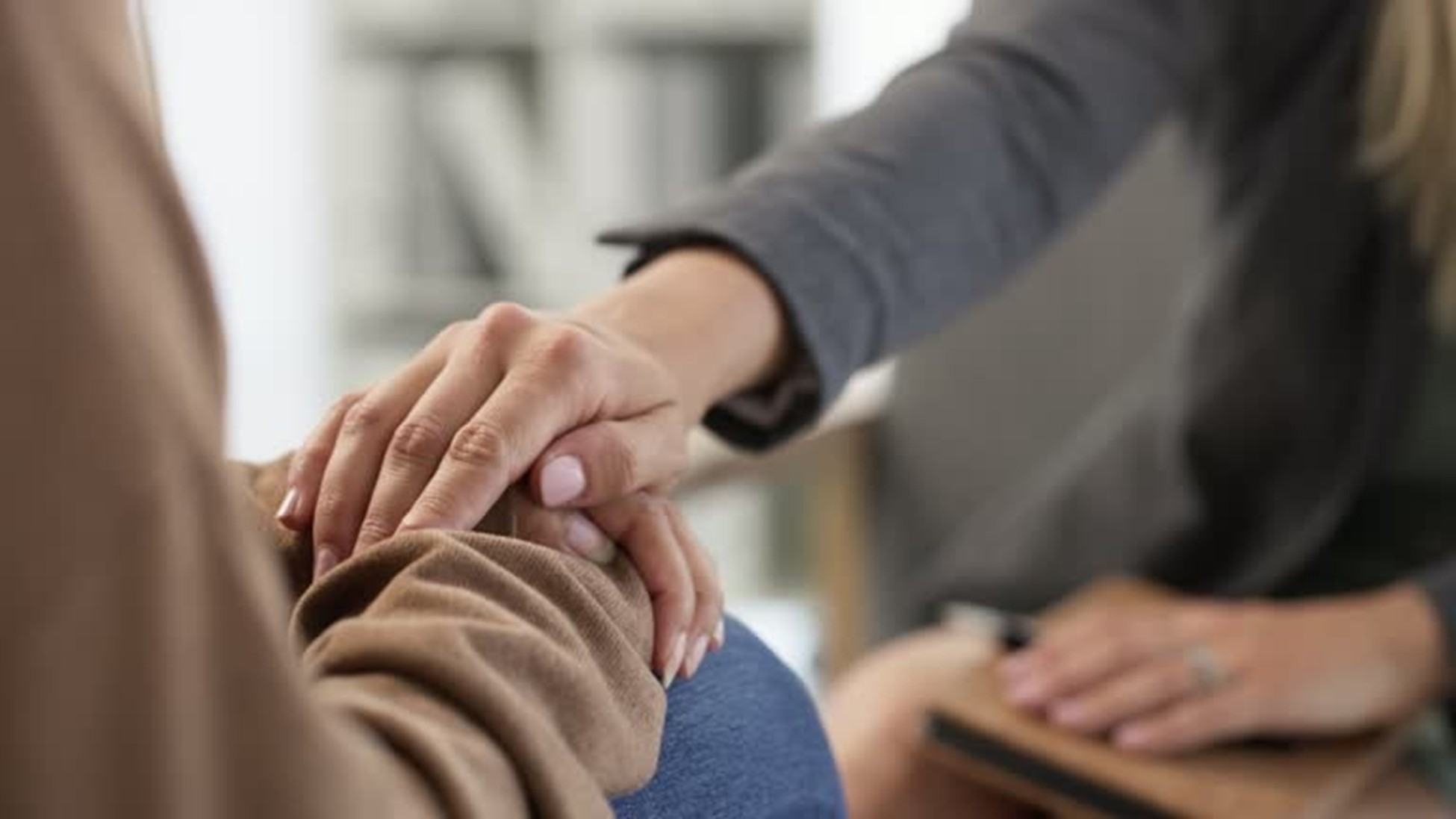
This network enhances and fosters a sense of emotional well-being, reduces feelings of isolation, and in many instances promotes long-term adherence to rehabilitation programs.
Collaborative initiatives, such as peer-led support groups or co-designed mental health interventions, will further aid recovery by acknowledging the social and emotional aspects of rehabilitation.
My Key Messages
Collaboration, in my opinion is the foundation of successful Co-Design in Stroke rehabilitation.
By uniting Survivors, carers, and medical professionals, co-design ensures that recovery solutions are inclusive, innovative, and adaptable to individual needs.
As technology and rehab strategies evolve, embracing collaborative approaches in stroke rehabilitation will continue to shape more effective and compassionate treatment strategies.
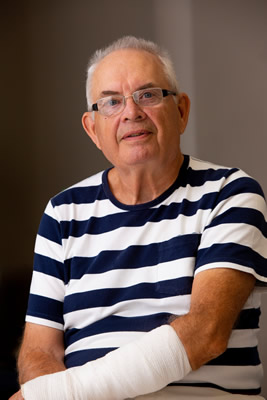
Brian A Beh. - A Stroke Survivor and Collaborator.