The important Role That Family Can Play in Stroke Rehabilitation - Fostering Hope, and Building Resilience

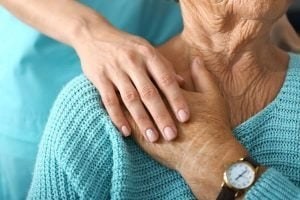
Stroke is a life-altering event that can change the course of an individual’s life in a nano-second! My stroke in 2016, was indeed a major “Road to Damacus” event in my life as many who have been following my journey are aware
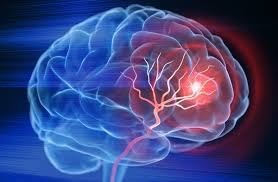
The role of my family became critical in my post stroke life which has caused me to focus on and discuss the important Role That Family Can Play in Stroke Rehabilitation.
While medical interventions and professional rehabilitation are critical to recovery, the role that family plays in the process cannot be overstated, but sadly in many instances it is not given the due credit it deserves.
I have mentioned this topic in all my lectures that I give throughout the Stroke landscape.
Families provide not only physical support but also emotional strength, encouragement, and motivation, all of which are essential for successful rehabilitation.
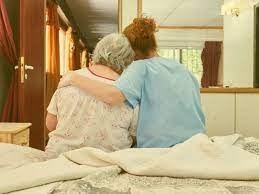
My blog explores in depth how families can positively influence stroke rehabilitation, the challenges they may face, and the strategies that can maximize their impact.
Family -- Cornerstone of Emotional Support.

One of the most significant contributions families make is providing emotional support. The aftermath of a stroke can be emotionally overwhelming, with survivors facing uncertainty, frustration, and fear.
Offer reassurance and encouragement.
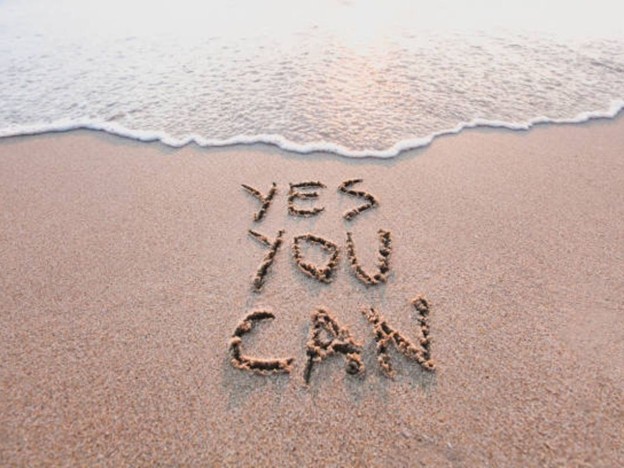
They can\{and do\} help the Survivor stay hopeful, even when progress is slow.They can reignite a survivor's spirit with a kind word coupled with the power of a hug.
Validate the survivor’s feelings and frustrations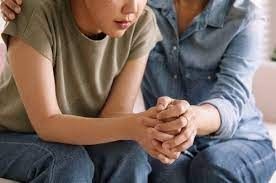

Encourage participation in social activities.
This will assist to combat a feeling of isolation and depression, which are sadly, common after stroke.
Provide a sense of normalcy and routine.
This can create a feeling which can be comforting and stabilizing.
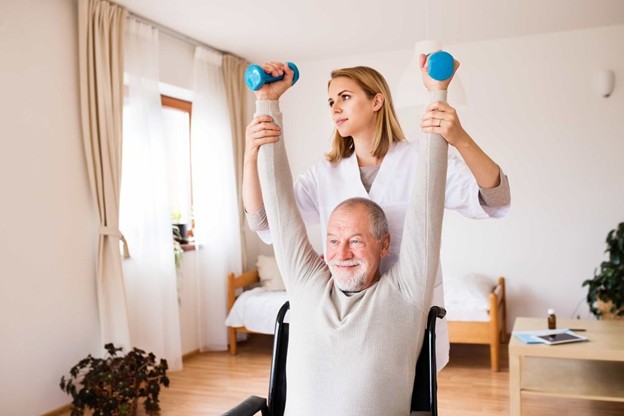
Facilitating Physical Rehabilitation.
Physical recovery after stroke often involves rigorous rehabilitation exercises, which can be challenging to maintain. Family support is crucial in assisting with prescribed exercises at home.
A very important role which ensures that rehabilitation continues beyond clinical settings.
Enhance safety and accessibility, such as installing handrails, ramps, or non-slip mats.
Advocacy and Communication with Healthcare Providers.
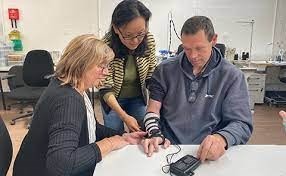
Family members often act as advocates, ensuring that the survivor’s needs and preferences are communicated clearly to healthcare professionals.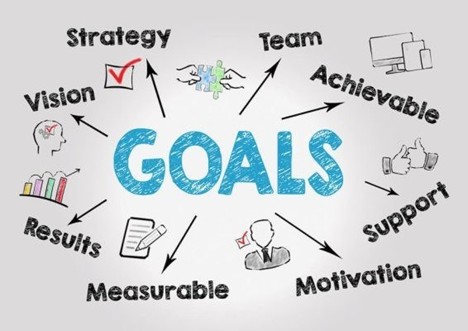
Setting and achieving goals is a central component of stroke rehabilitation. Family members can help set achievable, meaningful goals that motivate the survivor to persist with therapy.
Recognize and celebrate progress, no matter how small, to reinforce positive behavior.

Assist in tracking progress, keeping records of achievements and challenges to discuss with professionals.
The journey of stroke rehabilitation is rarely a solitary path. While medical professionals guide the process and provide specialized care, families are the heart of daily support and motivation.
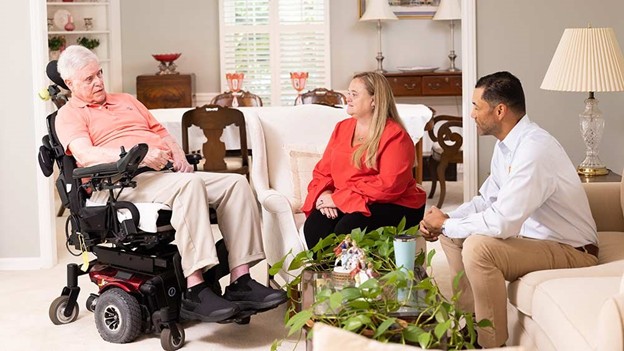
Through emotional warmth, practical assistance, advocacy, and ongoing encouragement, the family’s contribution can mean the difference between stagnation and meaningful recovery.
By embracing their vital role, seeking support when needed, and approaching challenges with compassion and resilience, families not only aid their loved one’s healing but also foster their own growth and connection during a profoundly transformative time.
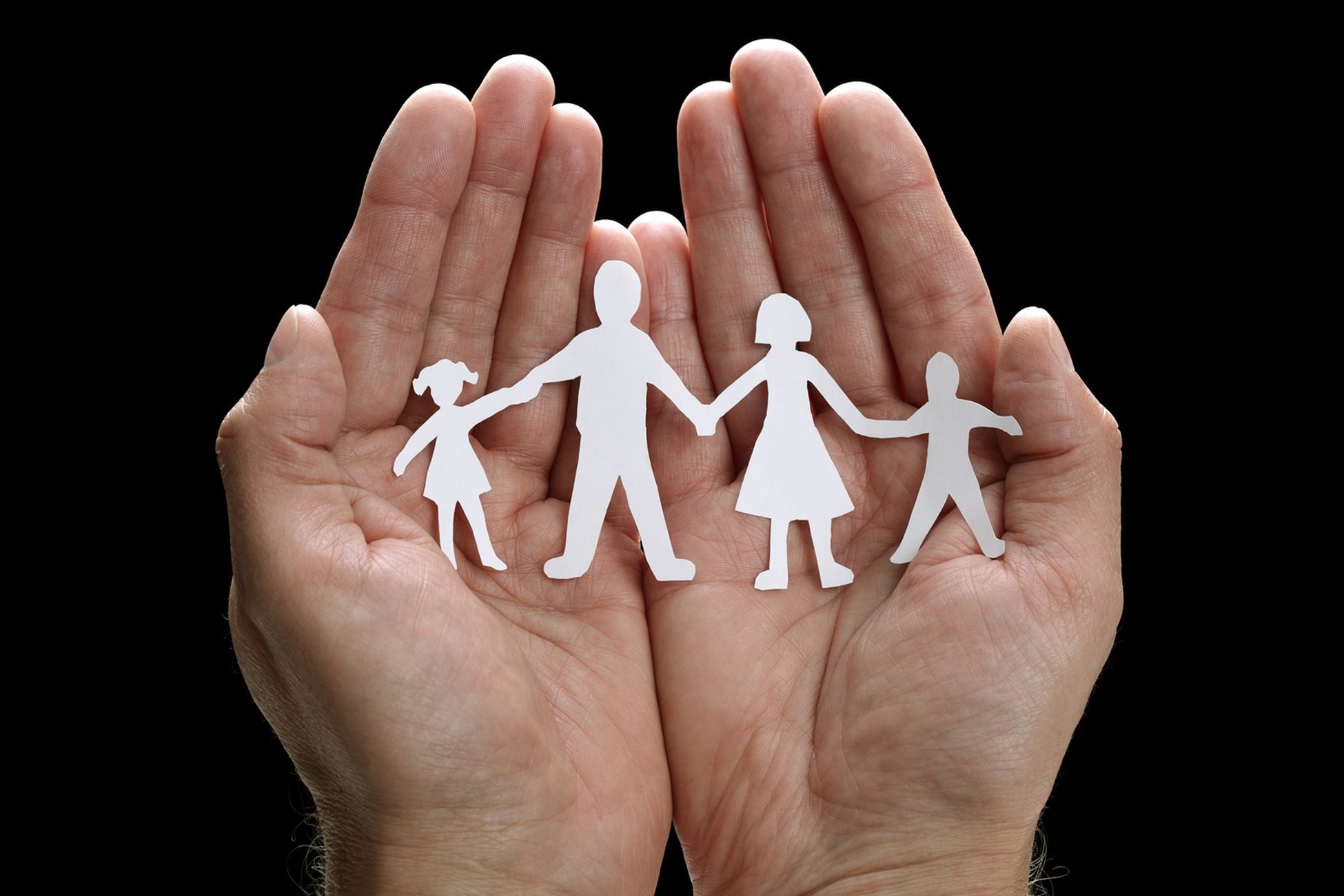
In the tapestry of life, few threads are as enduring or as vital as the bonds that tie a family together—bonds that reveal their true strength not in moments of ease, but in the crucible of adversity.
When hardship strikes, whether in the form of loss, uncertainty, or unexpected challenges such as stroke, it is often the unwavering support of family that becomes a lifeline.

In times of adversity, family bonds become a wellspring of hope and resilience, reminding us that together, we can endure and overcome even the most daunting trials.

Brian A Beh-A Stroke Survivor and Family Member.