We do not want to roll the dice again!

By Rishana
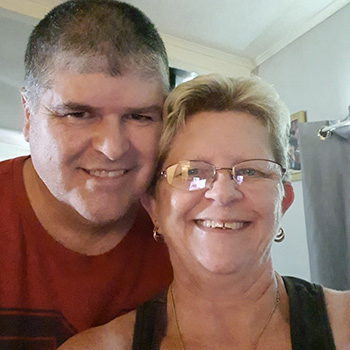
It’s been 14 years since my husband Graham had a stroke and life has never been the same for either of us. As we head towards our 35th wedding anniversary, I wanted to share our story because I am so passionate about doing all I can to help people who live in regional Australia, like us, get the treatment and support they need after stroke.
On the day of Graham’s stroke, his morning started the same as each one before. While brushing his teeth, Graham dropped to the floor and half of his face began to droop. Thankfully having experienced a stroke myself a few years prior, I knew exactly what was happening and within moments had triple zero (000) on the phone. It was an agonising three hours before a locum arrived because we are based in regional Queensland. By the time Graham was flown to a hospital in Brisbane, it had been nearly seven hours since that first call.
Unfortunately, it was too late to deliver the treatment Graham needed. He suffered significant brain damage, turning both of our lives completely upside down. I became Graham’s full-time caregiver. Before Graham’s stroke he worked long hours in the mines, he was incredibly active and good with his hands. The stroke facilitated a huge lifestyle change that neither Graham or I had ever anticipated.
While Graham has made improvements and briefly returned to work, he has also experienced a number of TIA’s (trans ischemic attacks) and stroke-related seizures throughout the years. I am fearful he could have another big stroke. On top of that, I worry that despite over a decade passing, the systems and protocols in place to diagnose and treat people with stroke in regional Queensland have not improved.
Making a decision to act, we have since taken these concerns into our own hands uniting stroke survivors and their families from our community to call for Telestroke to be rolled out in Queensland. This would make a difference now and into the future.
It should be here. We should not have to wait for it.
Absolutely nobody who suffers a stroke should have to wait for treatment. Faster response times can save lives and prevent disability. Access to transportation, treatment and doctors saves lives and prevents disability. Yet, 14 years on from my husband's first stroke, times have not changed, but they can.
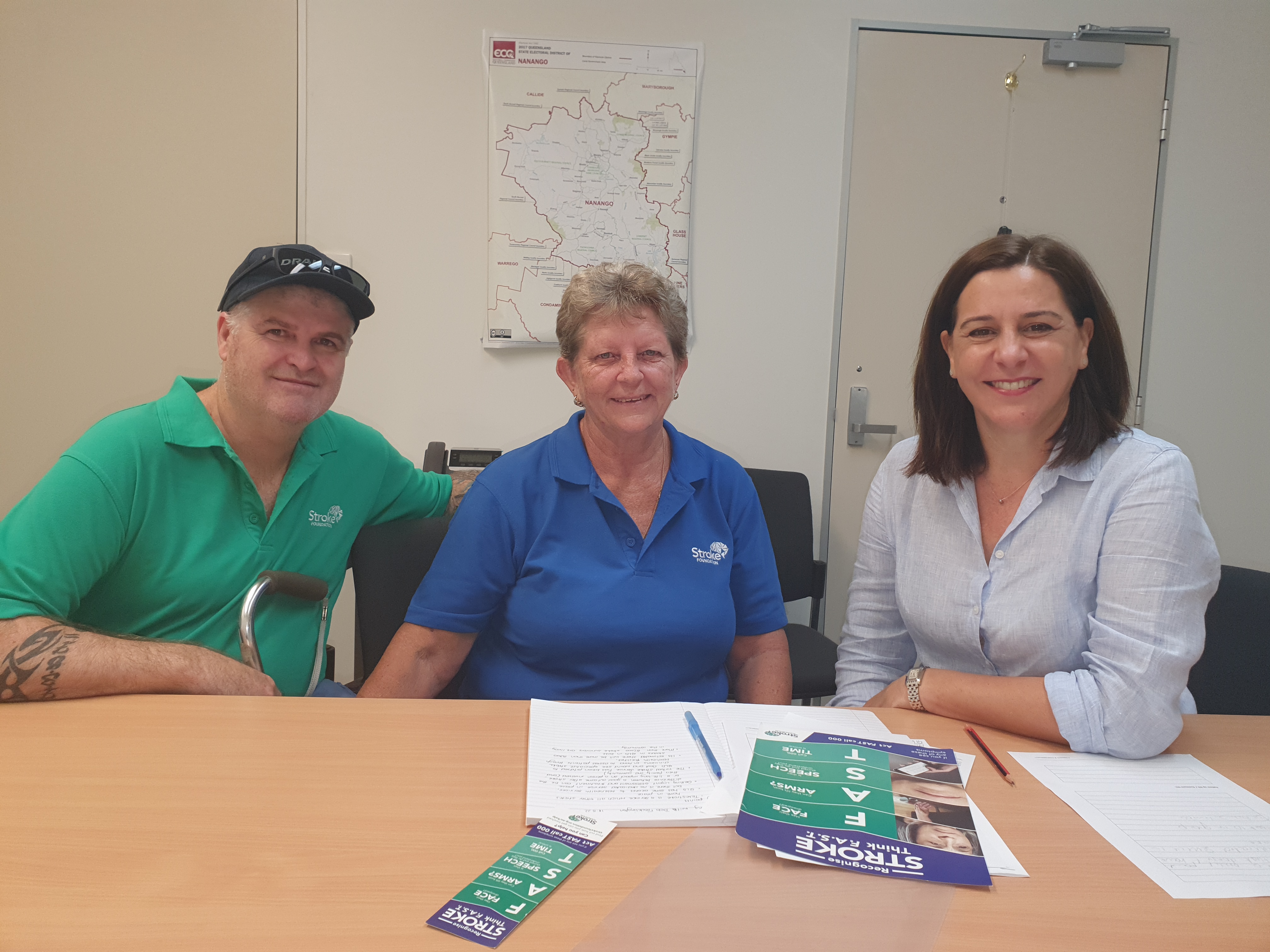
So now we need to make some noise, starting with community meetings with those from Nanango to Kingaroy and all across regional Queensland. My group wants to shine a light on the cracks in the Australian healthcare system. It is a big task, but we are determined to get results.
If you would like to learn more or find out about the community support we provide, please connect with our South Burnett Stroke Support Group.