Do Your Groundwork: Bob Carey-Grieve's Advice on Starting a Stroke Support Group

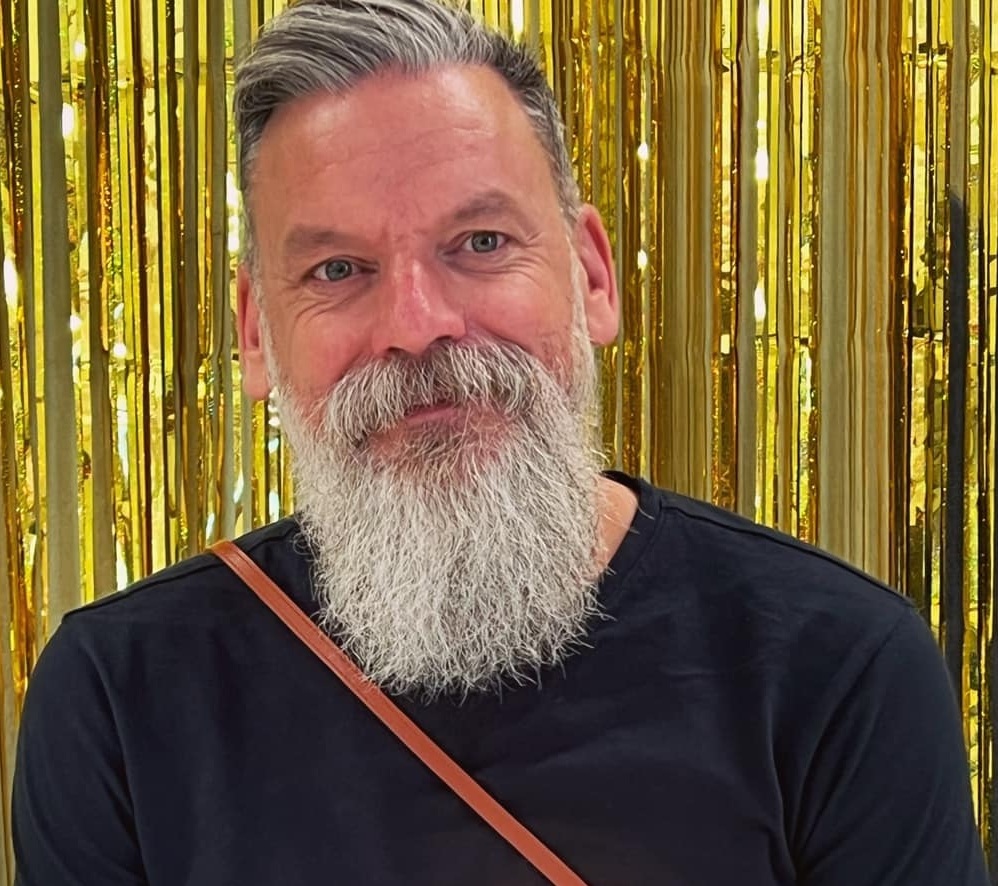
What inspired you to start a stroke support group?
What inspired me to start my group was having had a stroke myself.
I found it very difficult to actually talk about what had happened to me afterwards.
People kind of go, “Oh, you're looking good, you look well, I'm glad you got over that thing” and everyone moves on.
It was very difficult to discuss with anybody because people have moved on and you feel like you're a little bit alone in the world. But psychologically you haven't at all, it stays with you, and it scars you quite deeply and it's something that you're going to carry around.
And it just struck me - I'm sure there's other people out there who are just sitting dealing with this on their own and not feeling like anybody gets where they're coming from.
I'd love to say it was an entirely benevolent move of wanting to support community, and it is, but at the same time, I also need support myself. So, I feel like this is a two-way street. I'm going to get something out of this and hopefully somebody else does as well.
Why are support groups important?
If people can unburden themselves of some of that stress, feel like they're not alone, feel like there are other people who can walk that journey with them, then yeah, I think we've done something good.
How did you start the group?
I work for the Council – I run a Community Centre. It works out rather nicely, because being cheeky, I do give myself access to a room.
I just created a little listing in our Community Centre newsletter. I put a few posters around the Centre and I'll be honest, it didn't massively take off. It was a tricky start.
I did approach a few local hospitals. I asked them to refer patients, or to just let them know that there is a new support group. I asked if we can stick some notices up in the waiting room.
I was at the point where I was like, I don't know if this is really working because it really is just me and maybe like one other person.
Things changed when a physiotherapist working with stroke patients found me and asked if they could start referring their patients. All of a sudden, we went from one person to ten people, like overnight.
How do you decide what activities to do in your support group?
It’s a really changeable, adaptable kind of thing because it's the people who are in the group that will actually tell you what is needed.
So initially, it was just sitting about for the evening, late at night, having a chat after work. Then we moved it to an afternoon – there's a barbeque at the centre and there's a really nice deck with chairs. We're just hanging outside, and I would just throw a little bit of money into it to buy sausages and veggie sausages and some bread and that was quite nice. I think that attracted people because they're like, “Oh we get a lunch out of this as well”. It’s great but it's not sustainable to keep doing that. Sometimes, if it was really quiet, like maybe one or two or three people, rather than just sitting around in the community centre, we’d just go next door for a coffee. There's a nice café next door.
As the group started to grow with more and more referrals, it needed some structure. I started talking to the other facilitators in the community centre to see if they were happy to try and do some things that might look like therapy but aren't therapy. So, hand coordination kind of activities, things that maybe get you using your brain and your coordination in a slightly different way. We tried a few things – a pretty successful day with pottery wheel throwing. We tried African drumming and Tai Chi. Numbers grew sky high for about a year and then came back down again. The interesting thing about the people who stayed, they were the ones who had not really enjoyed those activities.
So, we've gone full circle and we're back to now sitting in a room in a bit of a circle, having a conversation.
I don't doubt for a second that it'll probably change again, and that will all be dependent on who comes. If we find suddenly there's some people with like bags of energy who want to go on day trips, you know what? Let's do that – it is pretty much informed by the participants.
How do you solve problems or conflicts in the group?
There hasn't been conflict yet. I think if we met too often, conversation would spiral away from why we're all there. I think keeping it every three months just means that we actually do just talk about how everyone's going and talk about their recovery. So, it stays supportive, and it stays talking about what people are experiencing and how things have been in the last few months for them.
If you were talking to someone thinking about starting a group, what advice would you give them?
Do some groundwork first. Have a look at what's in the area as in, local hospitals. GP clinics, public hospitals, private hospitals, physiotherapists, community centres, libraries. Places that you can tap into that could help build it.
Create another e-mail address that you're going to monitor. Put out an expression of interest and get people to send their expressions of interest to that dedicated email.
Have a chat with a local community centre or library and say “Hey, I've got this really great idea. I don't have any money, but it's for a really good cause. I think it'd be great because it's going to bring people together and it'd be really important for them. Could you give me a room and not charge me?”
If do you have to pay for a room, maybe a local cafe that can sponsor it or set aside a table for you. Or maybe talk to local Council and ask for a small grant.
Like to find out more about the Wyndham Young Stroke Network? https://enableme.org.au/community/support-groups/wyndham-young-stroke-network
Want to find a stroke support group in your area? https://enableme.org.au/community/support-groups