Is There an "End" to My Stroke Rehabilitation

Some music to listen to while you read
Stroke is a life-altering event, often resulting in a sudden loss of function, independence, and confidence. The journey to recovery can be daunting, both for stroke survivors and their loved ones. Central to this journey is the process of rehabilitation—a multifaceted effort to restore as much function as possible and adapt to new limitations.
But is stroke rehabilitation a finite process, with a clear endpoint, or is it a lifelong journey?
The nature and duration of Stroke rehabilitation has occupied a large part of my thinking post stroke and some of you maybe aware that I have branded my rehabilitation as My Long and Winding Road.
In this blog I explore \{as a Stroke Survivor\} the nuances of stroke rehabilitation; the variables that can identify and influence the trajectory, and the ongoing nature of the rehabilitation journey.
I will, as a Stroke Survivor, outline several factors that I feel contribute to the open-ended nature of stroke rehabilitation.

Individual Variability - Every stroke is unique.
The location, size, and severity of brain damage, as well as a survivor’s age, general health, motivation, and support systems, all influence the pace and extent of rehabilitation. Some Stroke Survivors make rapid gains within months,while others continue to improve for years.
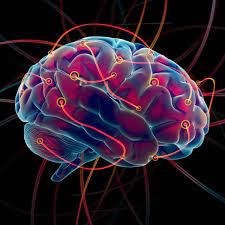
Neuroplasticity-The brain’s remarkable ability to reorganize itself
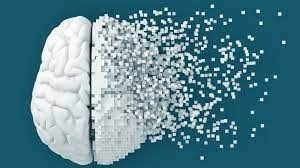
The brain’s remarkable ability to reorganize itself—known as neuroplasticity—underpins a stroke survivor's recovery. Evidence shows that the brain can form new connections and reroute functions, even years after injury.
This means that improvement is often possible long after traditional “rehabilitation windows” have closed, especially with ongoing practice and engagement.
In 2024, I appeared in a Webinar conducted by Associate Professor Simone Dorsch on Neuroplasticity, titled "The Brain that changes Neuroplasticity and Stroke Rehabilitation".-that attracted an elevated level of interest across the Stroke Community.
It is, I consider mandatory viewing- but I am biased!
Associated Health Issues.
Stroke survivors are at risk of developing complications such as muscle spasticity, contractures, pain, depression, or cognitive decline. Ongoing rehabilitation may be needed to address these issues and maintain function.

Changing Rehab Objectives.
Early rehabilitation may focus on basic self-care and mobility. Over time, and after reviewing progress, objectives may focus on more advanced activities, such as returning to work, driving, or pursuing hobbies, which require continued or renewed therapy.
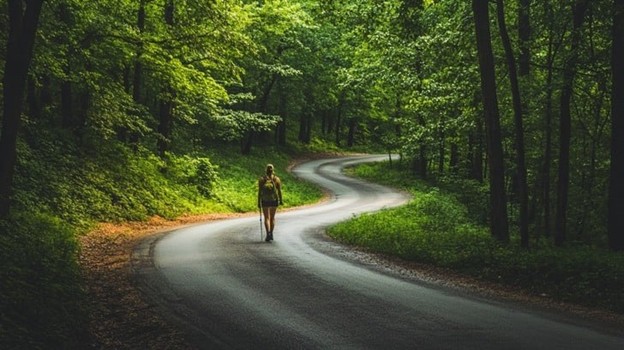
My Rehab Philosophy-My Long and Winding Road.
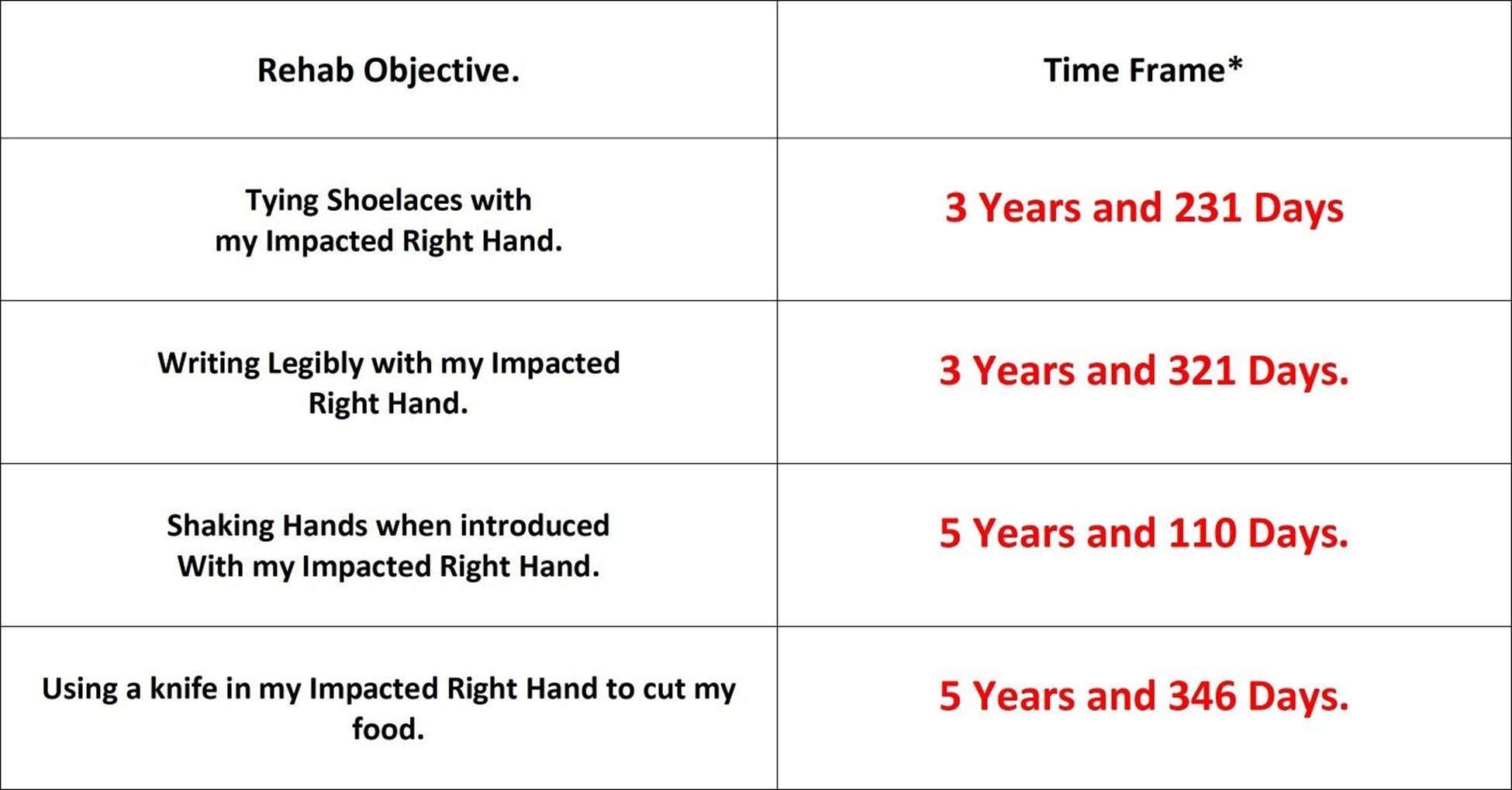
That’s how I describe my Stroke rehabilitation journey since April 2016, but I can assure you that my arrival at key destinations [rehab goals] along the way has justified the time and effort that I spent on what has now become a daily ritual. The above chart outlines the timeframes involved in my rehab journey.
I consider my post stroke rehab is a Long and Winding Road and it will be a journey that I continue on until the Grand Buddha taps me on the shoulder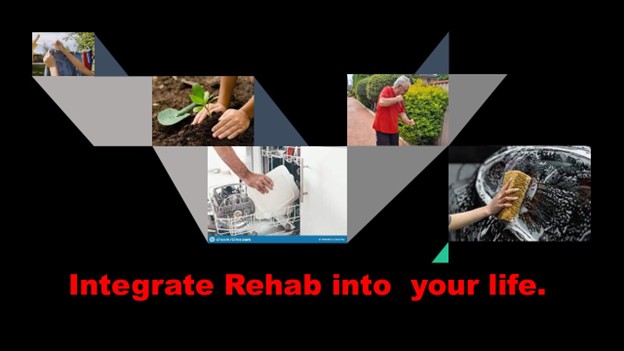
Rehabilitation as a Lifelong Journey
Stroke rehabilitation is not a strictly finite process. While the intensity and focus of therapy may evolve over time, the need for adaptation, practice, and support often continues indefinitely.
Survivors benefit from viewing rehabilitation as a journey rather than a destination—a dynamic process that responds to changing needs, goals, and circumstances.

Healing after a stroke is often a multifaceted journey
My blog Recognizing and Harnessing the Power of Your Inner Strength - A Key to Healing After a Stroke". explores the importance of acknowledging and harnessing inner strength, which plays a crucial role in the post-stroke healing process. It maybe helpful as you traverse your rehab.
My Key Message.
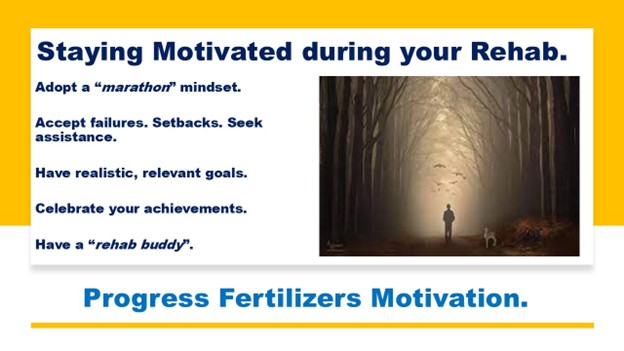
For survivors and their families, embracing the notion of lifelong recovery does not mean abandoning hope for improvement. Rather, it acknowledges the reality that stroke recovery is a marathon, not a sprint—and that every small step forward is a victory on the path to renewed independence and well-being.