A Stroke Survivor’s Q & A.

Background
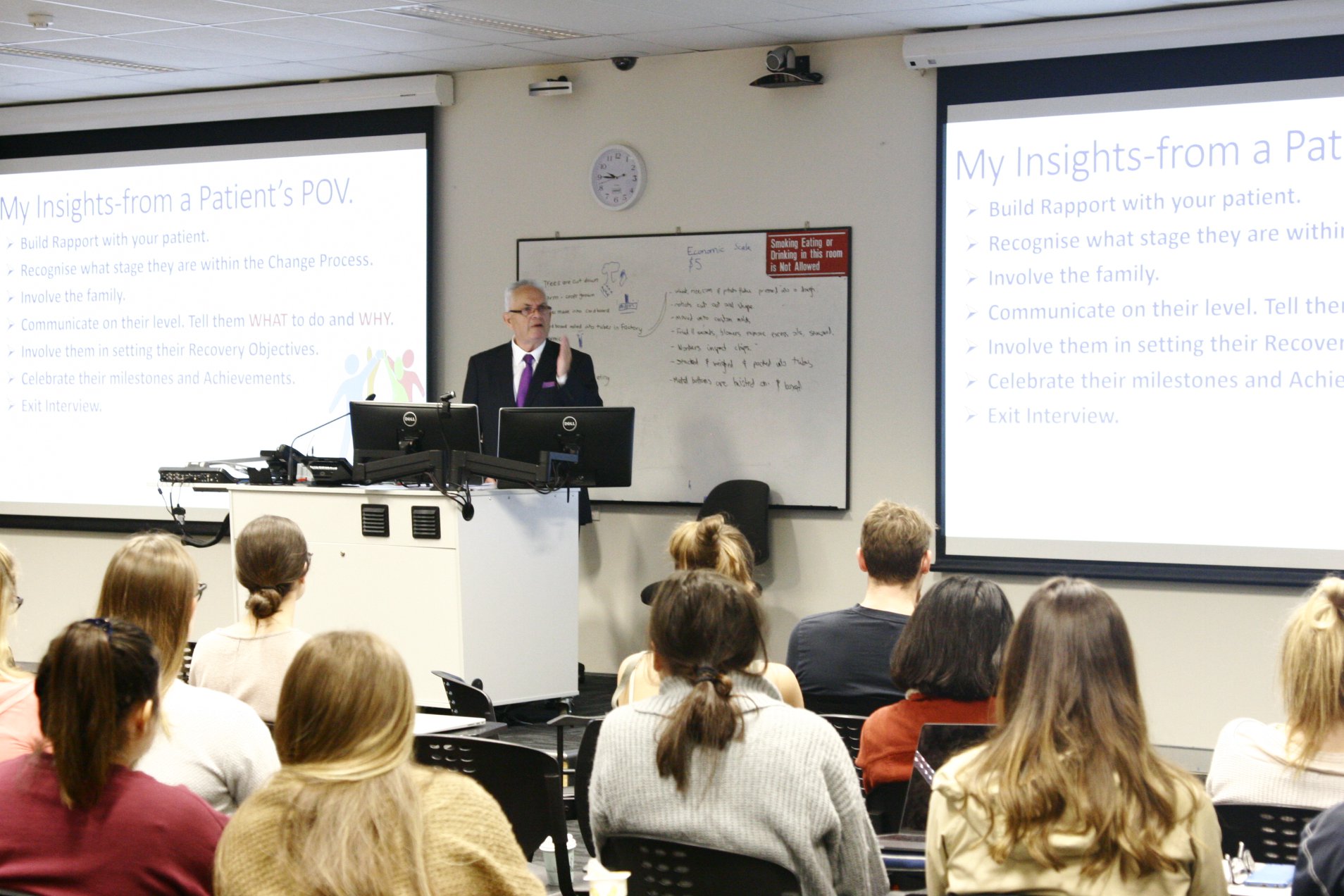
Over the past six years since my stroke in April 2016 I have met with and spoken to hundreds of student clinicians studying physiotherapy, occupational therapy, together with being invited to address the staff of several actual rehab practices.
The subject/theme of these talks has been my stroke, my life pre and post stroke; my rehab philosophy; my rehab journey since my stroke 6 years ago, together with my insights and learnings from this life changing episode.
This activity all started when I received an invitation from Dr Simone Dorsch, Senior Lecturer in Physiotherapy School of Allied Health North Sydney Campus Australian Catholic University, whom I met whilst I was enjoying my 4-month sojourn in Bankstown Stroke Ward.
To the matter at hand - at the conclusion of each talk there is always a Q & A which has fostered a great exchange of ideas and thoughts - so I thought that I would document these questions and my answers [as close as I can recall] for your reading.
In addition, where relevant I have attached a link to a blog/or blogs that I have written pertaining to the subject raised in the question,
I hope you enjoy reading this blog
'Why do you talk to students/clinicians about your stroke.?'
The primary reason I talk to students and clinicians about my stroke is because only I, as a stroke survivor can provide information about what led up to my stroke; how I felt during my stroke and my thoughts and insights into my subsequent rehab journey.
I can provide the one thing that only stroke survivors can provide and that is Lived Experience
Stroke Clinicians - Stroke Survivors - Lived Experience. (office.com)
https://sway.office.com/1TVtC1V26xJlpIn2?ref=Link
Why should I work as a clinician with stroke survivors?
When I'm asked this question, I supply three reasons
Number one is that no two strokes are ever the same.
What an amazing challenge for clinicians in their daily lives, every stroke survivor that you talk to, or treat will present with different and very deficiencies. Think what that does to your rehabilitation vocabulary and associated skill set.
The second reason is that you have the opportunity to come into people’s lives [ both the stroke survivor and their families] and through your skill change their lives permanently.
The third reason is that you get to meet an extraordinary group of people.
Stroke survivors are people who have sustained major deficiencies but who will not surrender to these deficiencies and in many cases are willing to undertake rehabilitation which will get them back to close to what they were pre stroke as possible.
And you will have a key role in that
https://twitter.com/brian_beh/status/1568111010850177027/photo/1
What's the benefit of having a stroke rehab plan?
The benefit of having a plan is that it gets you organised; it gives you an objective; an end state; a target or a goal.
Now that you have a realistic goal you can then plan your rehab journey. You can isolate and look at the various steps that are needed to achieve this whether it be walking or using your arm/ hand.
A rehab plan will enable you to assess your progress-which will help you maintaining your motivation to keep going. Nothing like progress for maintaining motivation levels
https://sway.office.com/gCXDKf9pVHPVxdE5?ref=Link
https://sway.office.com/fPE9Vw9SYHh2FE0f?ref=Link
Do you think you will ever plateau with your rehab?
No, I've often heard this term ‘plateau’ when it referring to a rehab plan as if there is a place/condition that when you reach you become satisfied with the status quo of your life post stroke.
My ambition is to keep going for as long as I can.
I am bloody well determined keep improving to reach the maximum of my abilities. The secret to my rehab plan six years post is that I've now integrated my rehab into my daily life.

To be honest, I see myself doing my rehab activities well into the future.
In my mind stroke rehab is perpetual, unlike other medical episodes which have ‘sunset clauses’. Injuries like a dislocated limb, torn muscle or a damaged hamstring have a finite time frame- this does not apply to stroke deficiencies.
I still exercise to ensure my leg and brain are communicating at maximum potential. Or my grip of my right hand is maintained.
For example, it was over 3 years before I could tie shoelaces; 5 years before I could use a knife in my damaged right hand to cut my well-cooked scotch fillet and 5 years before I was confident enough to shake hands with my right hand
These are the time frames I am looking at.
https://sway.office.com/gowJ8DM92kGRWR4d?ref=Link
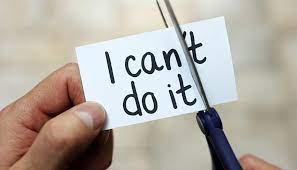
How do I stay motivated? Easy, to be to be blunt I'm your classic type A personality
I was determined once having commenced my rehab and I had a plan with very specific objectives.
The primary objective was being able to walk again, and I would walk out of the rehab gym at Bankstown hospital on discharge day in August 2016 - which I did
This was after being told by one of the doctors that was it highly unlikely that I'd walk again
With my plan I had specific review points so I could track my progress. I could highlight my improvements and that is the key factor in staying motivated- if you are progressing that is very motivating
https://sway.office.com/gowJ8DM92kGRWR4d?ref=Link
https://sway.office.com/WTIDQDbTd3BPgSKR?ref=Link
6 years on do you still do rehab; how do you undertake it?
6 years post stroke I have integrated my rehab process into my everyday life for example I put the washing on the line and take that washing that is my reaching that is my reaching exercises. I empty/fill the dishwasher - that is my reaching and hand exercises every day. I also walk 12 to 15 kms every day.
The key is that my rehab is now a part of my daily routine.
https://sway.office.com/5J7KThSIgYYuOVqp?ref=Link&;loc=play
Did you suffer any depression or grief because of your stroke?
At no stage during my rehab or since my stroke did, I suffer depression, feel sorry for myself, or be upset about the fact that I had had a stroke
In fact, my work in change management in the corporate world helped me to accept very quickly what had happened to me.
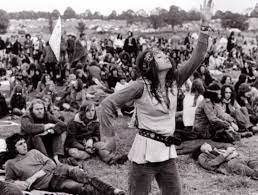
Looking at my pre stroke life I can certainly say that I had led a full interesting life. I was a true child of the 60s.
Later in my corporate life I displayed all the symptoms and behaviours of a committed workaholic - three to four hours sleep at night, working 60 to 80 hours a week shocking diet no exercise etc
Do I regret my life before the stroke? Not for one moment.
There's no point but what I do now in my life post stroke is the best it can be so that I can avoid subsequent episodes of this nature.
How did your family and friends react to your stroke?
My family were incredibly supportive during the entire process, and they now ensure that I maintain my rehab activities poststroke -in fact they are tougher on me than any clinician in Bankstown hospital
In terms of my friends, that's an interesting comment.
I posted on several websites that I would be absent because of what had happened. As a result, I had got more than 800 emails from all around the world from business acquaintances and friends to which I can proudly say I've now answered everyone
But they were several friends who sadly were silent which was disappointing and now off the Brian A Beh Digital Christmas card list.
On the plus side I reconnected with workmates, schoolmates whom I've had not heard from for over 40 years plus I had incredible support from two special gentlemen friends from Melbourne
Thrill Seekers and Fellow Time Travellers
Here ends Part 1
Stay tuned for Part 2
Brian A Beh
A Stroke Survivor.