After only a week in hospital, Lisa was discharged without a plan.

Lisa was off work sick when she felt a sudden numbness in her lips, right arm and hand. It wasn't until she saw her doctor that she realised how serious her condition was.
“I was told to go straight to the Emergency Department,” Lisa recalls. “I didn’t know what a stroke was, but I kept trying to reassure myself that it couldn’t possibly be a stroke.”
Scans confirmed a stroke, and to Lisa’s surprise, she’d also suffered several Transient Ischaemic attacks (TIA) that had gone unnoticed over the years. And shockingly, after only a week in hospital, Lisa was discharged.
“No rehabilitation was mentioned. I had a week’s rest at home, then resumed my full-time job. Debilitating fatigue quickly set in. I figured the symptoms were temporary. How wrong could I be.”
Working for StrokeLine (1800 787 653), I hear stories like Lisa’s all too often. It is critical that survivors have support – especially when they’re first leaving hospital. But unfortunately, almost 1 in 3 survivors leave hospital without a discharge plan.
That’s why Stroke Foundation’s crucial services – like StrokeLine – are so vital for people.
When Lisa first heard about StrokeLine, she saved the number in her phone, but assumed it would be a short recovery and didn’t think she’d ever need to call.
“I don’t accept help easily, but as time went on, I knew I needed advice. My life had drastically changed, emotions overwhelmed me, and it just felt like no-one understood,” Lisa remembers.
On the call with a StrokeLine health professional, Lisa received valuable free advice and resources. She realised she wasn’t alone.
“I was relieved that I finally had the information that I desperately needed, I should have called StrokeLine from the very beginning.”
Kath Yong, StrokeLine (1800 787 653). Please call us if you need us, you’re not alone.
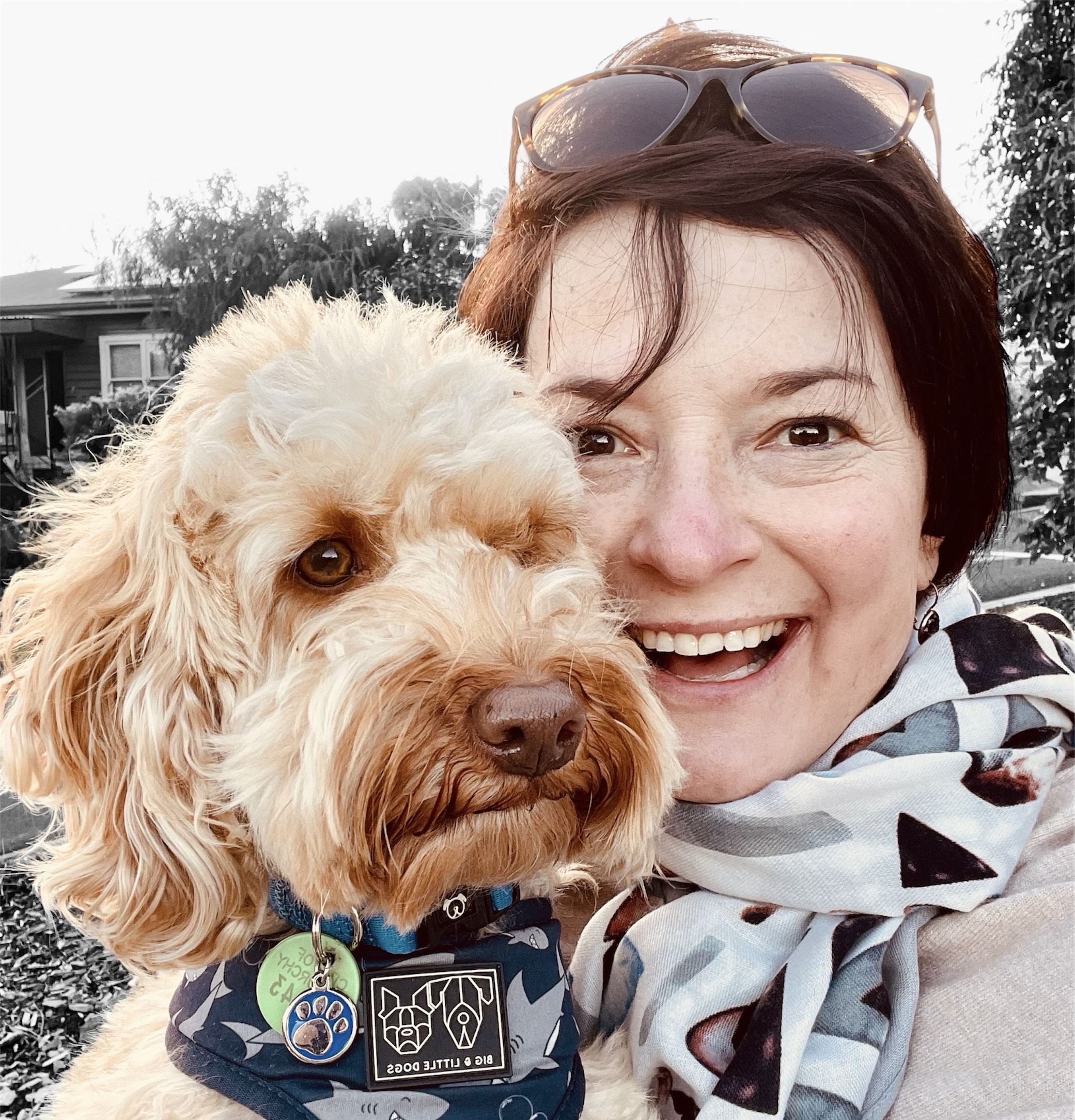
Photo: Lisa Wicks