Redefining your self-identity after a Stroke


In my recent blog Recognizing and Harnessing the Power of Your Inner Strength, I discussed the role inner strength plays in redefining a stroke survivor’s sense of self-identity.
It seemed ironic when I realized that for most of my working life, I was involved in the creation and maintenance of corporate identity [or brand].
Following my stroke I became aware of the importance that self-identity plays in a survivor’s post-stroke days.
This realization I believe, can allow stroke survivors to find a new purpose and meaning in life despite the changes thrust upon them by stroke.

An important Discovery.
Debra Meyerson was a tenured professor at Stanford University, specializing in organizational behavior, gender, diversity, and identity.
I was aware of her as I had read her influential book “Tempered Radicals,” which explores how individuals can drive change within organizations – A book that was very handy in my corporate life and one that I insisted all my people read.
Following my stroke, I went back and re-read this book, as I felt her wisdom was more relevant than ever.

What was of significance to me was that in 2010, Debra suffered a severe stroke that left her paralyzed on the right side of her body and unable to speak.
Despite these challenges, she has made significant strides in her recovery.
Her book chronicles her journey—a journey that began with a severe stroke that left her physically incapacitated and unable to speak.
But this book isn’t just about physical recovery; it delves into the emotional terrain that stroke survivors navigate—the questions that haunt them: “Who am I now?” and “How do I rebuild a meaningful and rewarding life?”
Imagine losing so much of what you had before—the capabilities, the career, the relationships—and then having to redefine yourself from scratch.
It’s a profound struggle, and Debra Meyerson captures it beautifully.
After re-reading her book, I have summarized my thoughts about some suggested steps that can help stroke survivors begin this process.

Self-Reflection.Start by reflecting on who you are now and what aspects of your identity are most important to you. Consider your values, interests, and roles in life. Journaling or discussing these with a trusted friend or therapist can be helpful.
“Nothing can dim the light which shines from within.”Maya Angelou, American memoirist, poet, and civil rights activist.
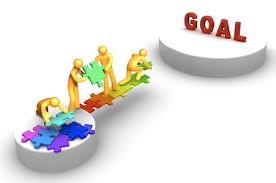
Set Realistic Goals.
Establish small, achievable goals that align with your new abilities and interests. Celebrate each milestone, no matter how small, as it contributes to your sense of progress and self-worth.

Seek Professional Support.
Engage with therapists, counselors, or support groups who specialize in stroke recovery. They can provide guidance, resources, and a safe space to explore your evolving identity.
The Stroke Foundation has a wide range of facilities available- Click on this link- Stroke Foundation
You can find out if there is a Stroke Support Group in your area by clicking on this link- Find a Stroke Support Group
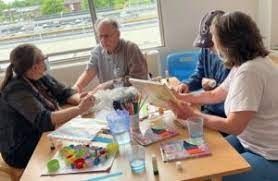
Engage in Meaningful Activities.
Find activities that bring you joy and a sense of purpose. This could be hobbies, volunteer work, or new interests that you can pursue within your current capabilities.

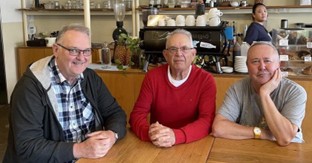
Strengthen your social connections by spending time with family and friends. Sharing your journey with them can help you feel supported and understood.

Practice Mindfulness and Self-Compassion.
Incorporate mindfulness practices such as meditation, breathing exercises, or yoga to help manage stress and foster a positive self-image.
Advocate for Yourself.
Be proactive in seeking the support and accommodation you need. This might involve working with healthcare providers, employers, or community organizations to ensure your needs are met.

Embrace Change.
The only way to make sense out of change is to plunge into it, move with it, and join the dance.” – Alan Watts
Change often brings both challenges and rewards. It’s like navigating through a storm to find a beautiful, calm sea on the other side.
Here’s a quote that might resonate with you: Embracing change can lead to personal growth, new opportunities, and a deeper understanding of oneself.
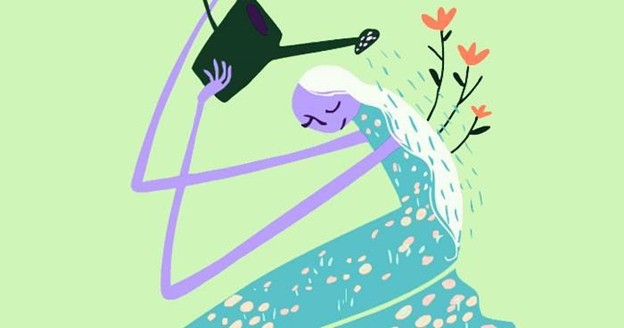
Practice self-kindness.
Make time for your favorite activities or hobbies that make you happy, even if they have to be adapted to your current situation
Be patient and kind to yourself. Stroke recovery is a process, and there will be better days and worse days. Recognizing and accepting this is part of healing.
Accept that your identity may continue to evolve. Embrace the changes and be open to discovering new aspects of yourself.

My Thought for this Day
Brian A Beh- Stroke Survivor.