Where Rehabilitation Became Purpose- My Tribute to Spring Morning.

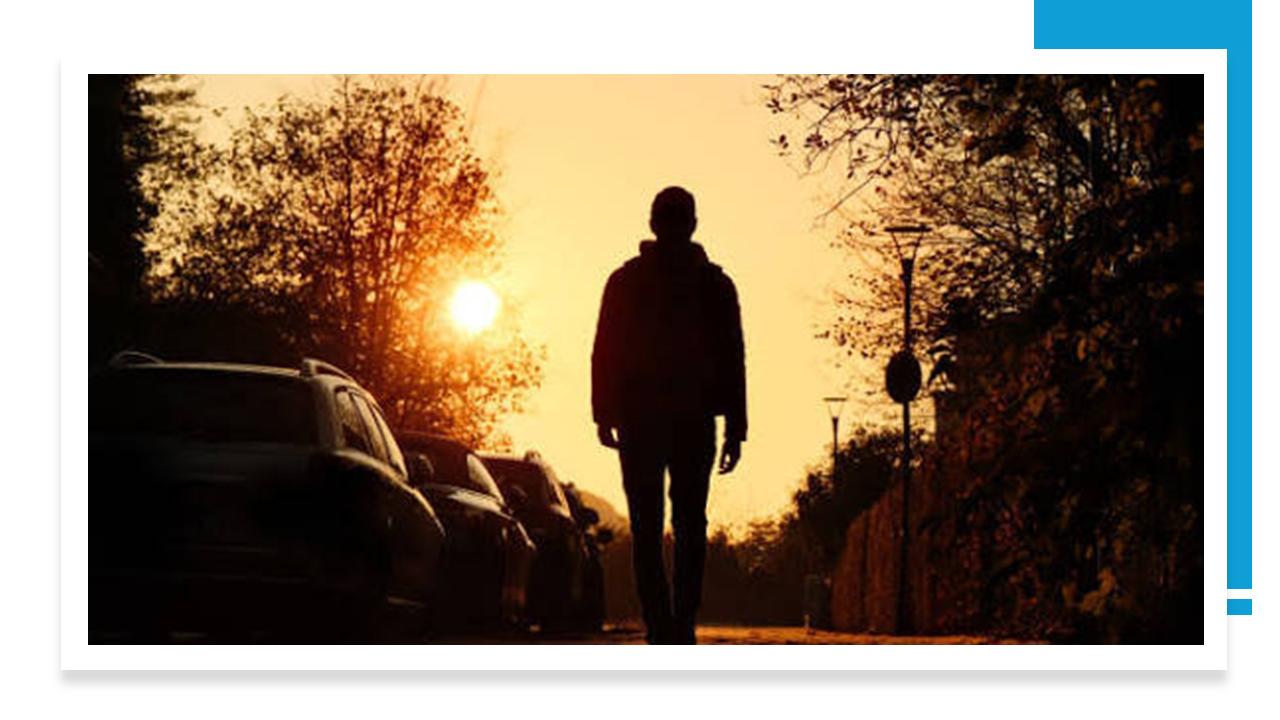
There is a particular kind of quiet that belongs only to the early spring morning. It is not the silence of winter, nor the warmth of summer dawn. It is a cool, pale stillness — a world half‑awake, holding its breath — and it became the backdrop to one of the most important chapters of my post‑stroke life.
In those first years of rehabilitation, when progress was often not as rapid as I wanted, I began walking alone at daybreak. At first, it was simply practical: a way to strengthen my balance, rebuild endurance, and reclaim the rhythm of movement.
But very quickly, those walks became something else entirely. They became a sanctuary. The solitude of early spring gave me a space where I could assess my progress honestly. No clinic. No stopwatch. No audience. Just me, the cool air, and the steady sound of my own footsteps.
Stroke rehabilitation is rarely linear; it is measured in subtleties. The way the foot lifts. The way the arm swings. The way the breath settles.
In the quiet of those mornings, I could feel every small victory and every stubborn challenge with a clarity that no formal assessment could match.
But something deeper was happening too — something I didn’t recognise at first.
As the world slowly brightened around me, my creative dynamos began to stir. Ideas arrived unannounced. Sentences formed themselves. Images and metaphors rose from the quiet like birds testing their wings. It was as though the stillness of early spring had unlocked a part of me that had been waiting patiently behind the noise of recovery.
My creative instincts were always there, quietly repressed beneath the weight of balance sheets, governance demands, forecasts and the relentless machinery of corporate process
Walking became thinking. Thinking became creating. And creating became healing.
Those mornings rebuilt not only my body; they rebuilt my identity. Stroke takes many things — strength, certainty, ease — but it also disrupts the quiet internal engines that drive purpose. In the solitude of those walks, those engines began to hum again. Stronger. Brighter. More insistent.
And then, one morning, without ceremony, the truth arrived. I realised I had not only found myself again — I had found my future.
It came as a simple, steady understanding: I owed a debt. Not a burdened debt, but a grateful one. A debt to the clinicians who steadied me. To the researchers who shaped the evidence that guided my recovery.
To the survivors who walked the path before me and left markers for those who followed. To the students who would one day carry the responsibility of care. To the community that had quietly held me upright. I could never repay that debt in equal measure — but I could honour it.
In that early spring light, I understood that my post‑stroke life needed a mission. A purpose that reached beyond my own recovery. A direction that would give meaning to the years ahead.
My mission became clear:
To give back. To repay the debt. To stand beside clinicians, researchers, and survivors as both witness and advocate. To use my voice, my experience, and my creative resurgence to strengthen the field that rebuilt me.
I would teach — not from textbooks, but from lived truth. I would contribute to research — ensuring survivors shape the questions, not just answer them. I would write — giving language to the emotional terrain of stroke that is so often left unspoken. I would mentor — offering steadiness to those still finding their footing. I would walk — every day — as a quiet act of gratitude for those who helped me walk again.
Those early spring mornings gave me more than rehabilitation. They gave me clarity. They gave me direction. They gave me the future.
In the cool stillness of dawn, I found the next chapter of my life — not defined by what stroke took, but by what it revealed. A mission born in solitude, strengthened by creativity, and carried forward with purpose.
And every time I step into that early light, I feel it again: the peace, the progress, the promise — and the quiet, unwavering commitment to give back.
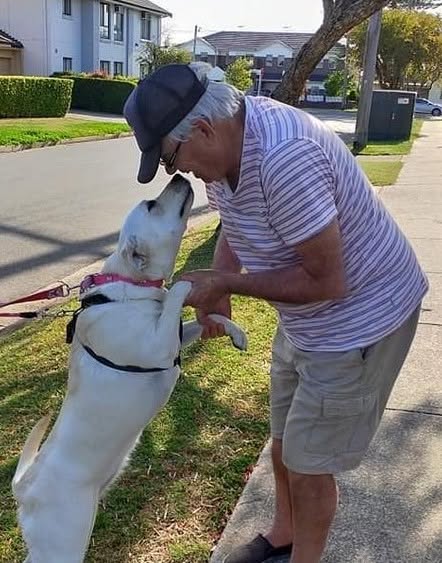
Brian A. Beh- A Stroke Survivor and Walker.