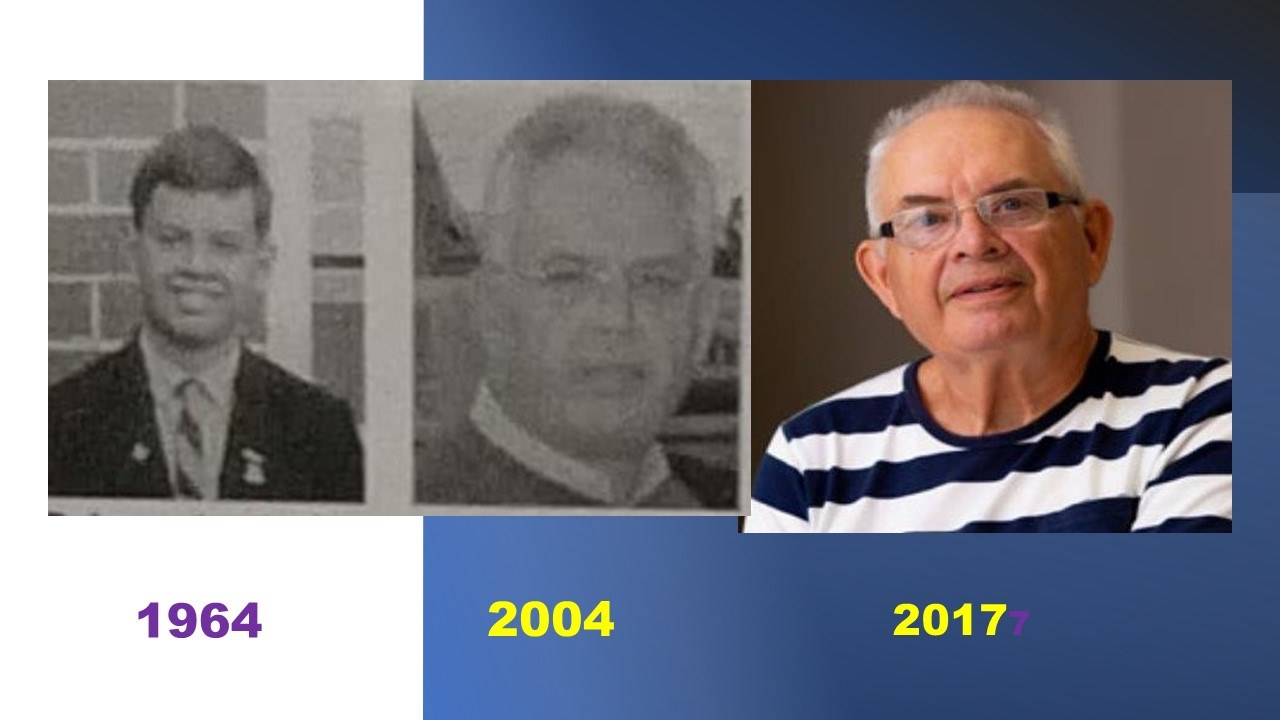
People often ask me, ‘Are you nearly eighty’
The question arrives with a mix of curiosity and disbelief, as though the number and the man cannot belong to one another.
I have come to understand that what they are really reacting to is not age at all, but the quiet contradiction between chronology and presence.
Eighty is the calendar. My energy has its own timetable.
There is a particular way many people imagine an eighty‑year‑old should look: slower in movement, quieter in ambition, softened by time.
I do not fit that picture, and I never have.I still walk with purpose, as though every destination matters.I still speak with the forward‑leaning cadence of someone who has something to contribute.
My days are full — writing, mentoring, collaborating with researchers, shaping ideas, building projects.I do not present as someone winding down. I present as someone still becoming.
Age shows itself most clearly when a person stops evolving.
You can see it in the eyes — when curiosity dims, when engagement fades, when the world becomes something observed rather than shaped.
I have never been able to live that way.
My mind has always been restless, reaching, questioning, pushing into fresh territory.
That mental vitality changes how a person appears. It sharpens the gaze, steadies the posture, keeps the face alive with interest. People notice that before they notice the number.
Recovery has played its part too. Stroke rehabilitation demanded discipline, repetition, and a kind of stubborn hope.
I approached it with the same intensity I once brought to corporate transformation and research collaboration.
That determination leaves a mark. It gives the body a certain alertness, a refusal to collapse into age. It teaches you that momentum is not a privilege of youth — it is a choice, renewed daily.
But the deeper truth is simpler:
I have never lived by the number.
I have lived by the work, the curiosity, the relationships, the purpose.
I have lived by the projects that excite me, the students who challenge me, the researchers who inspire me, the writing that keeps my inner world articulate.
When you live by these things, age becomes a background statistic, not a defining feature.
So, when people ask, “Are you really nearly eighty?” I hear something else.
I hear surprise that a man can carry eight decades without being weighed down by them.
I hear recognition that vitality can outlast youth.
I hear a quiet acknowledgment that the spirit has its own clock, and mine has never been interested in slowing.
Eighty is the calendar. My energy has its own timetable. Eighty Is the Calendar: An Essay on Looking Younger Than One’s Years
People often ask me, ‘Are you nearly eighty’
The question arrives with a mix of curiosity and disbelief, as though the number and the man cannot belong to one another.
I have come to understand that what they are really reacting to is not age at all, but the quiet contradiction between chronology and presence.
Eighty is the calendar. My energy has its own timetable.
There is a particular way many people imagine an eighty‑year‑old should look: slower in movement, quieter in ambition, softened by time.
I do not fit that picture, and I never have.I still walk with purpose, as though every destination matters.I still speak with the forward‑leaning cadence of someone who has something to contribute.
My days are full — writing, mentoring, collaborating with researchers, shaping ideas, building projects.I do not present as someone winding down. I present as someone still becoming.
Age shows itself most clearly when a person stops evolving.
You can see it in the eyes — when curiosity dims, when engagement fades, when the world becomes something observed rather than shaped.
I have never been able to live that way.
My mind has always been restless, reaching, questioning, pushing into fresh territory.
That mental vitality changes how a person appears. It sharpens the gaze, steadies the posture, keeps the face alive with interest. People notice that before they notice the number.
Recovery has played its part too. Stroke rehabilitation demanded discipline, repetition, and a kind of stubborn hope.
I approached it with the same intensity I once brought to corporate transformation and research collaboration.
That determination leaves a mark. It gives the body a certain alertness, a refusal to collapse into age. It teaches you that momentum is not a privilege of youth — it is a choice, renewed daily.
But the deeper truth is simpler:
I have never lived by the number.
I have lived by the work, the curiosity, the relationships, the purpose.
I have lived by the projects that excite me, the students who challenge me, the researchers who inspire me, the writing that keeps my inner world articulate.
When you live by these things, age becomes a background statistic, not a defining feature.
So, when people ask, “Are you really nearly eighty?” I hear something else.
I hear surprise that a man can carry eight decades without being weighed down by them.
I hear recognition that vitality can outlast youth.
I hear a quiet acknowledgment that the spirit has its own clock, and mine has never been interested in slowing.
Eighty is the calendar. My energy has its own timetable.
Brian A. Beh - A Stroke Survivor.