Advice for All Stroke Clinicians: Ten Insights from a Stroke Survivor

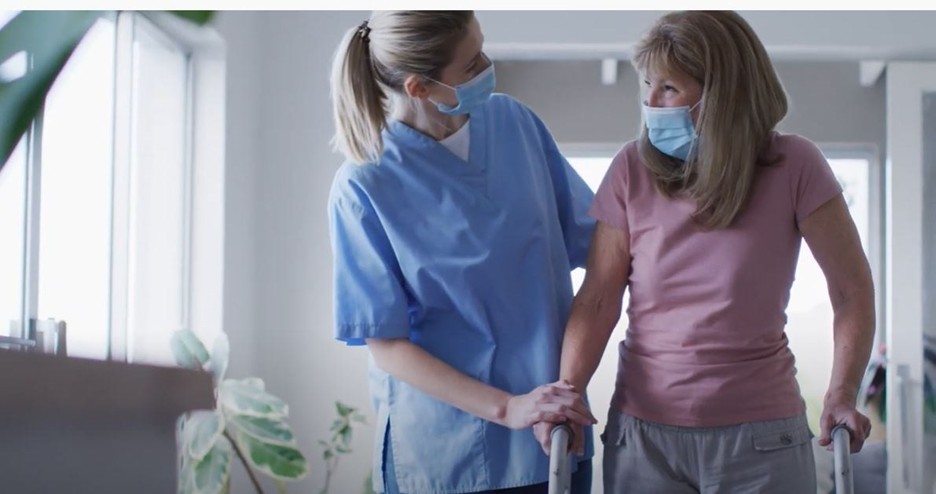
Personal Reflections to Enhance Rehabilitation
The premise for this blog is somewhat different from my usual approach to creating these messages.

Drawing from the lived experience I gained during my stroke rehabilitation, I reflected on the questions and requests that treating clinicians should pose to stroke survivors—both at the beginning and throughout the rehabilitation process.
My wish is that anyone reading this blog, whether a stroke survivor or carer, either about to commence their rehab or undertaking their rehab can gain valuable insights from my blog.
Recovering from a stroke is a journey filled with challenges, meaningful progress, and moments of frustration and hope.
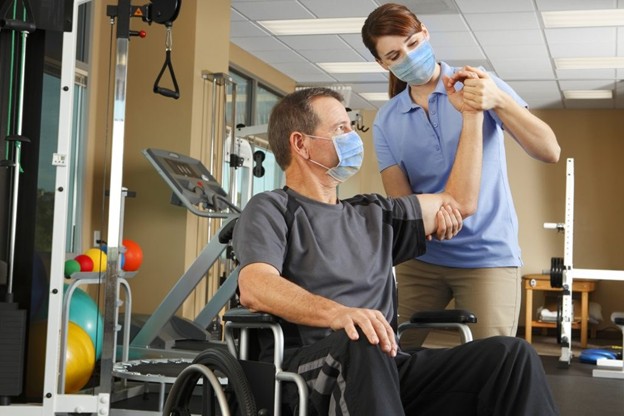
Having experienced this myself, I know what truly makes a difference during rehabilitation. Here’s the advice and requests I shared with stroke clinicians working with me to ensure the best possible support and outcomes.
Listen to My Story and My Goals.
Every stroke survivor’s journey is unique. Take the time to understand my Lived Experience, not just my medical history. Ask about my personal goals—what I hope to achieve in rehab. Listening to my story can help you[the clinician] shape treatment in a way that feels meaningful and motivating for me.
Please Communicate with me Clearly
A stroke can impact memory, attention, and understanding. Use clear, simple language when explaining exercises or goals. Show the movements and make sure I follow along. Patience and repetition are important—sometimes I might need things explained more than once, and that’s perfectly fine.
Encourage Me but Don’t Push Too Hard
Motivation is important, but pushing too hard can cause fatigue or discouragement. It’s all about finding the right balance between challenging yourself and respecting your limits.
Don’t forget to celebrate small milestones—they’re easy to miss, but they matter a lot.My first six minute walk was celebrated with a cup of coffee-Thanks Laura!!

Respect My Emotional Journey
The emotional impact of a stroke can be overwhelming. At times, I might feel down, anxious, or frustrated. Recognizing these emotions and offering support can make a big difference. A little empathy and understanding can go a long way in building trust.
Adapt to My Abilities and Preferences
Each person’s stroke affects them differently. Adapt exercises to what I can manage on any given day. Be flexible with routines and open to feedback—let’s work together to find what suits me best.

Involve Me in My Care
Help me take an active role in my rehabilitation by explaining the importance of each exercise and how it benefits my daily life. Offer options and encourage questions, as this makes me feel more in control and boosts my confidence.

Connect With My Support Network
Family, friends, and caregivers play a big role in recovery. Whenever possible, include them in rehab sessions or keep them updated. Their support keeps motivation high and helps maintain progress beyond the rehab gym.

Remember Progress Takes Time
Stroke recovery isn’t a straight path—some days will feel better than others. Setting realistic expectations and remembering that setbacks are a normal part of the process can make a big difference. Encouragement along the way helps keep the determination to push through tough moments.
Consider the Whole Person
Rehabilitation isn’t just about physical recovery. Ask about my interests, hobbies, and what gives me joy. Incorporate these into therapy when possible—it makes rehab more meaningful and enjoyable.
Keep Learning and Growing -My Primary Personal Objective for my days.
There is a large body of evidence for effective stroke rehabilitation, keep up to date, use the guidelines, and don’t waste the stroke survivor’s valuable time on non-evidence-based interventions
My Key Message
As a stroke survivor, I appreciated empathy, open communication, and personalized care. Regard me as a partner in my recovery, not just a patient. Together, we can turn rehab into a place of hope, progress, and true collaboration.
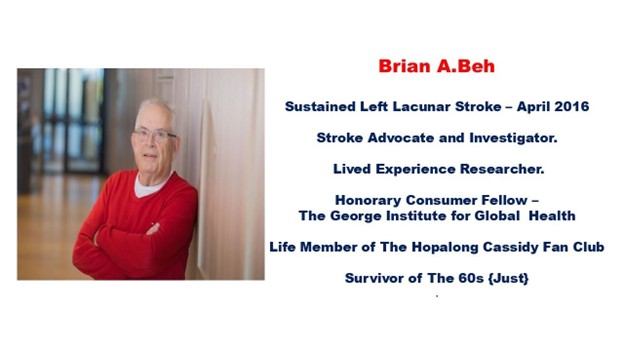
Brian A Beh- A Stroke Survivor.