A second chance after stroke - Mike's experience of the Falls After Stroke Trial

Mike O‘Connell suffered what was considered a mild stroke but even two years later the effects were still greatly impacting his life. Mike has been participating in the Falls After Stroke Trial (FAST). He says he was really quite surprised at the response, improving not only his strength in his weaker right side, he says ‘I used to topple and the right leg was quite weak’ but his vision was also affected with the stroke and he has learnt to navigate more safely such as on steps and stairs, testing his eye-hand co-ordination with the exercises.
FAST combines functional exercise and safety training, but most significant is that the exercise is habit forming because it is integrated into daily routines. Mike gives an example ‘When in the kitchen at the bench you know you can do the tandem stand (one foot in front of the other), and you know it’s good, it’s quite fun.” He says “I really have the confidence now I can keep going, and learn to be patient with the recovery. The perseverance to weave it into your life so it becomes like a normal thing that you would do. To strengthen you and keep you going, to keep you stronger.”
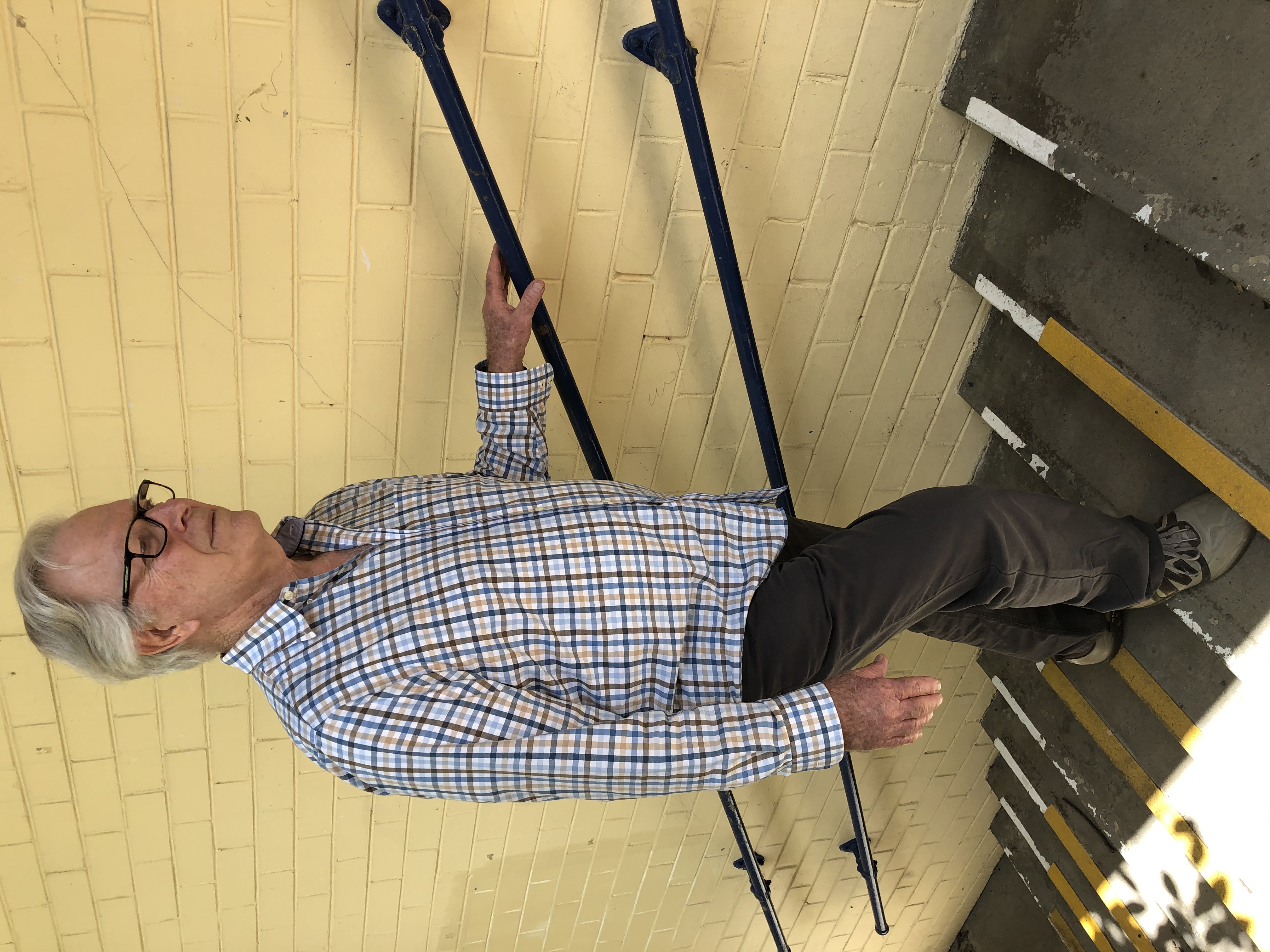
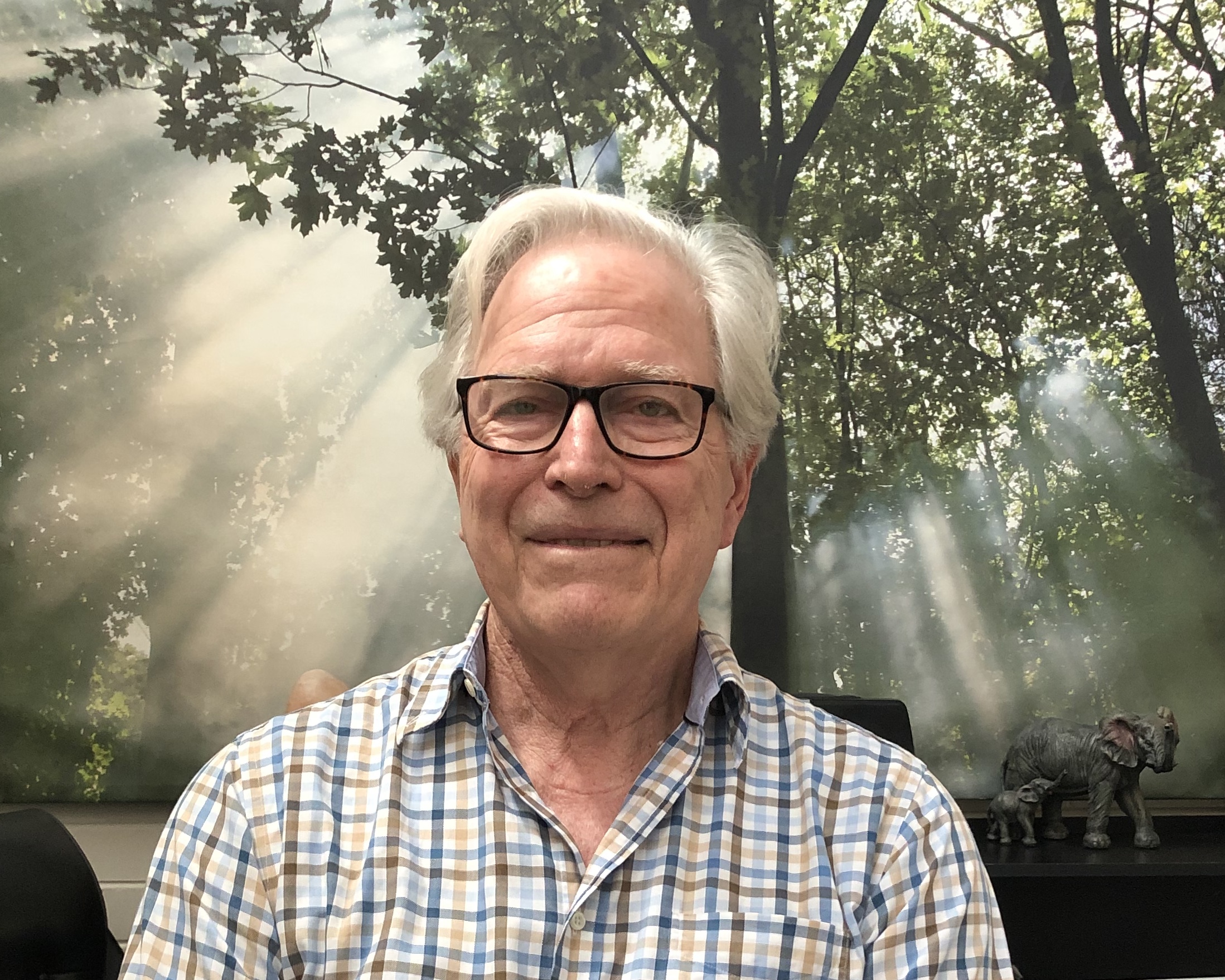
Mike has returned to work part time offering remedial holistic therapies, and with a craniosacral therapy diploma he has a good understanding of the brain. He describes the response of his body from doing the functional exercises “its as if someone had gone up to wherever it is in the brain to, I could feel the neurological response to it, particularly the balance”
Most importantly for Mike it has boosted his confidence. He admits he was feeling a bit ashamed, of being a bit clumsy, and says the program was excellent. He feels now he is not going to fall, he is now able to get out and walk, knowing he can be safer and be more observant.
The novel FAST program has been developed for people who have had a stroke, is delivered at home and tailored to each person’s abilities. It aims to reduce their risk of falling and improve their ability to get out and about. Over 70% of people after a stroke will experience falls, more than twice that of the general older population and falls are the main cause of hospitalisation from injury after stroke.
The research team are now recruiting people living at home in Sydney or Canberra and are reaching out to anyone 50 or over who have had a stroke within the past five years which changed their balance or ability to walk around. If you or your relative or friend meet this criteria visit the website to find out more and register your interest in the trial www.faststudy.com.au , email fast.study@sydney.edu.au or leave a message on (02) 9351 9989.