The Importance of Rapport in the Stroke Rehab Gym.


Building Trust and Enhancing Recovery for Stroke Survivors
Some beautiful music you can listen to whilst you read.
Rapport, the positive and trusting relationship between individuals, is a cornerstone of effective stroke rehabilitation.In a stroke rehab gym, establishing rapport among stroke clinicians, stroke survivors, and their families or carers is vital for a successful rehabilitation experience and overall well-being.
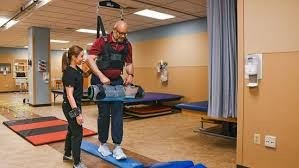
The experience I had at Bankstown Stroke Rehab Gym was absolutely exceptional! The encouraging atmosphere and the dedicated team—Simone, Laura, Julie, and Fin—played a crucial role in my recovery, and I’m incredibly thankful for their skill and kindness.
In my blog, I will outline the significance of rapport in this specialized setting and how it contributes to better outcomes for all stakeholders, particularly stroke survivors.

This environment, in many ways, mirrors my corporate life. A significant portion of my projects involved developing, nurturing relationships with consumers [ past, present, and future\}, shareholders, executives, sometimes a hostile media, and dare I say, politicians at all levels of government.
My corporate career was a dynamic and multifaceted experience that required constant adaptation and engagement. Enough About Me!!

Facilitates Trust and Comfort.
Stroke survivors often face significant physical, emotional, and psychological challenges. Building rapport helps them feel comfortable and secure in the rehab environment, making them more likely to engage fully in their rehab program.
When Stroke Survivors trust their physio, their OT and other support staff, they are more willing to communicate openly about their concerns, fears, and goals
Improves Motivation and Participation.
Rehabilitation can be a long and demanding process, often requiring sustained effort and resilience. A strong rapport encourages motivation and active participation, as Stroke Survivors feel understood and supported.
When stroke clinicians take the time to connect personally, survivors are more likely to attend sessions regularly and give their best effort during exercises.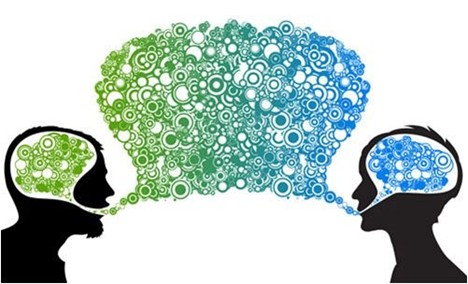
Effective communication is essential for tailored rehabilitation plans. Rapport creates a safe space for Stroke Survivors to express themselves, ask questions, and provide feedback.
Clinicians who listen attentively and respond empathetically can adjust programs to suit individual needs, ensuring exercises and interventions are appropriate and effective.
Stroke recovery is not just physical; it also involves emotional healing. Stroke Survivors may experience frustration, sadness, or anxiety. A positive therapeutic relationship helps reduce isolation and fosters a sense of belonging.
Knowing that someone cares and understands their journey can significantly boost a client’s mood and outlook
Building rapport fosters collaborative goal setting, empowering stroke survivors to take an active role in their rehabilitation. When clinicians and stroke survivors work together, the goals become more meaningful and achievable.
This collaborative approach has been shown to improve adherence and outcomes in stroke rehab programs.
My Key Message.
In the stroke rehab gym, rapport isn't just a “nice to have”; it's a fundamental ingredient for successful rehabilitation. By fostering trust, enhancing motivation, improving communication, and supporting emotional well-being, rapport makes the rehab journey more effective and rewarding for stroke survivors.
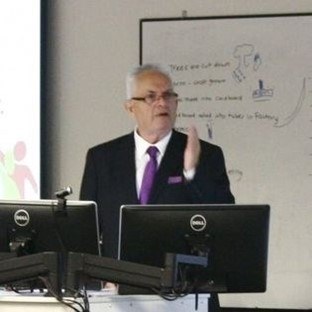
Brian A Beh - A Stroke Survivor.