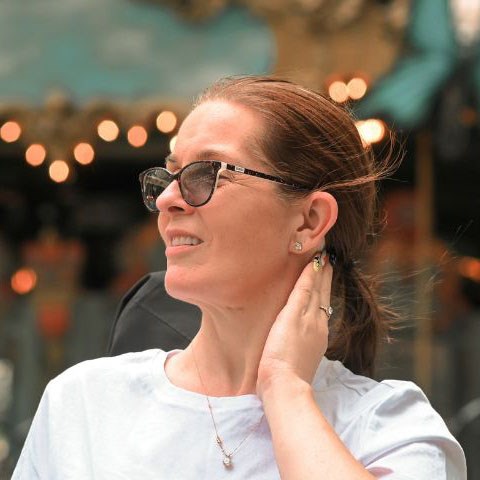
At the table at the UN: My Trip to New York

By Brooke Parsons
If you had told 13-year-old me, recovering from a stroke and trying to make sense of my new reality, that one day I’d be speaking at the United Nations, I’m not sure I would’ve believed you. But in June this year, I boarded a plane to New York as a Stroke Foundation Future Leaders Grant recipient, ready to represent the lived experience of stroke and disability on the world stage.
I was there to attend the 18th Conference of States Parties (COSP18) to the Convention on the Rights of Persons with Disabilities. It was a huge moment, not just personally, but for the whole stroke and disability community in Australia. This wasn’t just about showing up; it was about speaking up and ensuring that lived experience was part of global conversations about rights, equity, and inclusion.
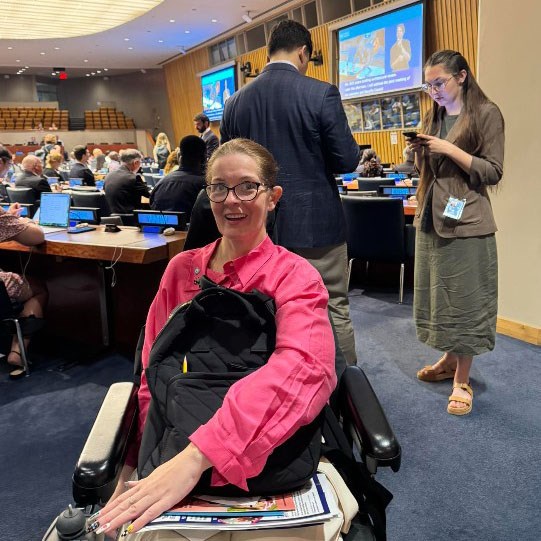
At the UN, I took part in powerful discussions about improving life for people with disabilities around the world. I attended roundtables, listened to presentations on innovative funding models and inclusive technology, and contributed my own insights, particularly about the importance of making sure people with disabilities are actively involved in decisions that affect them.
For me, lived experience isn’t just a voice that should be heard, it’s a voice that should be leading. We don’t just deserve a seat at the table. We belong at the head of it.
While I was in New York, I also visited some of the city's leading hospitals and rehab centres, including New York Presbyterian, Burke Neurological Rehabilitation Institute, and the Lennox Hill Stroke Unit. These visits were eye-opening. I saw just how powerful lived experience could be in shaping care. Staff at these facilities spoke with genuine interest about involving people with stroke or disability in program design, research, and service delivery.
Interestingly, I realised that in Australia, we’re a little further along when it comes to embedding lived experience into healthcare and research. And I had the privilege of sharing insights from my two decades of lived experience, helping them see how our model could guide their own journey. It was validating, exciting, and a strong reminder that this movement is global.
Of course, as someone who now uses a wheelchair, I experienced a few accessibility challenges around the city. Public spaces and transport still have a long way to go, uneven footpaths, inaccessible doorways, and non-functioning elevators were frustratingly common. But there were also positives: accessible hotel rooms, staff who were willing to help, and modern buildings designed with inclusion in mind.
And yes, I found time to be a tourist! Between meetings and hospital tours, I soaked up the atmosphere of Times Square, admired the iconic skyline, and tasted more than a few New York bagels. Despite the barriers, I was determined to experience the magic of the city - and I did.
So what’s next?
This trip lit a fire in me. I’m more motivated than ever to continue advocating for people with disabilities and to promote the role of lived experience in shaping services, policy, and systems. I’m already exploring opportunities to attend more international forums and build connections with hospitals and research institutes overseas.
Wherever I go, one thing will never change: I’ll keep working toward a world that’s more inclusive, accessible, and shaped by those of us who have lived it.
Because real progress doesn’t happen without us. And it shouldn’t.