Good and Effective Communication is not about all talk


Thrill Seekers and Fellow Time Travellers this is absolutely true.
In any face-to-face interaction we have, the actual message that you utter accounts for only approx. 7% of the communication process that is taking place.

The other 93% comes from what is known as Non-Verbal Communication Factors.
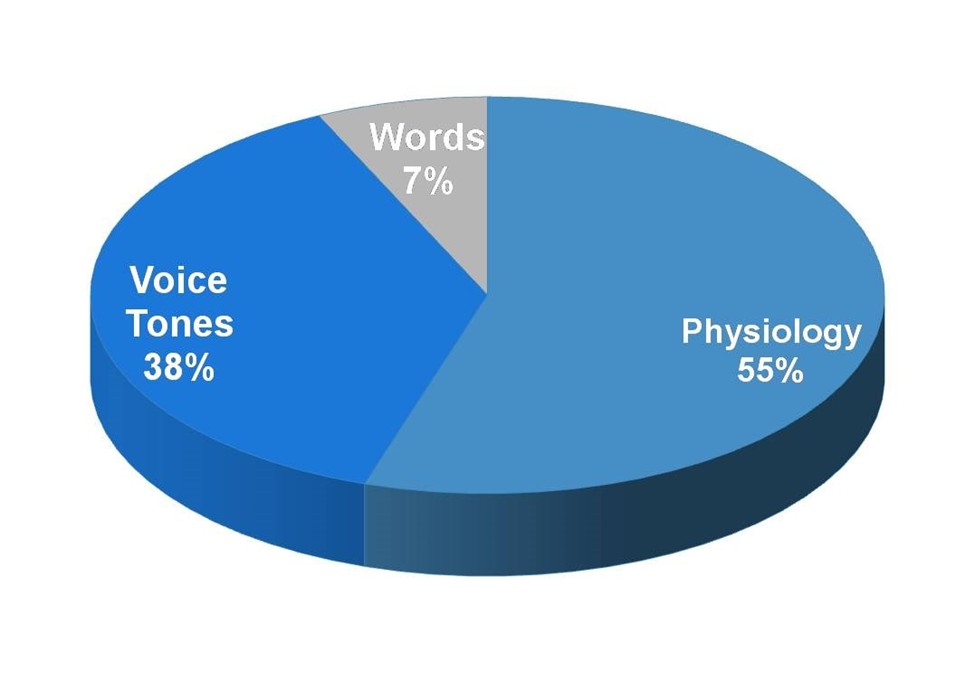
Although the boffins will vary on the actual percentages, what emerges is a consensus that there are many factors that can either hinder or maximize the delivery and effectiveness of your message.
As someone who spent decades in the Communications industry, it became of interest in my Stroke Rehabilitation during my sojourn in Bankstown Hospital in 2016.
There I had an opportunity to observe the importance of effective communication between clinicians, Stroke Survivors [and their families] during their rehabilitation journeys.
Body Language is a crucial factor.

Many of us have heard/read about the term “body language” and the role it can play. but I have found that often people are quite dismissive of the role of this subject.
But it can be, if understood and appreciated a powerful tool in effective communication.
By adhering to the principles that make up this subject, you can ensure effective communication is occurring.

In my opinion there are the following body language factors that you should at least be aware of and consider during your interactions –
Facial expressions.
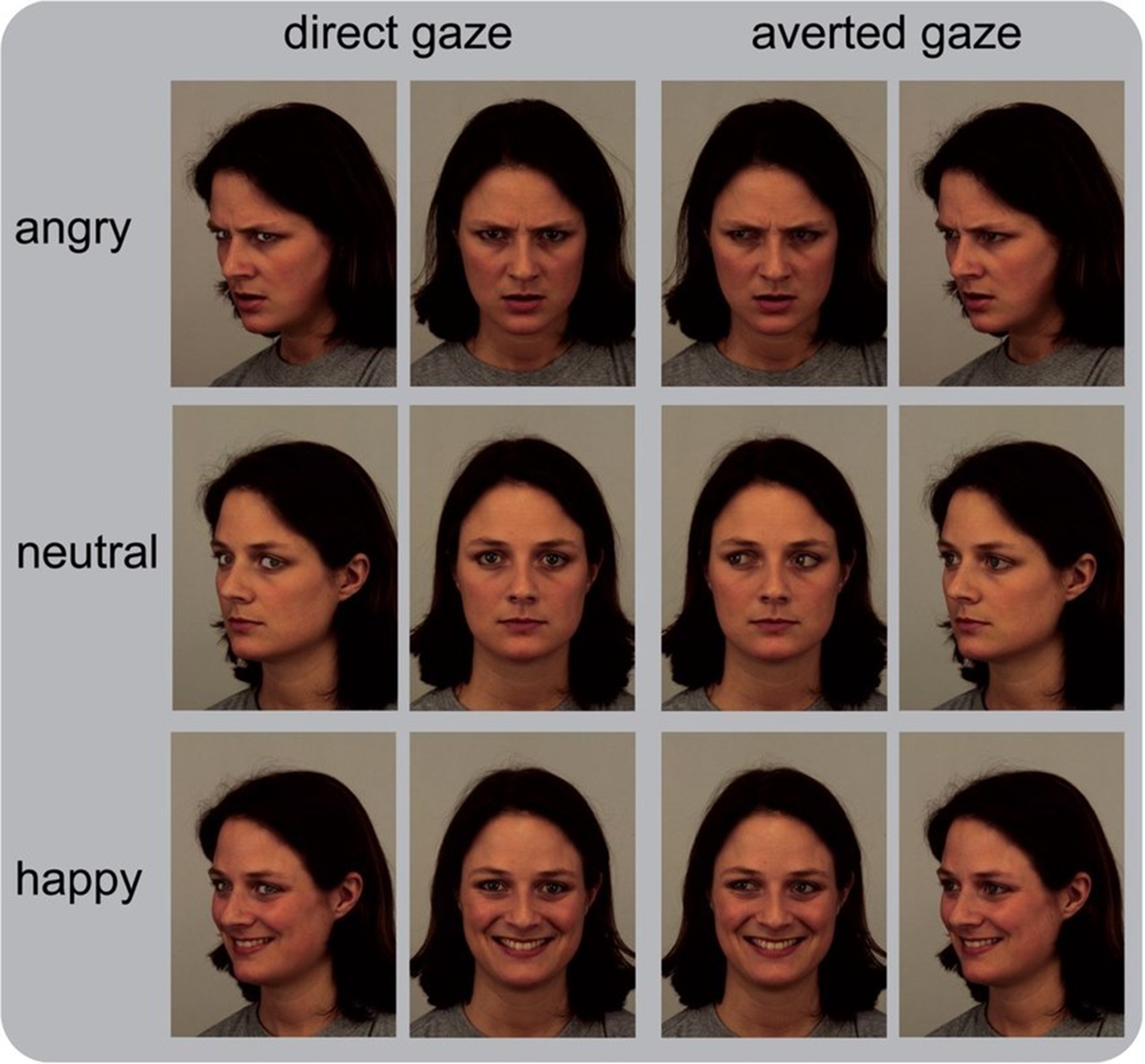
Your face is extremely expressive, able to convey a wide range of emotions without saying a word and unlike other forms of nonverbal communication, facial expressions are universal.
The facial expressions for happiness, sadness, anger, surprise, fear, and disgust are the same across cultures.
Body movement and posture.

Consider how your perception of people is affected by the way they sit, walk, stand, or hold their head.
This type of nonverbal communication also includes your posture, bearing, stance, and the subtle movements you make.
The Zeus Position.

For example, sitting beside the Stroke Survivor as opposed to standing at the bottom of the bed in what we [in the Lend Lease Corporation\} used to refer to as the” Zeus Position.” Intimidating to say the least!
Gestures.
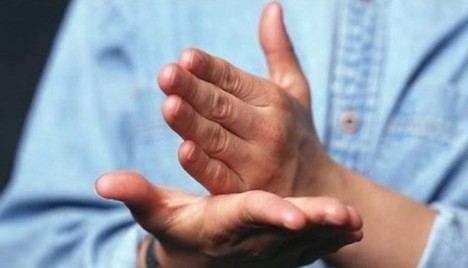
You may wave, point, beckon, or use your hands when speaking animatedly, often expressing yourself with gestures without thinking.
However, the meaning of some gestures can be quite different across cultures.
So, it is important when communicating to Stroke Survivors to be careful of how you use gestures to avoid misinterpretation.
Eye contact.
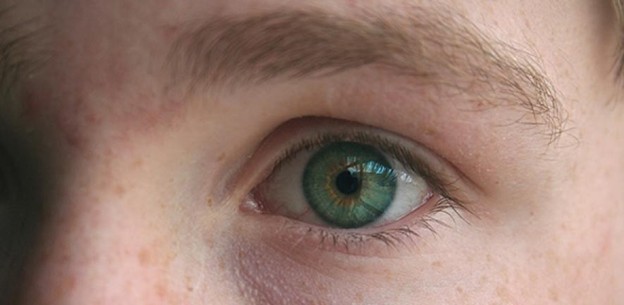
Since the visual sense is for most of us the most dominant, eye contact is an especially important type of nonverbal communication.
The way you look at someone can communicate many things, including interest, affection, hostility, or attraction.
Eye contact is also important in maintaining the flow of conversation and for gauging the other person’s interest and response.
Jargon.
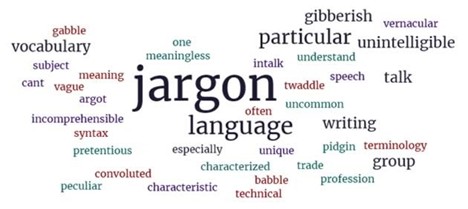
Avoid the use \{if possible] of obtuse medical/clinical jargon-Use ‘plain English’ where possible. Explain clearly if you must use a medical term.
Use Diagrams/Pictures.
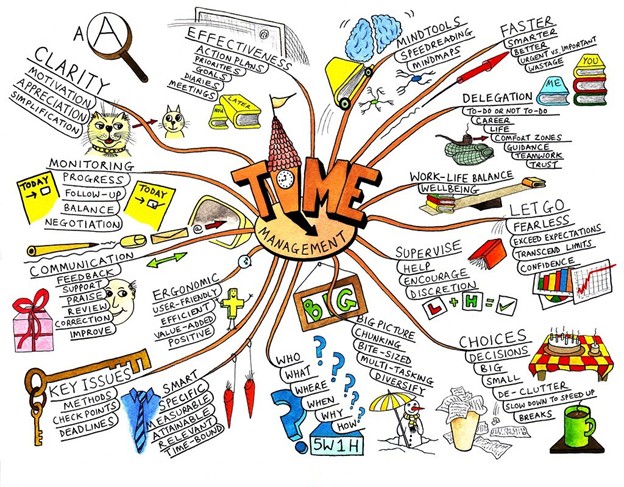
These can further assist communication when explaining the rehab journey. When I was in hospital, I had a drawing of the muscles that were impacted, and the physio was able to explain the benefits of certain exercises I was asked to do.
Touch.
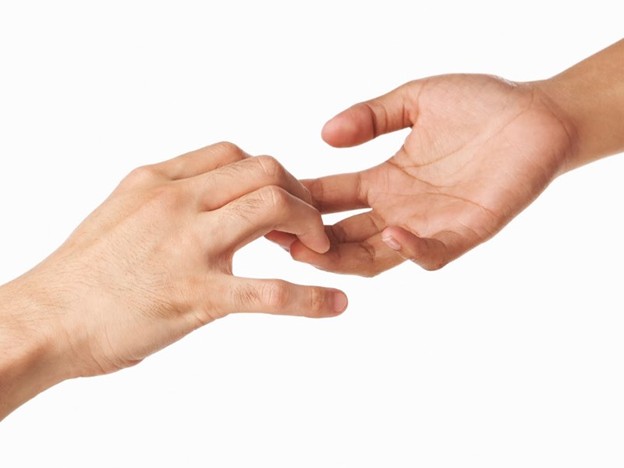
We communicate a great deal through touch. How powerful and soothing is a hand gently resting on the arm or hand of a Stroke Survivor when you are talking to them at their bedside.
Personal Space.
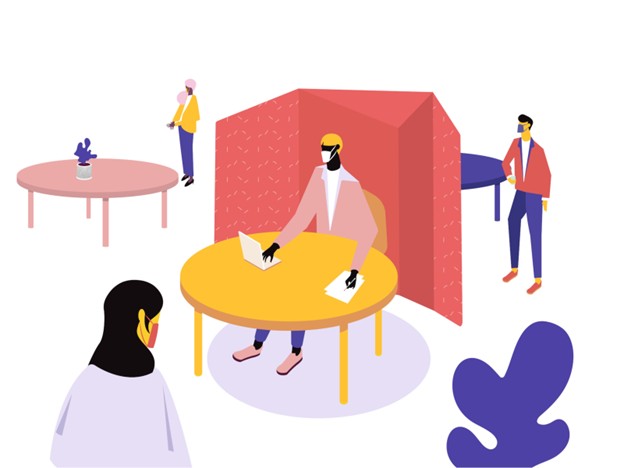
Have you ever felt uncomfortable during a conversation because the other person was standing too close and invading your space?
We all have a need for physical space so respect their need for space. This is just as relevant to a Stroke Survivor
Talking/speaking.

When you speak, other people “read” your voice in addition to listening to your words. Things they tend to notice include your timing and pace, how loud you speak, your tone and inflection, and sounds that convey understanding, such as “ahh” and “uh-huh.
My point is When talking to a Stroke Survivor –
Remember It is not just what you say...It is how you say it.
Brian A Beh- A Stroke Survivor...And Talker.