Why Stroke Survivors Should Never Be Reluctant to Get Involved in Co-Design.

Empowering Voices, Transforming Outcomes
Every day, in fact every 19 minutes, an Australian sustains a stroke—a life-altering event that can leave lasting physical, cognitive, and emotional effects.
As technology, healthcare, and community support systems evolve to better serve those affected, co-design has suddenly \{and rightly\} come to the front of the research bus.
My motivation for writing this blog is to further encourage Stroke Survivors to become involved in co-design, and in my own way highlight some of the issues that creates the reluctance often displayed by survivors to become involved
I accept that there is a myriad of reasons that can prevent stroke survivors from participating, but I think that we can improve efforts to create an awareness of the benefits of stroke survivors getting involved in research activities.
What is meant by Co-Design.
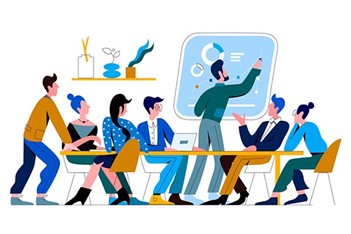
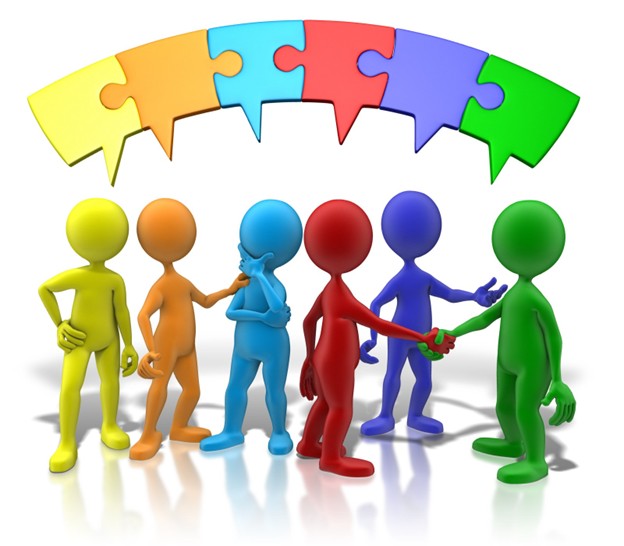
Co-Design is a collaborative approach that actively involves end users—in this case, stroke survivors—in the creation or improvement of products, services, and environments that impact their lives.
As outlined earlier, many stroke survivors feel reluctant to participate. This hesitation is understandable, but it is vital to challenge it.
The contributions of stroke survivors in co-design are not only invaluable to themselves but also to the broader community.
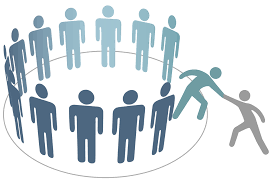
My blog explores the reasons why stroke survivors should never hesitate to get involved in co-design, the obstacles they may face, and the transformative power their involvement can unleash.
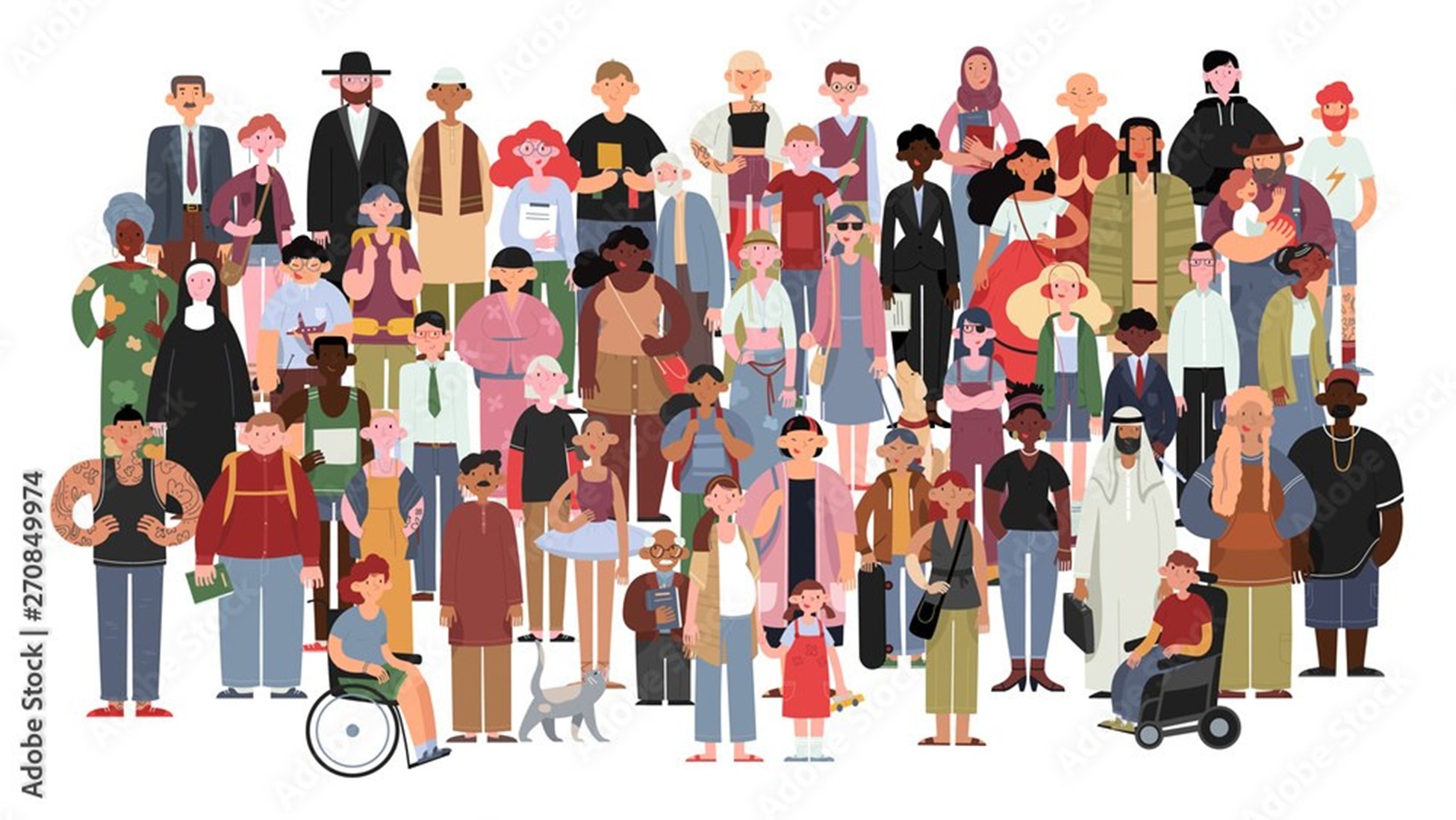
The Power of Lived Experience
Stroke survivors possess a unique, first-hand perspective that cannot be replicated by clinicians, caregivers, or designers who have not lived through the reality of stroke and its aftermath.
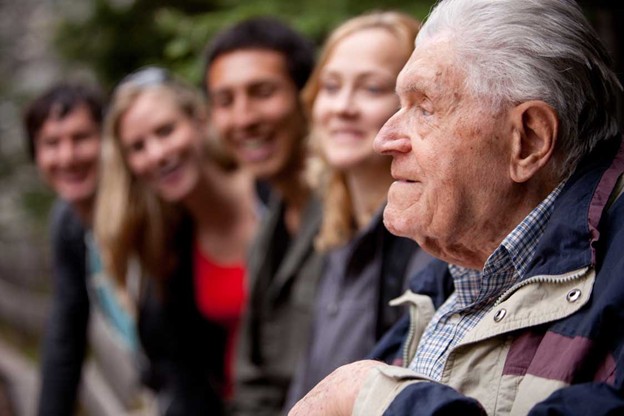
Their stories, frustrations, and triumphs provide a deep well of information that can illuminate unmet needs and drive innovation.
When stroke survivors participate in co-design....
Authenticity is guaranteed:
Solutions are shaped by those who know the challenges intimately, ensuring relevance and effectiveness.
Diverse needs are addressed:
Every stroke is different. Survivors bring individual variations in abilities, backgrounds, and priorities, making outcomes inclusive and adaptable.

Hidden problems emerge.
Survivors can identify issues that might not be apparent to professionals, highlighting practical barriers or overlooked features.
In essence, the involvement of stroke survivors anchors the co-design process in reality rather than assumption.
Breaking Down Reluctance - Addressing Common Concerns
It is natural for stroke survivors to feel uncertain about stepping into unfamiliar roles.

Some common sources of reluctance include - Feeling unqualified.
Survivors may think, “I’m not a researcher or a doctor—what can I contribute?”

Fatigue or health limitations -Ongoing symptoms such as fatigue, aphasia, or mobility issues can make participation seem daunting.
Fear of not being heard - Some fear their input will not be valued, or that professionals will dismiss their contributions.
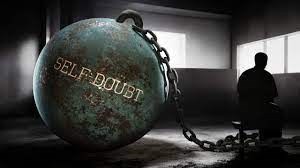
Self-doubt -The impact of stroke can affect confidence, making survivors hesitant to speak up or share ideas.
These concerns are valid, but they can be overcome and are outweighed by the immense value that survivors bring to co-design.

In fact, many co-design facilitators are trained to support participants of all abilities, adapting sessions to accommodate communication or physical challenges and providing reassurance that everyone’s voice matters.

An Invitation to Stroke Survivors to Shape the Future
Co-design thrives on the courage and honesty of those who have experienced stroke firsthand.
While it's understandable to feel hesitant or unsure, survivors should remember that their Lived Experience is irreplaceable.
By getting involved, they not only shape the future for themselves but also for countless others navigating similar paths
If you are a stroke survivor, your story, your challenges, and your ideas matter. Your participation can turn obstacles into opportunities and dreams into reality.
Never be reluctant to join the conversation. You are the expert the world needs.
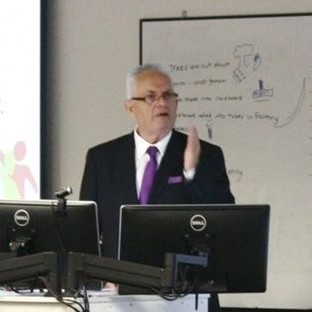
Brian A. Beh - A Stroke Survivor.