Maureen shares her story #strokeweek

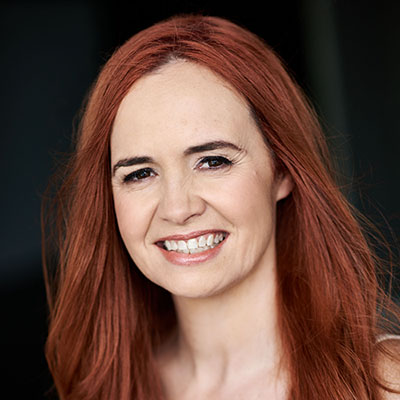
Six years ago at the age of 41, I was very busy mother of 2 young children, part time security guard, secretary of my son’s junior football club. Always on the go, I was reasonably fit and healthy.
On the 18th of May 2010 at 9 am, I had just arrived home from taking my daughter to school. That day, my son Nick was home from school as he wasn’t well. As I arrived home, my mobile phone rang. I was unable to push the buttons to answer it and called out to Nick to help me.It was my ex-husband Eddie.
As I spoke to Eddie, he asked why I was talking funny. I didn’t have a clue what he was talking about so I handed the phone to my son. Nick relayed messages from his father which included asking me to lift up both my arms, which I couldn’t do. Straight away, Eddie said
“Tell Mum she is having a stroke. I’ll be there in 5 mins”.
Eddie arrived at the house 5 minutes later and within half an hour I was at Frankston Hospital Emergency Department. I was totally confused. I didn’t understand what was happening to me. I was young, fit, active. I didn’t suffer any symptoms or warning signs that a stroke was about to happen.
Luckily, I had arrived at the hospital so fast and as I had an ischemic stroke (which is a blood clot), I was able to receive treatment in the form of a clot busting drug which greatly reduced the damage to my brain.
Afterwards, I was admitted to the stroke ward for 2 weeks where I underwent tests to see what had caused the stroke. I was then transferred to a rehabilitation hospital where I started off in a wheelchair, unable to move my left arm or leg. Also, my speech was affected.
I underwent physiotherapy for both my arm and leg, speech therapy, was under the care of a neurologist and a dietitian. After 6 weeks, I was allowed to return home as an outpatient.
Five years later I do weekly Pilates as rehab at The Sports Injury Clinic in Frankston. TSIC have been very important to my recovery as my physio/part owner Michelle Blake diagnosed and cured a partially frozen shoulder.
Despite this, I am one of the lucky ones. My ex-husband knew the warning signs of stroke. Had I not received treatment as fast as I did, my life could have been so different. I may have never been able to walk or talk again, drive my car, shower or dress myself, read books, return to work or interact with my children. The F.A.S.T. message is so important because the more public that know about it, the sooner treatment will be sought for someone having a stroke, thereby minimising the devastating damage a stroke can cause.