Why Your Voice Matters in Stroke Research

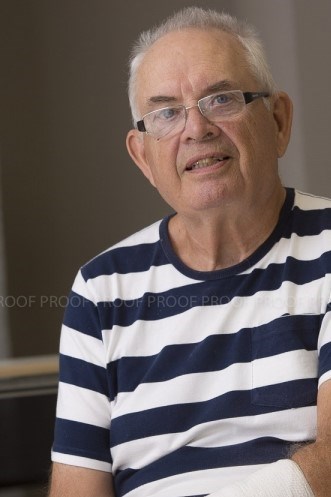
By Brian
Having a stroke changes your life in ways that are hard to explain. It affects your body, your emotions, your independence, and even your relationships. Doctors and researchers know a lot about strokes, but they can’t always fully understand what it’s like to live through one every day.
That’s why I believe survivors like me need to be part of the research process. Our experiences give a perspective that no textbook or lab can teach. When I get involved - from helping shape the questions researchers ask, to giving feedback on the results - I know the research is more likely to focus on what really matters to people like me.
For example, I can speak about things that aren’t always obvious in a hospital or clinic: gaps in rehab services, the mental health support that’s missing, or how hard it can be to communicate with doctors and therapists.
Being part of research also means I can help make it more accessible. Fatigue, mobility issues, trouble speaking or thinking clearly, and transport difficulties - these are real barriers. I can tell researchers what changes might help someone like me participate. That could be adjusting schedules, simplifying forms, or thinking carefully about how data is collected.
I can also help make research more respectful. Sometimes questions or study topics can feel intrusive or even trigger painful memories. By sharing my perspective, I help make sure participants’ rights, privacy, and emotional wellbeing are protected.
Being involved in research is empowering. It turns me from a passive subject into an active partner. I get to help shape the future of stroke care, and my voice matters. Working alongside researchers helps build respect and understanding between survivors and the medical community, and breaks down the traditional hierarchy where only “experts” make the decisions.
Over time, these partnerships can grow into advisory panels or ongoing survivor groups that continue to guide research. Survivors also bring stories and real-life experiences that make findings easier to understand and apply. We help translate research into everyday language, teach communities, and champion better care and policies.
Most importantly, survivors bring fresh ideas and a reality check. We remind researchers what life is really like after a stroke. We can suggest new ways to measure recovery, highlight challenges that haven’t been studied yet, and inspire solutions that are practical, creative, and grounded in real life.
Being part of research doesn’t just help science - it helps people. It makes studies more relevant, care more effective, and recovery more achievable. And that’s why our voices matter.