Stroke Survivors share their one-handed skills in the kitchen.

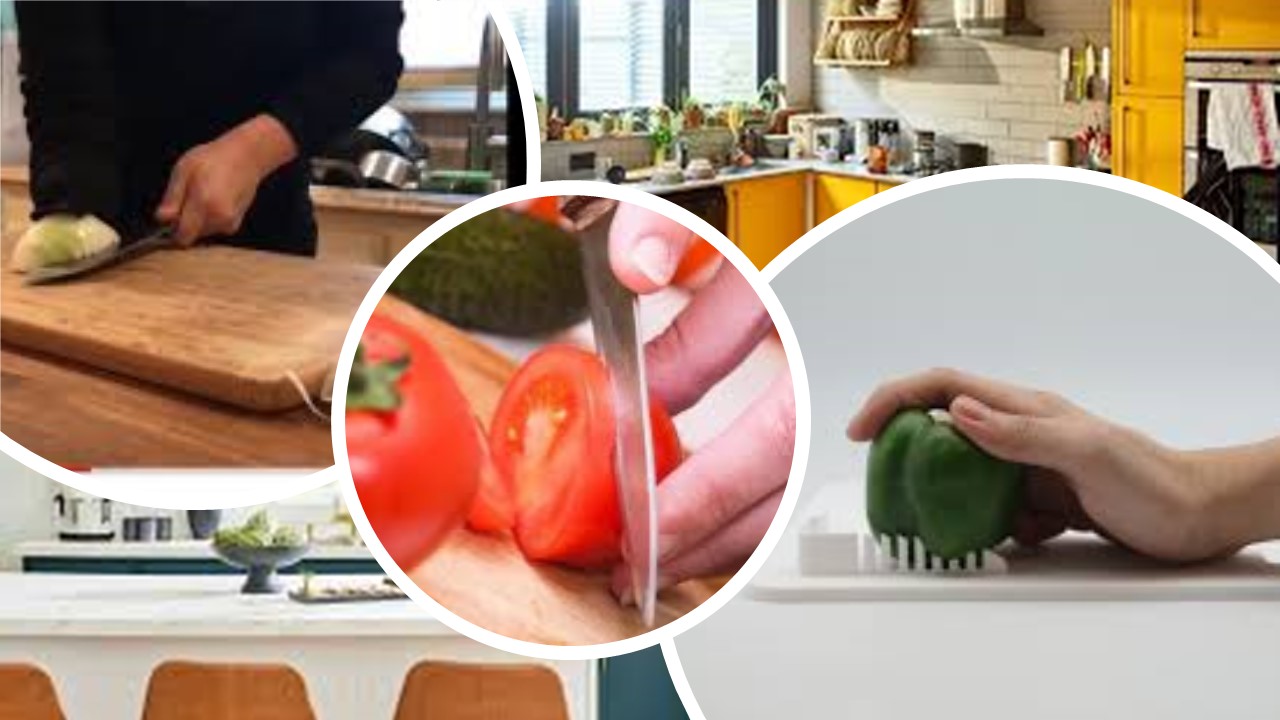
Greetings, Thrill Seekers, and Fellow Time Travellers, today you are going to see how three stroke Survivors (Colin, Clive, and Julie) have overcome the culinary challenges presented because of their strokes.
All three of this amazing, generous trio have reduced use of one of their hands and you will see how they have overcome the associated challenges.
That’s right, another example of stroke survivors sharing, for the benefit of other stroke survivors, how they've overcome the challenges of preparing food, cooking and other associated culinary tasks
These hints/tips are just a click away on Hints and Hacks on I-REBOUND, the Everest in "After Stroke Resource" in the Australian Stroke Landscape.
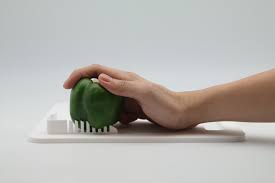
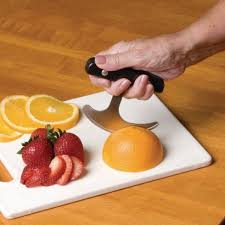
Colin will show how he dices celery; Julie provides some one-handed cooking tips; whilst colin demonstrates his “One Pot Cooking” technique. Whilst Clive talks about the range of gadgets that make his life easier in the kitchen.
But before we meet these culinary oracles let’s hear from Julie Davey a member of I-REBOUND’s Consumer Advisory Group, as she introduces Hints and Hacks.
OK Thanks Julie, Lights…Camera…Action
Colin demonstrates his method of dicing celery with one hand.
Julie demonstrates some tools she uses in her kitchen.
Julie demonstrates some tools in her kitchen. which make one-hand cooking easier for her, e.g.: a good garlic press can be very helpful and the types of knives which are easier to use when you are cooking with one hand
Colin demonstrates how he uses the 'One Pot' technique to prepare a meal with one hand
Useful kitchen gadgets to help one handed cook
Clive demonstrates kitchen gadgets he uses to help him in the kitchen including [among other items] a Bread board/chopper and the benefit of a non-slip mat.
These examples are the Tip of the ” Foodie” Iceberg.
That's right Gang, there are many more examples which can help those stroke survivors who are dealing with the challenge of reduced mobility on one hand on Hints and Hacks.
There is also a motherload of information on dietary tips and exercise routines in Eat Well and Move More on the I-REBOUND website.
Stay awhile on I-REBOUND.
So, when you're looking at these tips why not take a digital wander and have a look at the other information that's available on I-REBOUND.
It will surprise you – but – will help
I-REBOUND – It’s Origins and Objectives
Professor Coralie English. University of Newcastle, who provided sage and strategic leadership to the I-REBOUND Project explains the origins and objectives of this truly unique initiative.
The website was funded by the Stroke Foundation (using funds from the Nancy & Vic Allen Stroke Prevention Memorial Fund Grant\}.
The I-Rebound website has been developed by the Stroke Foundation and the University of Newcastle and co-designed with Stroke Survivors. It has been designed to reduce the risk of subsequent strokes by providing resources for eating well and moving more.

My Key Message.
Stroke Clinicians- Introduce your Stroke Survivor to I-REBOUND. They will be grateful and importantly it will assist them in their Post Stroke Life.
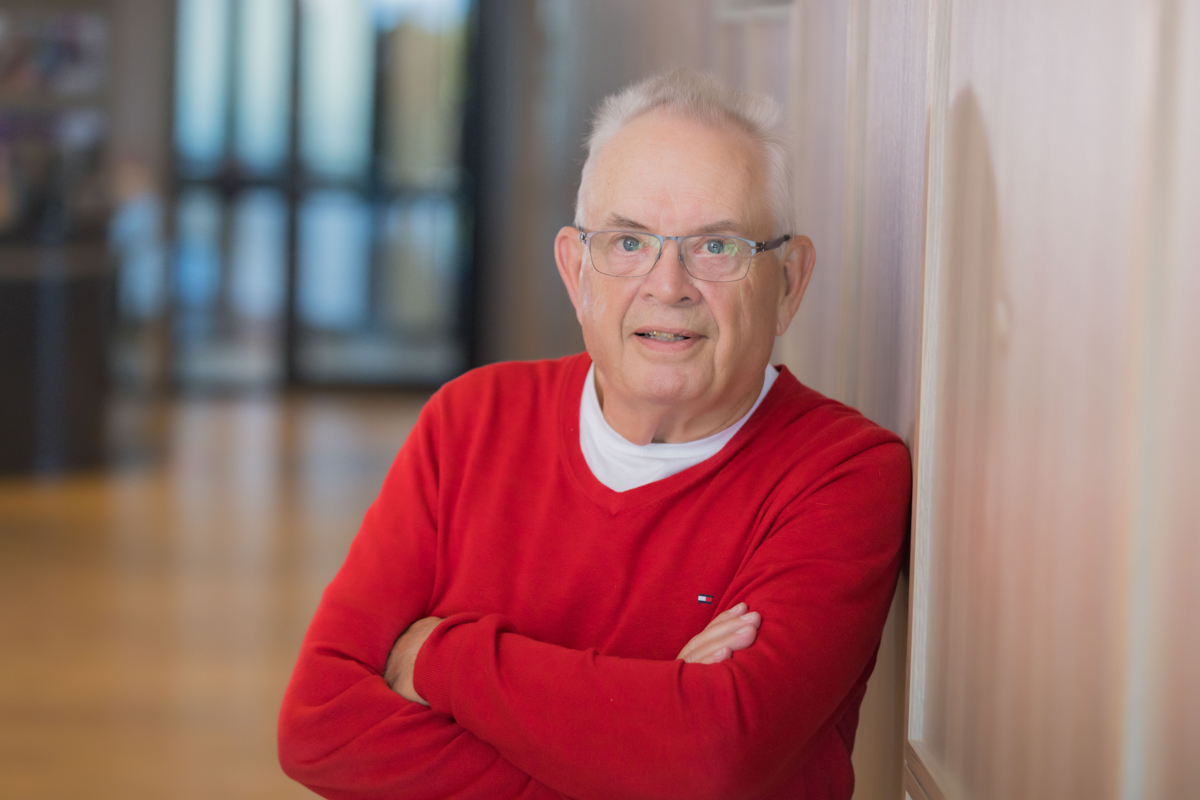
Brian A Beh, Stroke Survivor, Advocate, Investigator
Lived Experience Researcher
Lifelong Member of the Hopalong Cassidy Fan Club
Poet, Philosopher and Child of the Cosmos
Survivor of The 60s
Winner "Improving Life After Stroke" Category
Stroke Foundation of Australia 2021 National Awards.
&
Inaugural Chair, Consumer and Community Advisory Group
The George Institute for Global Health - Australia.