Just Wing It: Advice on Starting a Stroke Support Group from Amy Jennings

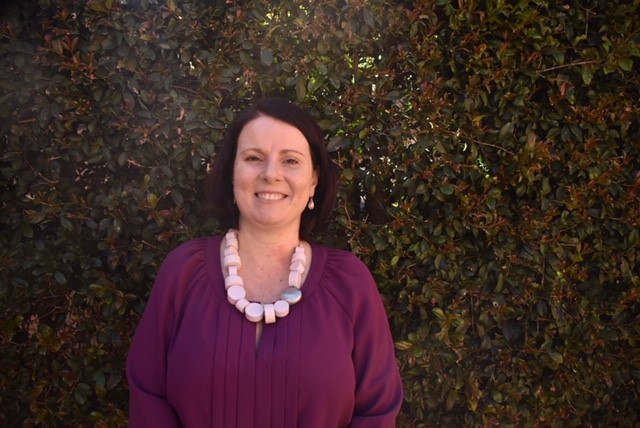
What inspired you to start a stroke support group?
When I first had my stroke, I lived in a small town called Tallwoods Village, about 15 minutes north from Forster at the Mid North Coast from New South Wales. I have aphasia and after the rehab, I came back and I was like “well, what do I do now?”. My husband was working, and I was just pottering around.
I wanted to connect with other stroke survivors. I didn't know if there was a stroke survivor group in my town. I searched online and I found one that met twice a month. It’s called Great Lakes and Manning (GLAMS) in Forster.
Then I moved seven hours away to a different rural town (Yass). There were no facilities or any groups available, so I had to start again with everything. After that, my husband got another job, and we moved back north, about an hour from my old town (Forster). It was hard in this new town (Port Macquarie). It has a huge population (regional) with a lot of stroke survivors but there were no stroke support groups in my area.
I just had to start one up! Now we've got a mixture of young survivors, older people with strokes and carers in the group.
Why are stroke support groups important?
The groups provide opportunities for stroke survivors and their carers to come together. You can pick and choose to meet in person or online platforms as well.
Before the person comes to a meeting, I would have a chat one-on-one to get them confident about the group. Support groups reduce social anxiety and improve mental health for stroke survivors. There’s the opportunity to learn and educate each other based on your experience. Age doesn’t matter.
Through coordinated groups you can keep abreast of stroke and aphasia research and share information. Opportunities exist to create networks across the country, including in regional and remote communities and to hold statewide events. Groups across the country can build a bigger voice for stroke advocacy.
How did you start the group?
I had only just moved to Port Macquarie. The Stroke Recovery Association New South Wales helped me organise the materials and the contacts – clinicians, other stroke survivors, anyone who wants to come. We had a launch at our local club and a collaboration with the Stroke Recovery Association NSW.
At the launch I said: “I want to start up a group, do you want to come? I'm going to set the time and the dates. If you can come along, that would be brilliant.”
I didn't really know what the agenda would be – I thought just having people share their stories. Then the group morphed and changed. That was maybe six or seven years ago.
So how do you find members for your group now?
It is really hard. We are very a niche market. Sometimes it can be really random. Once I was at the supermarket and noticed a person who I thought may have had a stroke. I approached them and kindly said “Hi, have you had a stroke?”. He's like, “Yeah, I've had a stroke, and I have aphasia”. I said, “Oh my Gosh, so have I” and that's a connection.
I check in with the hospital and ask them if they have flyers or pamphlets from Stroke Foundation or the Stroke Recovery Association New South Wales.
I volunteer at a Wauchope Rehab that assists stroke survivors. I go to see the stroke survivors and ask how they are coping. At the Wauchope Rehab, they have the Stroke Foundation booklets. This is how we get some of our members.
Because we meet at the local club, our stroke support group information is displayed on the club’s TV promoting what's on at the club. So we've got some members that have come from the club when they’ve gone out for a dinner.
My town is on the coast. People live a very different lifestyle – there lots of tourists and retirees. Some retired people tell me: “I’m just caravanning around, and I would like to come along to your support group. I’ll email you when I’m coming back to town.” And that's great.
We have regulars that come to every meeting. Then we've got others who come four times a year – they’re checking in and out, and that's fine. It is a regional town which is spread across a large local government area. It can be tricky for people to come to meetings especially if they don’t have transport. In our local government area, we have Dunbogan to Port Macquarie and west to Wauchope and back – it’s huge!
How do you meet your members’ communication needs?
Emails! I’ve got a contact list for all our members. This includes their name, number and email address.
Every time a new member is coming to our group, I have an information pack including flyers and supports to assist living with stroke. Every time we have a meeting, I do an agenda and send it to all our members, so they know what is happening.
I circulate important information and newsletters from organisations like Stroke Foundation, Stroke Recovery Association New South Wales, Australian Aphasia Association and others stroke and aphasia related group e.g. Port Macquarie Hasting Council, and Curtin University WA who does a meditation group online. For example, if there is an interesting webinar coming up, I’ll forward the email to members so they can register if they want to.
Sometimes we might have a celebration, and all catch a bus to a venue. I like to go and inspect a few different venues. I will see if location is accessible for all of us. I will check if there is wheelchair access and see if the noise level acceptable to allow people with aphasia to communicate. Then I’ll share the best options with the group so they can decide which one we go to.
If you were talking to someone thinking about starting a group, what advice would you give them?
If you want to really start up a group, just wing it! That’s what I did. It’s about connecting.
Think about the type of group you could run. Are they going to be young people, older people, people with children?
I didn’t know who would be coming to my first meeting. I didn’t care. I just wanted to wing it. Once I met the mix of people that came to the first meeting, I then thought about the type of group that would suit them best.
If you can ‘read a room’ and have awareness of people’s needs who attend, you can decide what type of group would fit them well. It might be a structured group, or it might be a once a month catch up for a coffee.
Really, it’s all about making connections. Just set it up and WING IT!
Like to find out more about the Port Macquarie Stroke Club? Stroke Recovery Association NSW
Want to find a stroke support group in your area? Support groups | enableme - stroke recovery and support