The Heroes of Stroke -My Tribute To Stroke Week 2025.

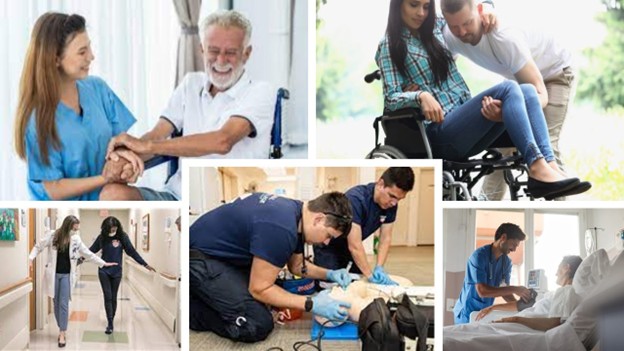
Champions Without Capes: The Real Faces Behind Progress.
When we envision heroes, our minds often conjure images of individuals cloaked in vibrant capes, leaping from rooftops, or racing into danger to save the day.
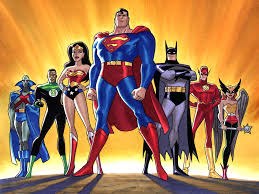
But in the world of stroke I have found that heroism takes on subtler, yet no less extraordinary forms.
Here, the real heroes do not soar through the skies or possess supernatural strength.
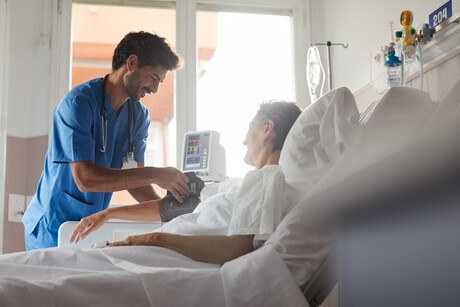
Instead, they are grounded, tenacious, and driven by a relentless pursuit: to unravel the mysteries of the human brain and bring hope to millions affected by stroke.
With the advent of Stroke Week 2025, I would like you to spend a few moments reading my essay on the Heroes of Stroke.
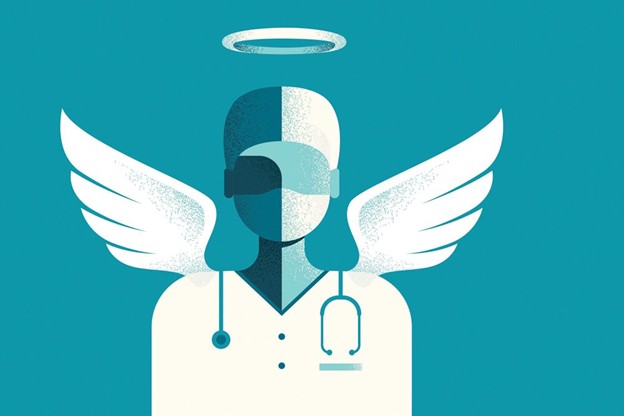
Redefining Heroism: Beyond the Cape.
A hero, by its truest definition, is someone who acts for the good of others, often at personal cost and without expectation of reward. In the sprawling, intricate field of stroke, these heroes walk among us—sometimes unnoticed, always steadfast.
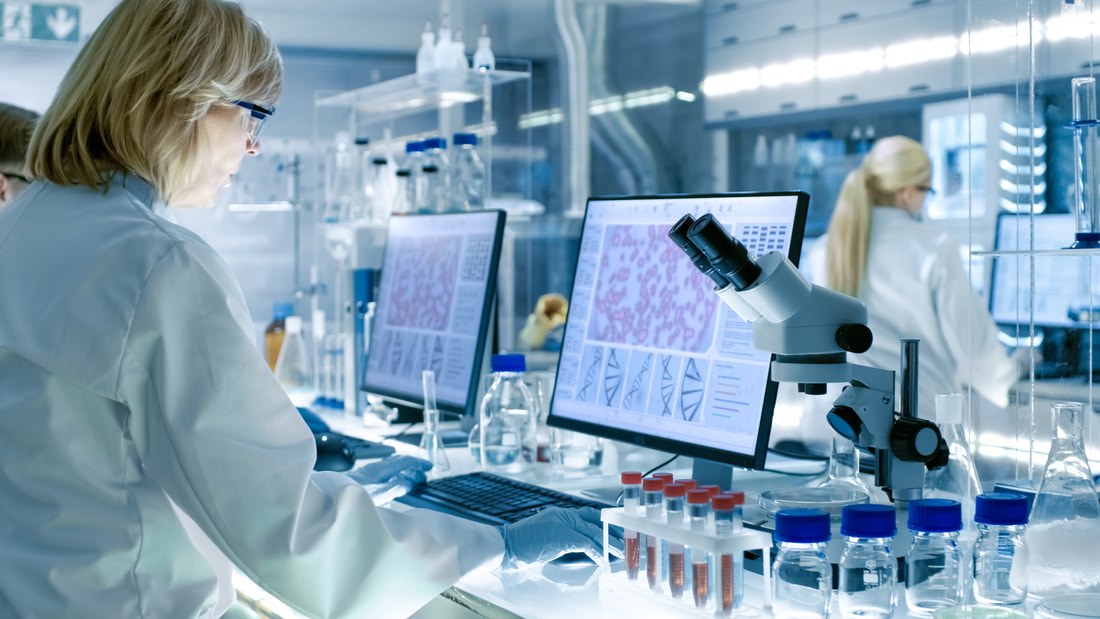
They are researchers, hunched over microscopes long after the world has gone to sleep, clinicians balancing compassion with evidence, survivors lending their stories, and families fuelling hope through advocacy.
Their heroism is not measured in acts of daring but in perseverance, empathy, and an unwavering commitment to progress.
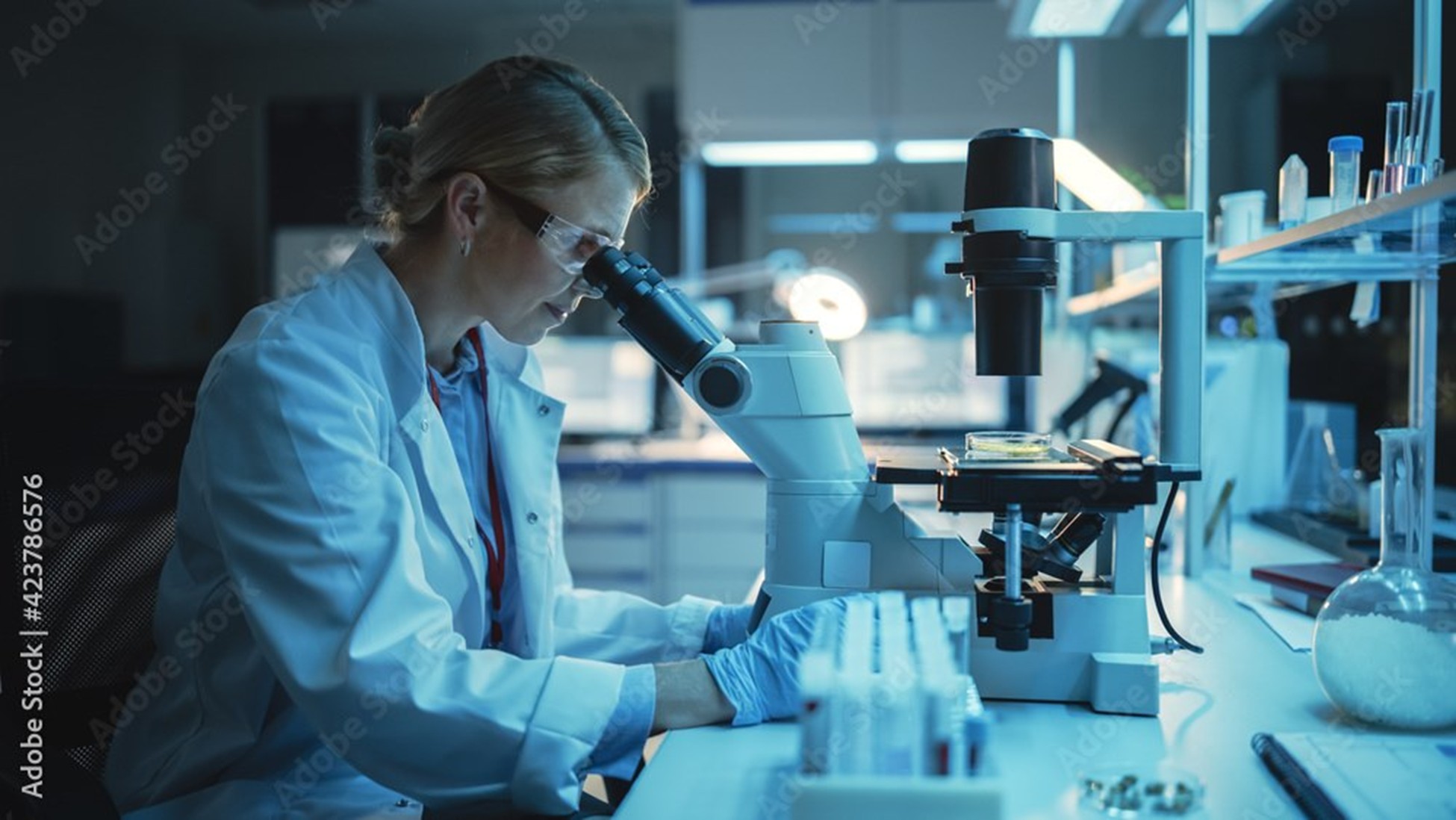
The Scientists: Architects of Discovery
In research institutes, universities worldwide, teams of neuroscientists, biochemists, and medical technologists form the vanguard of stroke research. Their days are filled with detailed experiments, rigorous data analysis, and endless troubleshooting.

Dedication Amid Uncertainty
Scientific progress is not linear. For every breakthrough, there are countless dead ends. Yet, these researchers persist, often for years, before a promising discovery emerges.
Their resilience in the face of setbacks exemplifies a quiet heroism: the refusal to surrender to frustration, the willingness to question assumptions, and the humility to learn from failure.
I am in a constant state of awe at the sheer power of their intellect and mental curiosity
Collaboration and Innovation
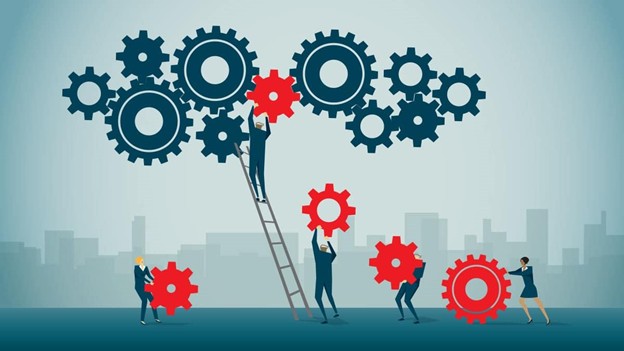
The modern stroke landscape is collaborative. Teams span continents, disciplines, and languages, pooling knowledge,and resources.
Innovative technologies, such as high-resolution brain imaging, and artificial intelligence, are harnessed in pursuit of answers. These scientists are not lone geniuses; they are part of an evolving tapestry, each thread strengthening the whole.

The Clinicians: Bridging Science and Care
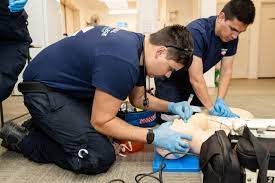
The heroes in white coats—neurologists, radiologists, nurses, paramedics,physos, occupational therapists, speech therapists—translate laboratory insights into lifesaving treatments.
Their work is defined by urgency: every second counts when a stroke strikes. Their calm precision in emergency rooms, rapid decision-making, and delicate communication with families are acts of quiet Valor.
First Responders: The Frontline of Hope
First responders, often the first to recognize stroke symptoms, are crucial. Their ability to act swiftly—administering clot-busting drugs, facilitating rapid transport to emergency departments—can mean the difference between life and death, recovery, and lifelong disability.
As someone who saw first-hand these qualities, they are to be much admired and respected.
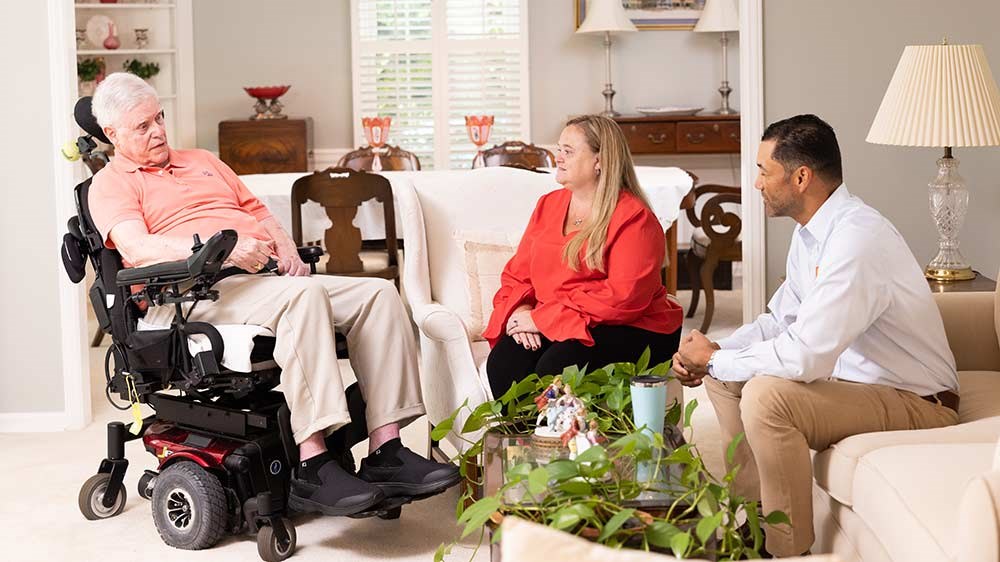
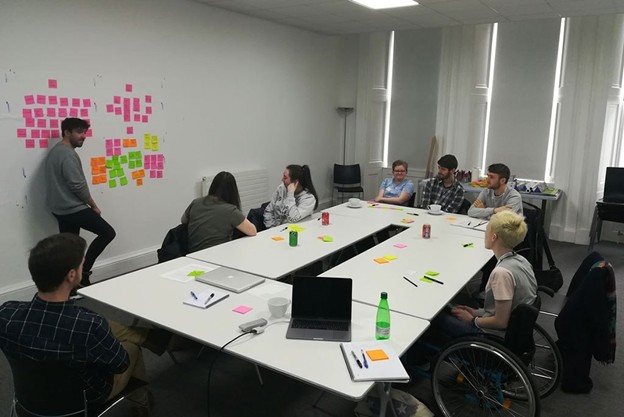
Perhaps the most unsung heroes are the individuals who experience strokes themselves
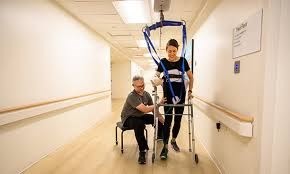
They endure uncertainty, pain, and the gruelling work of recovery.
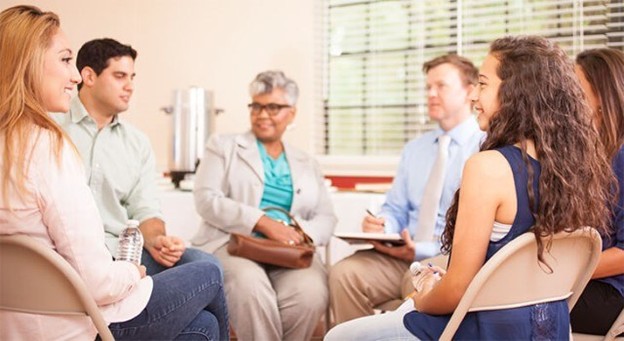
Many choose to participate in clinical trials, contributing invaluable data that will guide future treatment. Their willingness to share their stories, hopes, and setbacks personalizes the science and inspires ongoing research.
My memory is visited every day with the names of these survivors and their absolute courage.
A Voice for Change
Patients and survivors who become advocates magnify their impact.
They speak at conferences, participate in awareness campaigns, and support research funding. Their Lived Experience grounds the abstract and serves as a powerful motivator for scientists and clinicians alike.
The Families and Caregivers: Pillars of Support
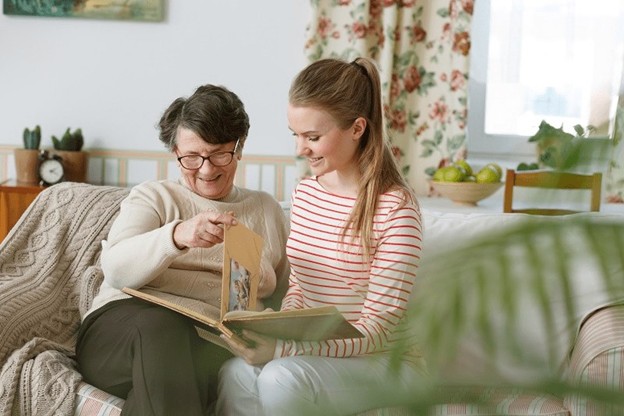
Behind every stroke survivor is a network of caregivers: family members, friends, and community volunteers. These individuals shoulder immense emotional, financial, and physical burdens. They learn new skills, provide daily care, and advocate tirelessly for their loved ones.
Resilience in the Shadows
Caregivers’ sacrifices are often unseen and unheralded, but they are the backbone of recovery and adaptation. From managing appointments and medications to offering unwavering emotional support, their role is indispensable.
The Power of Community - United for a Cause
The Stroke Landscape thrives because of the symbiotic relationship between all these players. Conferences, support groups, and online forums foster communities where ideas are exchanged, encouragement is offered, and progress is celebrated.
This sense of shared purpose and collaboration accelerates discoveries and ensures that no one walks the journey alone.
Stories of Everyday Heroism
The annals of stroke are filled with stories that rarely make headlines but that change lives profoundly -
-The technician who perfects a new brain imaging protocol, allowing earlier detection of stroke damage.
=The nurse who stays past their shift to comfort a frightened patient’s family.
=The survivor who, despite speech challenges, volunteers in a study to improve rehabilitation techniques.
=The caregiver who transforms a home to accommodate new needs without complaint.
=The student who chooses a research project that could, one day, prevent strokes in at-risk populations.
=The educator who spends time after the lecture to help the student clinician with their assignment.
Each of these acts, small in isolation, adds up to a legacy of heroism equal to any legend from comic books or folklore.
Ordinary People, Extraordinary Impact
The real heroes of stroke rarely seek the spotlight. They labour in labs, clinics, universities, homes, and communities, motivated not by applause but by the possibility of changing a life—or many lives—for the better.
During Stroke Week 2025, please take a moment and ponder the monumental progress made in stroke prevention, treatment, and rehabilitation, and let us remember to honour those whose steady, often unseen work made it all possible.
In their dedication and humanity, we find the essence of true heroism—a reminder that you do not need to leap off tall buildings to change the world.
Sometimes, you only need to care enough to try.
My Hall of Heros.....
I have just finished reading the article, "Turning Lived Experience into Advocacy," which was published on the Stroke Foundation's website. It details my journey from being a stroke survivor to becoming a full-time stroke advocate in both Australia and the U.K.
I was overwhelmed by the powerful words used by the author to describe my story, but I want to acknowledge the support and encouragement MY HEROS provided as I grew to understand and utilize the value of my lived experience.
I am hesitant to name individuals, as I might overlook someone, but Associate Professor Simone Dorsch holds a special place in my post stroke life.
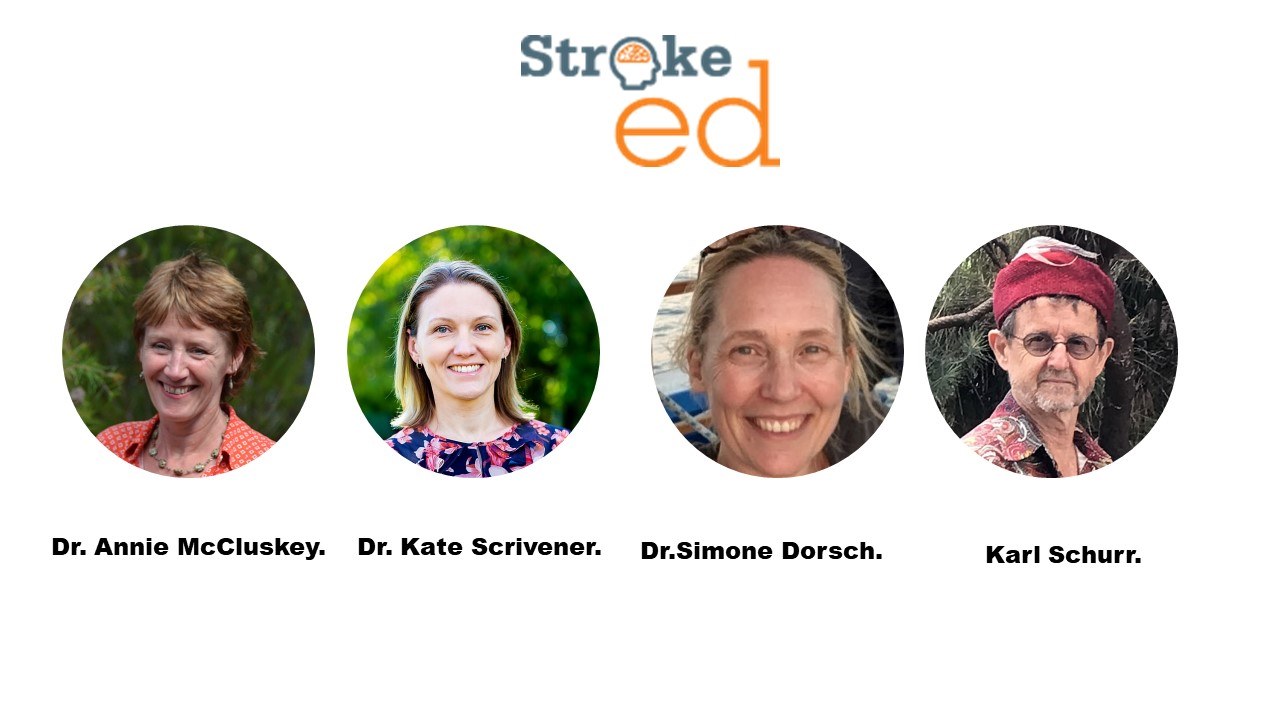
Associate Professor Simone Dorsch, a noted Stroke Educator (Senior Lecturer, Australian Catholic University) and a Director of StrokeEd, an internationally renowned Stroke Rehabilitation Education Collaborative.
She was the catalyst who ignited my passion for education and honed my skills as a stroke advocate.
Over the past two years I, together with other stroke survivors, at the gracious invitation of Simone have participated in several Stroke webinars which were viewed by worldwide audiences of clinicians.
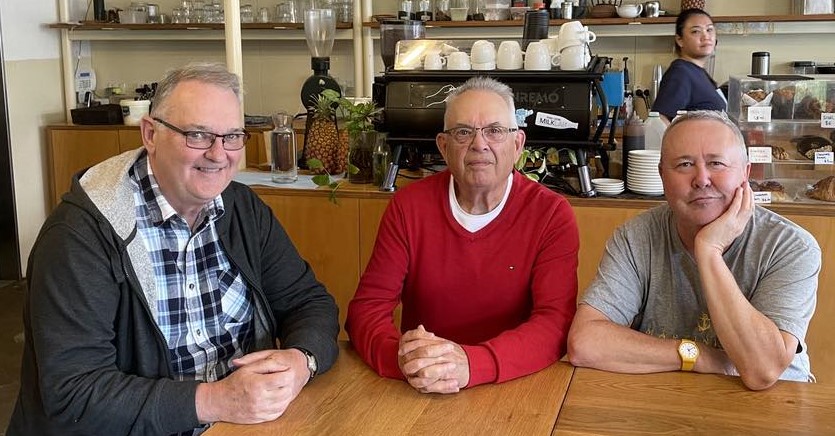
Two special friends…
These two gentlemen have been with me since the beginning. On my right is Tony Wildman, noted Australian Author, and on my left is the PR Maestro [now retired], Robert Gibbs.
In case you are wondering I am the mature eye candy in the middle!!
Tony Wildman is a leading Australian Writer and Historical Novelist, and I would recommend his works to the discerning reader. You can keep up to date with Tony’s writings and his other literary activities on his website, Anthony D, Wildman.
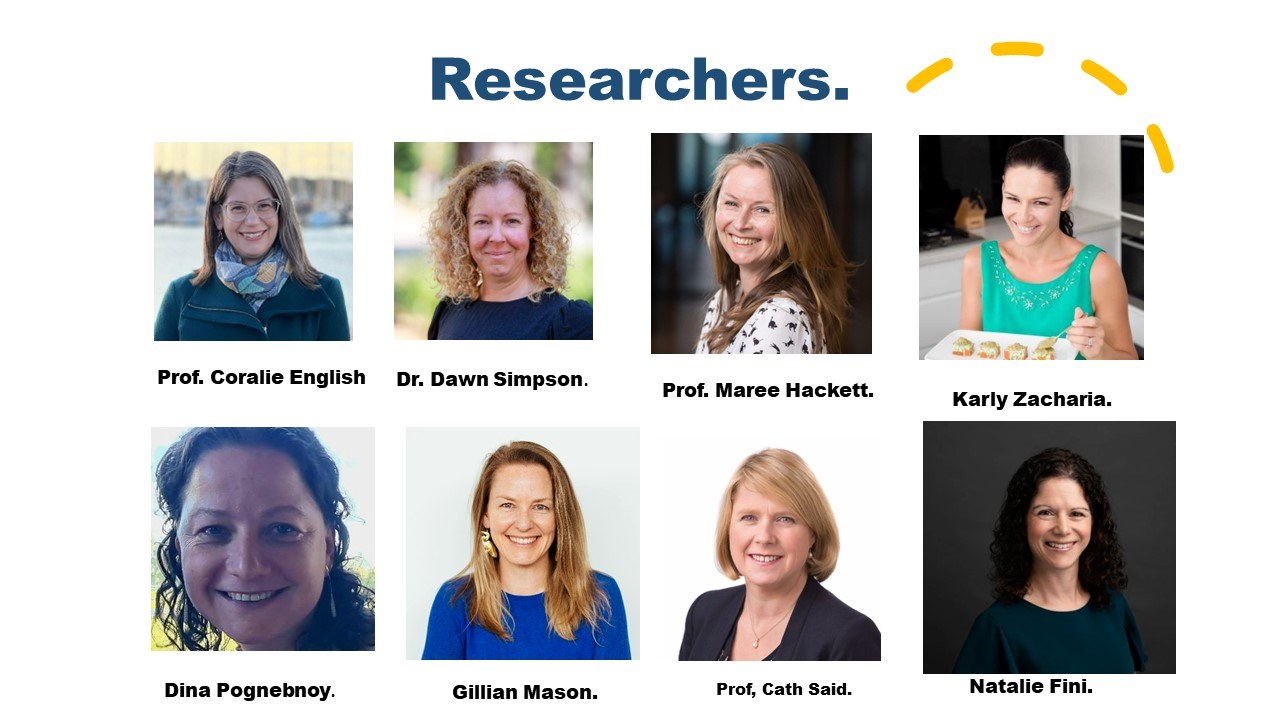
Researchers.
I would like to thank the following people who welcomed me as a Consumer into their various research projects.
People like Professor Coralie English from Newcastle University, the leader of the I-REBOUND gang, which also included Karly Zacharia, Gillian Mason, Dr.Dawn Simpson and Dina Pogrebnoy.
The level of collaboration among the Trifecta partners in the I-REBOUND project was equal to or surpassed some of the massive projects I was responsible for in my corporate life.
Other names that come to mind that I have worked with include (in part) Professor Catherine Said, Professor Marie Hackett, Natali Fini, Natalie Trevaskis, Mohammad Abdallah
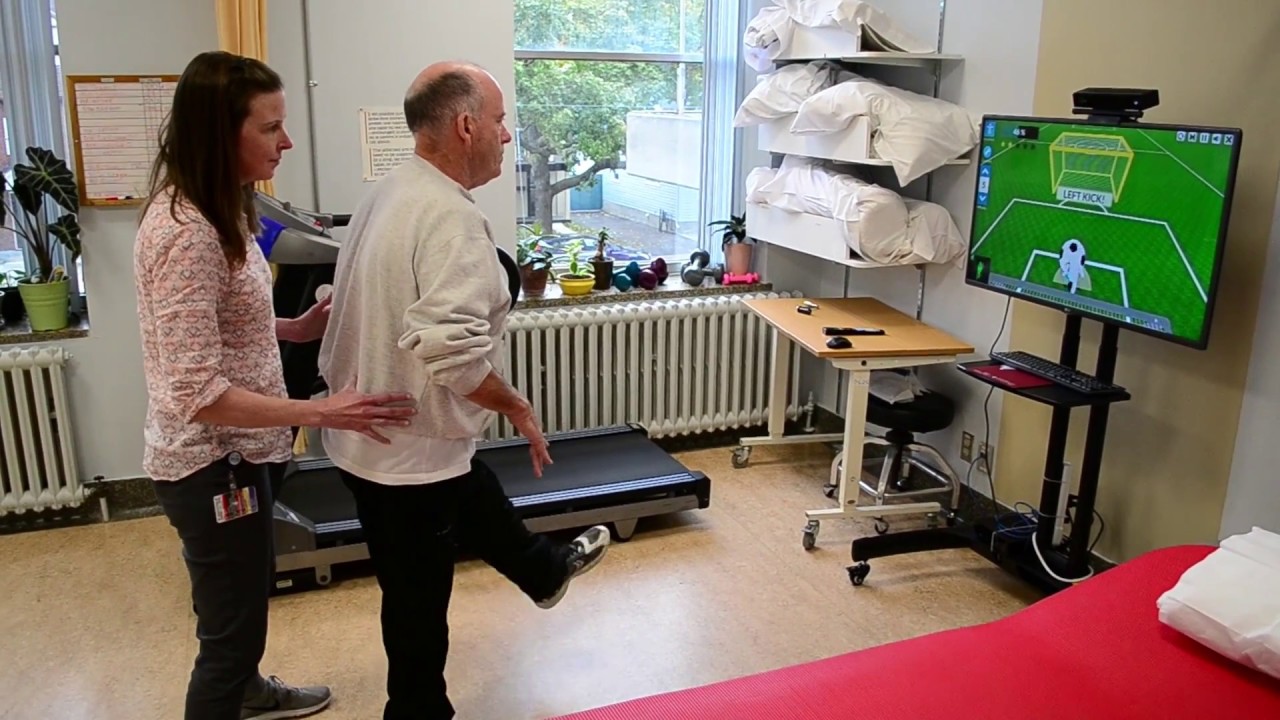
Occuping a special place in my Hall are the Clinicians - the Physiotherapists, Occupational Therapists, Dietitians, Speech Therapists who with their expertise and curative skills assist Stroke Survivors in hospital Rehab Gyms, Outpatients Departments, and private practice.
They are the people who can bring to life the latest research findings in the form of meaningful and relevant rehab strategies to aid Stroke Survivors in their recovery
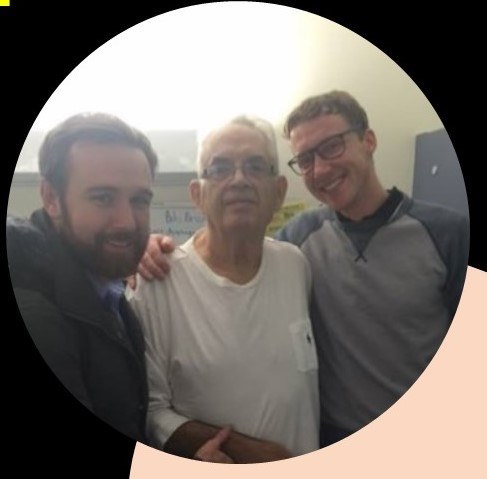
The ones that come to my mind who were involved with putting me back together again are names such as Laura King, Julie Nugent, Fin Lowe [in above pic on my right] all from Bankstown Hospital who were with me from the start of my rehab in April,2016.
Their names cross my mind every day
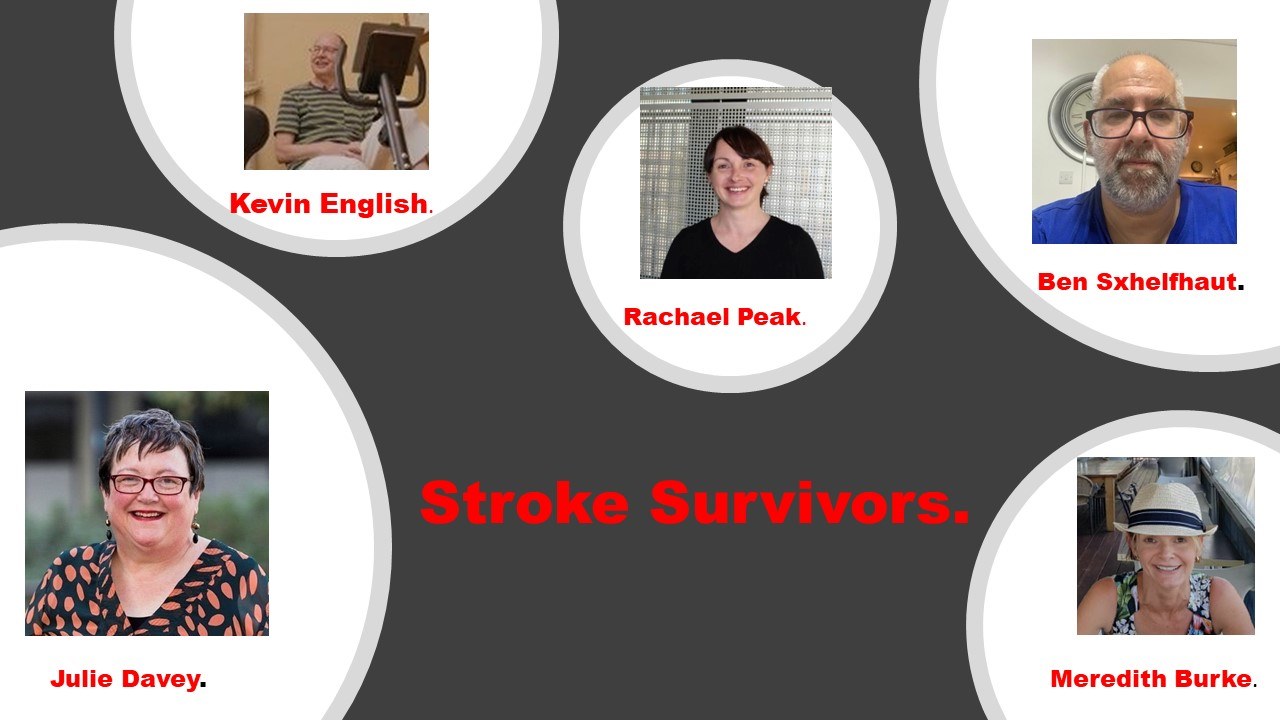
The final stop in my Hall of Heros are the Stroke Survivors, people who have been beset by the ravages of Stroke but who have refused to accept the deficiencies of their stroke and through their grit, inner courage overcome these challenges.
Each of them has displayed a level of courage and resilience that quite frankly astounds me, and I am proud to call them my friends.
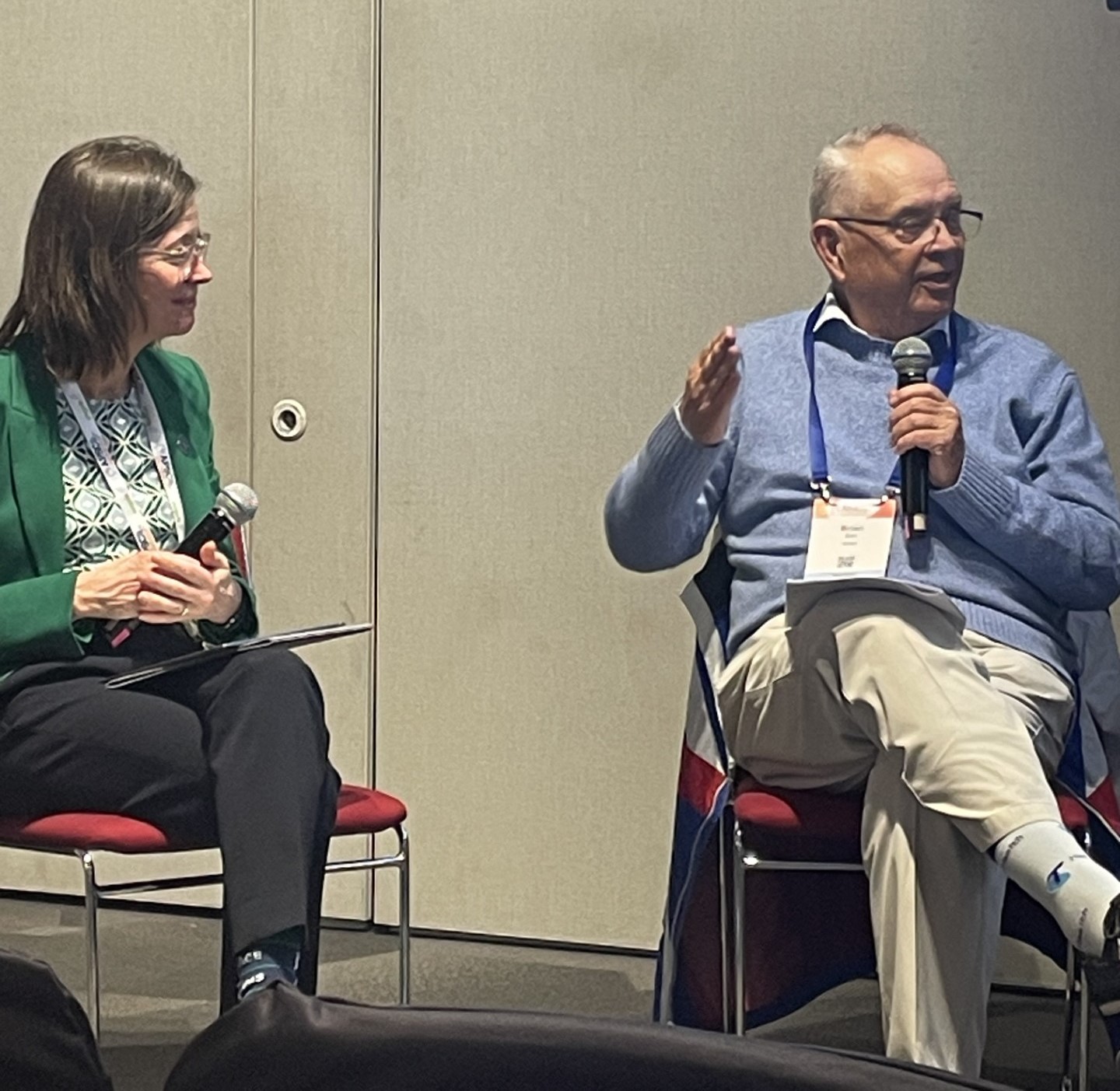
Brian A Beh - A Grateful Stroke Survivor.