My stroke gave me the drive to take control of my life

By Mitch Fenton
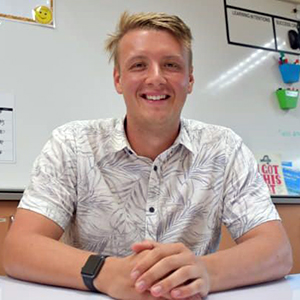
In the summer of 2012, I was looking forward to another break from school. My days would be full of sport, seeing friends and the everyday activities of your regular 16-year-old boy – or so I thought. My body had other plans.
I had just come off the treadmill and quickly felt a pounding headache. I began to lose all feeling in my left side. My speech was unusual, and my face dropped. I was having a stroke.
There are lots of moments in my story I now look back on and realise just how lucky I was. I did, however, not feel lucky at the time. My aunt was a nurse and was able to tell my mum about the urgency of getting me to hospital. We lived in regional Victoria, and I was flown to the Royal Children's hospital in Melbourne for treatment. It was the best place I could be.
Having a stroke as a teenager was more confusing than any experience I had to date. I was about to embark on my VCE but my whole world had been turned upside down. While all of my friends spent their weekends partying and playing sports, I was doing a grueling rehabilitation program in an aged care home, an hour away from my house. Barely a quarter of the age of my fellow residents, my future seemed blurry. It was hard to picture what my life would look like. The experience was isolating, and I had no one like me to tell me everything was going to be okay.
The front of my brain experienced the most damage, impacting my ability to retain information, regulate my emotions and filter the thoughts in my mind. I still battle with the invisible side effects of stroke today.
However, I am now 25 years old, and I have made a good recovery overall. I believe this is largely due to receiving stroke treatment quickly. I live a full life, teach full time and give back to young stroke survivors. Despite my stroke being the biggest challenge, I have ever faced, it gave me the drive and motivation I needed to take back control of my life I felt had been stolen from me. For that reason, I wouldn’t change a thing. Now I am passionate about raising awareness about the challenges and triumphs regional and younger stroke survivors face. There should be rehabilitation facilities in regional parts of the country that can cater for young stroke survivors.
In the lead up to the fed election Stroke Foundation are advocating for 10-mil investment into our StrokeConnect Navigator Program, which will provide individualised and equitable support for all people after a stroke.