Talking FATIGUE

Diana
Diana on Tuesday, May 29 2018
13 Comments


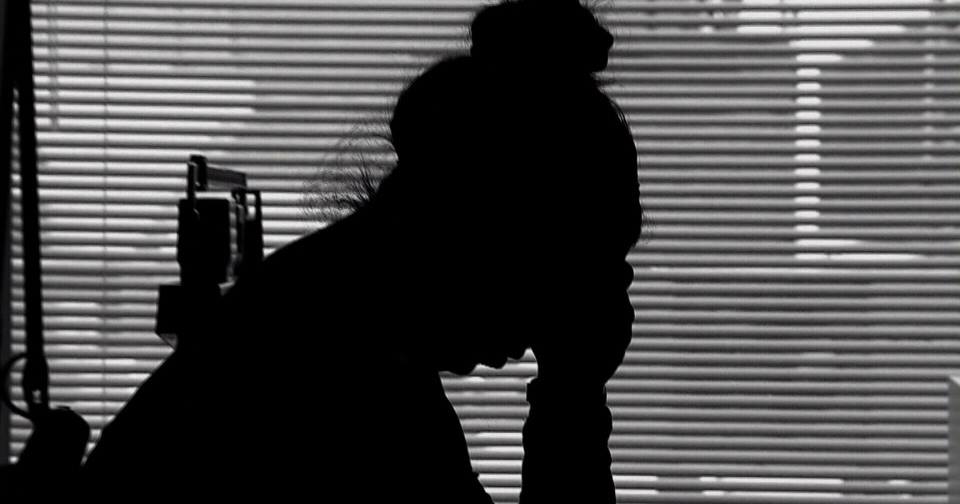
Interesting new research funded by Stroke Association UK into fatigue after stroke has found that almost half of people who experience a stroke suffer from fatigue in the early days of their recovery.


Research also shows that 40% of people report that fatigue is their worst, or one of their worst symptoms. We talk a lot about fatigue in this community, and we’ve produced some resources that may help you manage it. 


1. Fatigue podcast.

2. Practical ways to reduce fatigue from Karen B


13 Responses

Hi Di,


As you know I find the Facebook Page by Dr. Sullivan - I CARE FOR YOUR BRAIN, DR SULLIVAN

a wonderful source of knowledge about all things stroke.  Breaking information down into very human responses.


Dr. Sullivan has recently included a post on Fatigue which was really informative.


3


REASONS FOR POST-STROKE FATIGUE


by Karen D. Sullivan, PhD, ABPP


There are three reasons post-stroke fatigue occurs:


1


Your immune system is working overtime to heal your brain at the cellular level: When you sleep, your immune system can focus more on its job of clearing out the debris from the stroke. When we are awake, the immune system has to work

on doing other things, like fighting against germs to which we are exposed. When we sleep, the immune system can work most efficiently. Remember, the driving force of our DNA is survival. The body and spirit are hardwired to get back to homeostasis or baseline. The brain is very aware that “something is wrong” and our best defense at getting us back to “normal” is our immune system. Scavenger cells called “microglia” attack damaged areas to remove foreign particles and clear away debris left by stroke damage, and stem cells are called in to help grow new cells.

This process happens months after a stroke and would be expected to last longer in those strokes that involved bleeding.


2


You are spending more energy doing things now: Everyday activities may take more energy than normal after a stroke, so you will get tired

more quickly and need extra rest to re-energize.


3


You are processing emotional trauma: A stroke is an emotionally traumatic event. One of the functions of sleep is

to review recent life experiences against the backdrop of our whole lives. Two parts of the brain, the frontal lobes and hippocampus, literally compare notes all night long contrasting our history against our recent past until we figure out how to make sense

of what has happened to us. This is especially true when a life experience involves anxiety and fear. Sleep is like free therapy!


www.ICFYB.com


I love that the sentence, "Remember, the driving force of our DNA is survival. The body and spirit are hardwired to get back to homeostasis or baseline. The brain is very aware that “something is wrong” and our best defense at getting us back to “normal” is our immune system." is included. 


It is so relevant to how I look back at my own responses when I first had my stroke.  I absolutely felt thrust into survival mode and every move I made was with survival in mind.


Dr Sullivan delivers some powerful work!!


Sue



Thanks so much for sharing this...I had a stroke 7 weeks ago at 42 and am still working things out whilst trying to understand whats happening to me post the event....including fatigue.  This makes so much sense!


Appreciate it


Cheers


Paul

Hi Paul,


You may like to get in touch with StrokeLine 1800 787 653.


It is a free phone support service where you can ask stroke care health professionals for advice and info.


You can aslo ask questions in this thread.


Diana 


I HA D MY STROKE 4 YEARS AGO & HAVE ALSO GOT APHASIA WITH FOREIGN ACCENT SYNDROME - BUMMER!- I'M TIRED ALL THE TIME , FATGUE AND I DON'T GET ANYHTING DONE

VERY FRUNTING

Hi Elaine,


I'm sorry to hear about your stroke and the after affects you are managing.  Being tired all the time is really debilitating.  


Would you like to tell me a bit about yourself?  I know after my stroke I still very much felt like I wanted some to acknowledge me as a person, not just someone who had a stroke.


Sue :-)

My stroke was nearly 3 years ago and am constantly fatigued. None of the health professionals I've seen (including the ones from my rehab) seem to have any understanding of the effects caused by strokes.  I keep getting told it's depression which can be fixed with pills (that just make me feel worse) and some pyschiatric sessions (where they use standard textbook methods for general depression).  It becomes disheartening when you are pushing yourself to cope and you can't get any local support.

Hi Sonya,


Sorry to hear that fatigue is really making it hard to enjoy life, I've got no quick fixes or anything like that.  I can only share what has helped me in the past - it is 25 years since my stroke.


I practice mindfulness meditation - it's been many years since I first started this.

I listen to classical music

I looked and searched all around for anything which I felt made a difference to me,  and I hung onto that, returning in times of need

I wrote - not necessarily about the tiredness, I just wrote.

I exercised.

I ate as well as I could at the time.

I slept when tired, pushed through when I could.

I self monitored all of this as best I could.

I looked for positive stuff in the midst of acknowledging life was very tough.

I imagined that one day I would feel well again.


I was wondering if you had the information of what type of stroke you had and which part of your brain was affected?


Warm regards

Sue


1
Loading reply form...