A world-first study shows smartphones can improve detection rate of Atrial Fibrillation in patients following a stroke.

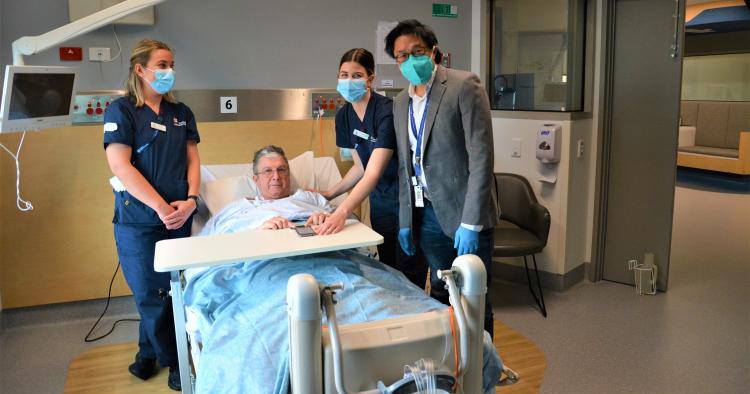
A world-first multi-centre international study (SPOT-AF) led by The Royal Melbourne Hospital (RMH) has found smartphone monitoring of patients with stroke is effective in detecting atrial fibrillation (AF).
AF is a dangerous type of arrhythmia that causes the heart to beat irregularly and inefficiently. This significantly increases the risk of blood clots forming which can break away and travel to the brain causing devastating stroke.
The multi-centre study was run in collaboration with Professor Ben Freedman, Group Leader of the Heart Rhythm & Stroke Prevention Group at The Heart Research Institute who pioneered the use of this new technology for AF detection.
The study monitored more than 1000 patients over a period of three years, with sites spanning around Australia, Hong Kong and China. The outcomes of this research will likely change clinical guidelines.
The accessible technology will allow better data and monitoring of AF for regional patients, which will lead to better treatment and early detection will minimise the impact of stroke.