A game changer - miniature CT scanners

Diana on Wednesday, June 12 2024
0 Comments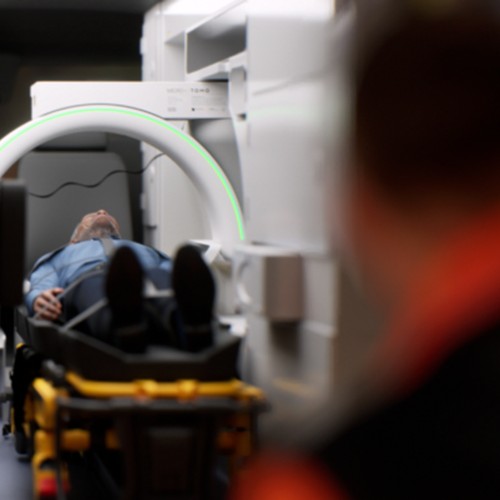
When a stroke strikes, up to 1.9 million brain cells die per minute, and the clock for best treatment begins its countdown. As minutes pass, the ‘golden hours’ to achieve the best outcomes for a patient fly by.
CT scanners are large, expensive and difficult to run, and people need to be transported to where the machine is to get a diagnostic image. Sometimes, they need to be transferred again to a hospital with surgical capabilities. Meanwhile, the clock is ticking.
But things are changing. Right now, there are CTs being designed to fit into a normal ambulance or aircraft. This will build the capacity to diagnose people quicker, no matter where they live, allowing for faster treatment and care. For more.