Hi Bill,
Great question and discussion to raise in this forum. What you eat and drink can hugely influence fatigue and energy levels. This is something that we discuss frequently on StrokeLine as people (not just stroke survivors) are often unaware how large a role nutrition plays on our health and well being. We really are what we eat.
Modifying what you eat and drink can absolutely lead to changes in energy and stress levels, mood, improved sleep and digestive function.
Each person is unique and so one way of eating doesn't necessarily work for everyone, however there are some key recommendations:
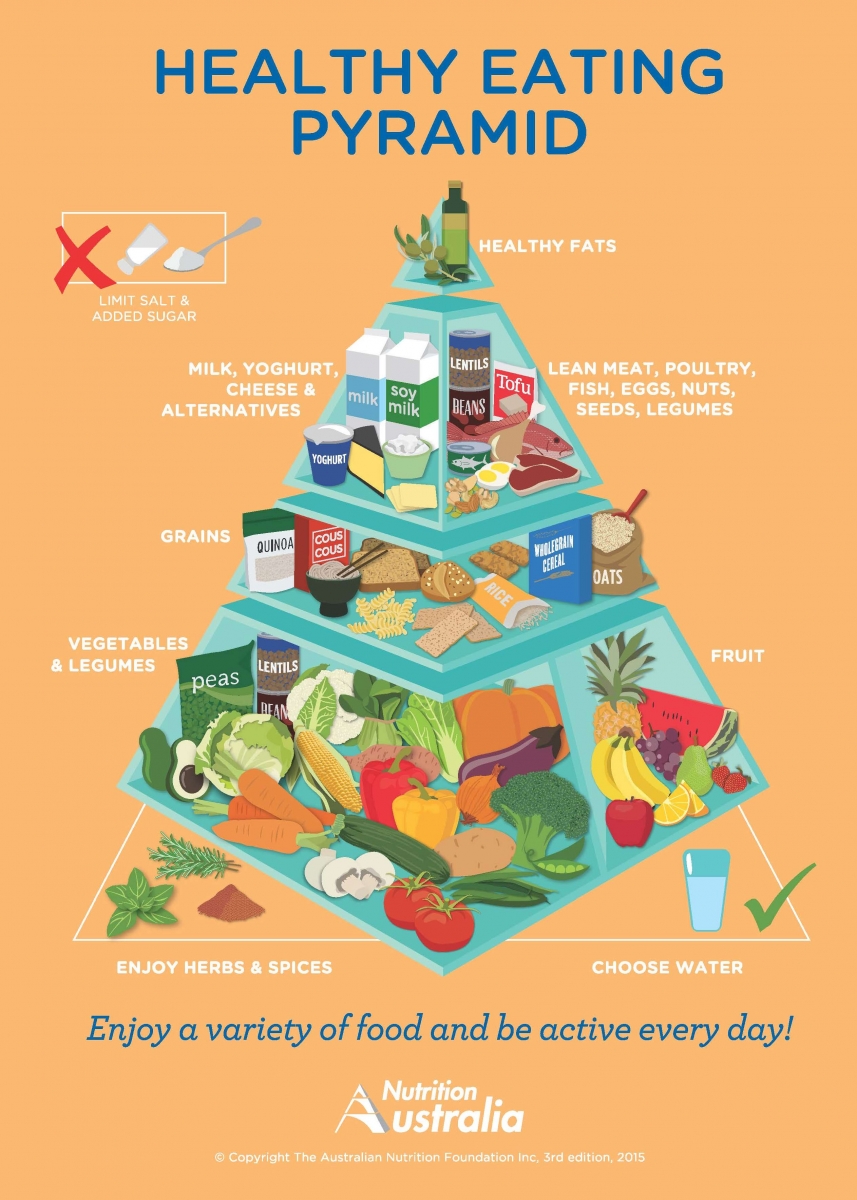
1. Eat mostly plants of a variety of colours (fruit and vegetables).
2. Moderate amounts of protein, whole grains and small amounts of good fats (avocado, olive oil).
3. Minimise your intake of processed foods (anything in a packet, jar or "fast food") that often include added sugars, salts and nasty preservatives. My suggestion is to avoid the inside aisles of the supermarket - stick to the outsides and avoid anything with more than 3-4 ingredients or ingredients you don't know or understand.
4. Drink adequate amounts of water - stay well hydrated! If you don't like water try adding some fresh lime or lemon slices or sparkling mineral water and ice to jazz it up. Be mindful if you have a heart condition and you're on fluid restrictions.
5. Some people have good results off gluten and dairy if they have sensitivities. Seeing a qualified dietitian or nutritionist is very helpful to help work out the best way of eating for you. Listening to your body is important. For example, if you eat something and notice a stomach ache immediately afterwards this isn't normal so consider what might be triggering the tummy ache. If you drink a lot of sugary soft drink or coffee, you could try going off it for a few weeks and notice the brain fog lift.
6. Reduce alcohol intake. The recommendation is no more than 2 standard drinks per day. I think less than this is even better after stroke. You want to give the brain optimal chances of recovery and facilitate healing.
Stroke survivors also need to check that there aren't any foods to avoid due to medication you're on. Warfarin for example has some restrictions.
Our bodies need to be nourished at a cellular level - just like we water our plants and fertilise them if needed, give them the right amount of sunlight etc. Our bodies are the same. Getting enough nutrients in your diet is very important in recovery and brain function. Getting enough sleep is also very important in managing fatigue. I highly recommend mindfulness or meditation in managing fatigue as well.
I hope this helps. Please feel free to share what has worked for you. I'm sure other survivors would be very interested. The new Healthy Eating Pyramid below is a good guide.
As Hippocrates said "Let food be thy medicine and medicine be thy food."
Thanks for getting this important conversation started, nutrition is not only essential to prevent future strokes (manage blood pressure and cholesterol) but also to aid recovery.
Simone (Occupational Therapist - StrokeLine 1800 787 653)