Do you garden after stroke

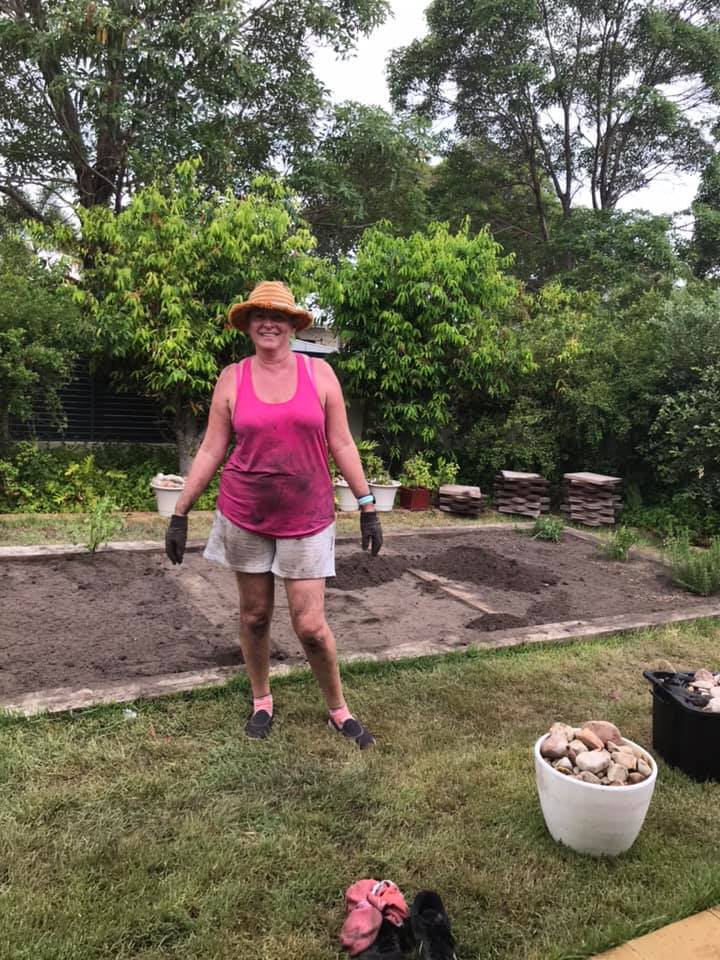
Gardening brings you closer to nature and is a relaxing way to begin your morning or evening.
In caring for and nurturing your garden, you will build up strength, stamina and improve your balance, movement and coordination.
A blooming flower garden is something to behold. There is also great satisfaction in growing your own food in a vegetable garden.
Come harvest time, you will have lots of fresh and delicious vegetables to eat and share with family and friends.
But there are special challenges to gardening after a stroke. These tips will make it easier for you to grow, nurture and enjoy a backyard garden.
Warm up with gentle exercises. Before working in your garden begin with some gentle stretches. Ask your occupational therapist for recommendations.
Make your garden easier to manage by altering the layout. Widening and paving garden paths will make them easier to navigate with a wheelchair or walker. Use no-slip and no-glare paving materials and make sure the paths are laid evenly. Grouping together pots or containers will make them easier to water.
Raise the beds of your garden. Elevate the beds of your garden so it’s easy to reach from a seated position in a wheelchair. You may also wish to work from a bench, stool or sturdy garden chair.
Extend your reach with long-handled tools. Use adjustable, long-handled gardening tools for digging, pruning and weeding your garden. Adding a basket or tray attachment to a wheelchair is a convenient way to carry your gardening tools out to your garden.
Use a lightweight and easy-to-grip watering can. A round watering can may be more challenging to grip and more difficult to pour. Choose a watering can with flat sides that is lightweight and easy to grip when watering your garden. Water your plants in the evening when there is less evaporation.
Avoid straining hands, fingers and arms. Even a few minutes of gardening each day will exercise your hands, fingers and arms. Take frequent breaks and switch up gardening activities.
Keep a gardening journal. Keep track of your gardening activities, ideas and plans in a three-ring binder or with notes on your smartphone. Write a daily or weekly gardening journal that you can review at the end of each growing season.
First published in SmartStrokes