Urgent stroke care could take to the sky if plans for a world-first air ambulance are supported

Urgent stroke care could take to the sky if plans for a world-first air ambulance are supported, in a revolutionary bid to make lifesaving treatment available Australia wide.
It means patients across the country could be reached and the best treatment determined in record time.
The project is being pushed by the Australian Stroke Alliance, a collaboration of more than 30 bodies including Royal Melbourne Hospital, Stroke Foundation and the Royal Flying Doctor Service.
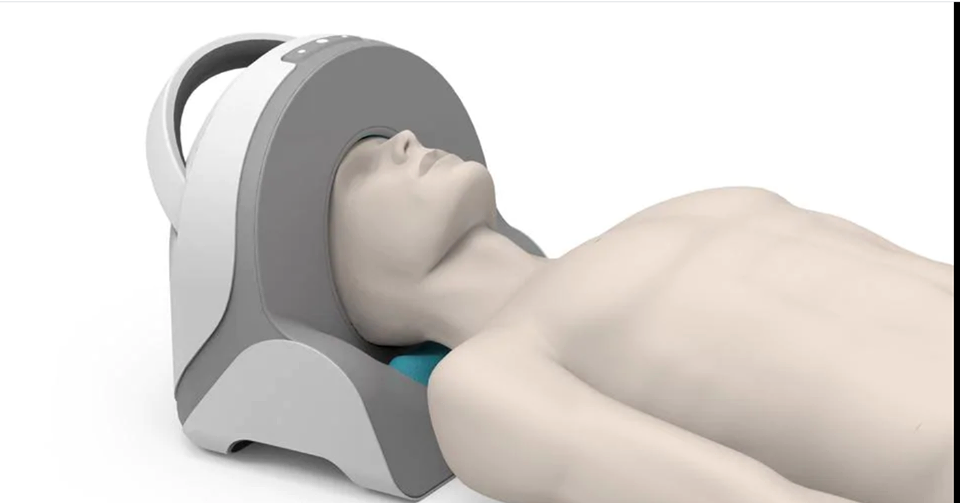
It hinges on more than $60m in government funding, which would enable a lightweight CT brain scanner, in the form of a headset, to be developed for road and air ambulances.
The project is the vision of Stephen Davis and Geoffrey Donnan, who said mobile stroke units (MSU) greatly improved patient outcomes.
“The way forward is to bring the hospital to the patients,” said Professor Davis, who is the Royal Melbourne Hospital’s Brain Centre director. “Not waiting until someone gets to hospital but treating them on the spot, outside their home.
“Stroke is now a highly treatable condition but the treatment is time dependent.”
It comes after the successful rollout of a road MSU in Melbourne three years ago — one of two in the southern hemisphere.
The best chance of stroke recovery is treatment within the “golden hour”. At present, 3 per cent of patients in regional areas receive that care, compared with 77 per cent in major cities.
Mick Stephenson, the executive director of clinical operations at Ambulance Victoria, said the results of the MSUs speak for themselves.
“It’s the difference between being disabled and not, often,” Professor Stephenson said. “(But) there are still people who are too remote and who don’t get that care in time.”
Patients from rural Victoria could receive urgent stroke care in record time under a new bid to make this revolutionary and lifesaving treatment available Australia-wide.
If given the go-ahead, engineers would have to condense a three-tonne CT scanner to a 30kg headset. Via Herald Sun (Photo - artist impression), in a revolutionary bid to make lifesaving treatment available Australia wide.